Why Choose Acoustic Gypsum Board for Soundproofing Solutions?
In today's world, soundproofing is essential for both comfort and privacy. Noise pollution can disrupt our lives. Finding effective solutions is crucial. Acoustic Gypsum Board has gained popularity in recent years. It offers a reliable way to minimize sound transfer between rooms.
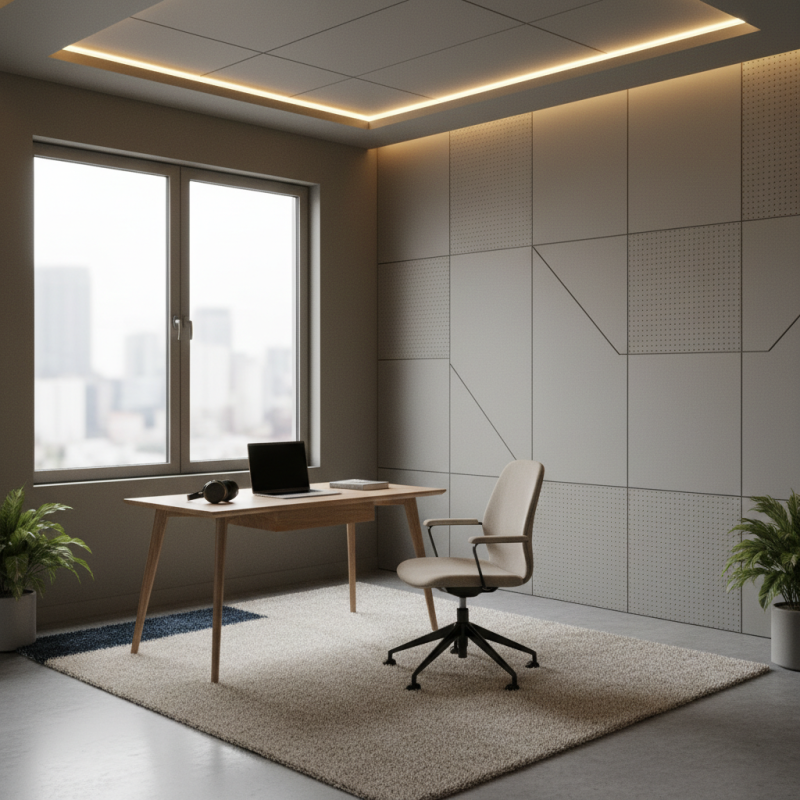
The unique composition of Acoustic Gypsum Board makes it an excellent choice. It absorbs sound rather than simply reflecting it. This quality helps create quieter spaces in homes and offices. Many people struggle to achieve the desired level of silence. The right materials matter. Acoustic Gypsum Board can help bridge that gap.
However, it’s important to reflect on its limitations. Installation can be tricky, and it may not fit all budgets. Proper installation is key to effectiveness. Users must weigh the pros and cons before choosing. Acoustic Gypsum Board might be a game-changer, but understanding its role is essential for optimal results.
Benefits of Acoustic Gypsum Board in Soundproofing Applications
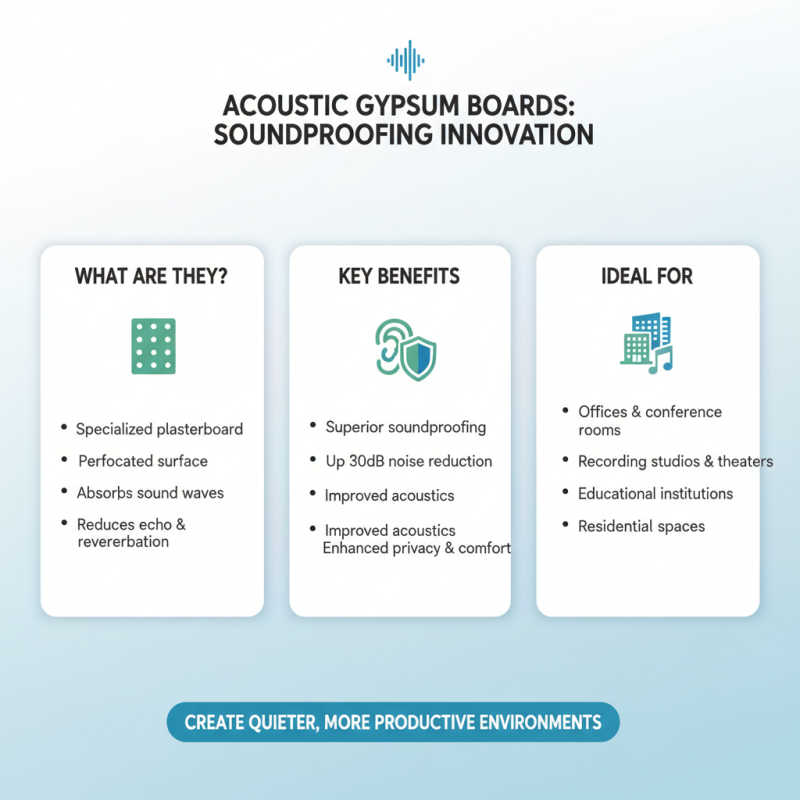
Acoustic gypsum board is gaining popularity in soundproofing solutions. Its unique properties make it effective in controlling sound transmission. Research shows that well-designed acoustic systems can reduce noise levels by up to 30 decibels. This significant reduction is crucial in environments like offices and recording studios.
The benefits of acoustic gypsum board extend beyond noise reduction. It is lightweight and easy to install, making it a favorite among contractors. Additionally, it is environmentally friendly. Many boards are made from recycled materials, contributing to sustainable construction practices. According to industry data, using such materials can improve indoor air quality.
However, it’s essential to consider limitations. Some users report that gypsum board doesn’t perform as well in extreme soundproofing scenarios. Depending on the application, it might need additional treatments or acoustic insulation. Continual assessment of its effectiveness in different settings is necessary. Overall, acoustic gypsum board provides a practical balance between sound control and ease of use.
Comparison of Acoustic Gypsum Board with Traditional Soundproofing Materials
When considering soundproofing materials, acoustic gypsum board often comes up as a leading choice. It provides a unique blend of sound absorption and insulation capabilities. Unlike traditional materials, acoustic gypsum boards are designed specifically for reducing noise. They can significantly lower sound transmission between rooms. This feature makes them ideal for offices and homes alike.
Traditional soundproofing materials, like mass-loaded vinyl or fiberglass, can be cumbersome. They often require additional framing and support. Acoustic gypsum boards, however, integrate seamlessly into existing structures. They can be installed like regular drywall, making the process simpler. Yet, there are challenges. For example, the effectiveness can vary based on thickness and installation technique. It requires precision to achieve optimal results.
Some may find acoustic gypsum boards less versatile than bulkier materials. They perform well in specific settings but may not suit every scenario. For example, in spaces with high-frequency noise, their performance can be hit or miss. Additionally, while they control sound transmission, they may not address airborne noise as effectively as rigid barriers. Users should assess their specific needs to find the best fit.
Comparison of Soundproofing Effectiveness
Factors to Consider When Choosing Acoustic Gypsum Board
When choosing acoustic gypsum board for soundproofing, there are several key factors to consider. The thickness of the board plays a crucial role in sound insulation. Thicker boards typically provide better soundproofing. It is also essential to assess the material density. Denser boards tend to absorb sound waves more effectively. Look for boards specifically designed for acoustic performance.
Another important aspect is installation. Proper installation can significantly enhance the board's effectiveness. Gaps and seams should be minimized to prevent sound leakage. Consider the room's layout. Irregular shapes may require customized solutions. Aesthetic choices should not be overlooked. The look of the gypsum board should complement the interior design.
Cost is often a concern. While some boards may be cheaper, they might not offer the same performance. Cheaper materials can lead to disappointing results. Durability is another point for reflection. Acoustic boards should withstand wear over time. Do they meet your long-term needs? Spend time researching before making a decision. A wise investment today can save future regrets.
Why Choose Acoustic Gypsum Board for Soundproofing Solutions? - Factors to Consider When Choosing Acoustic Gypsum Board
| Factors |
Description |
Importance |
| Sound Absorption Coefficient |
Measures how effective the board is in absorbing sound. |
High |
| Thickness |
Thicker boards generally provide better soundproofing. |
Medium |
| Installation Ease |
Consider if the installation process is straightforward. |
High |
| Durability |
The lifespan and resistance to damage of the board. |
High |
| Aesthetics |
Visual appeal and finish options available. |
Medium |
| Cost |
Affordability in relation to budget considerations. |
High |
Installation Techniques for Optimal Soundproofing with Acoustic Gypsum Board
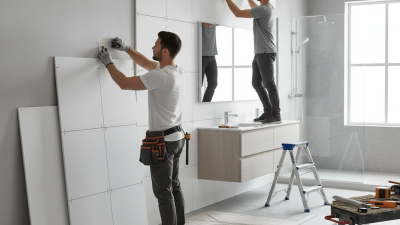
When installing acoustic gypsum board, attention to detail is crucial. Begin by ensuring the surface is clean and smooth. This will help the adhesive bond better. Use a level to make precise cuts and fit the board snugly. Gaps can cause sound leaks. This is a common mistake that often goes unnoticed. Consider using resilient channels for added support. They help decouple the board from the wall, enhancing soundproofing.
Once the boards are in place, apply acoustic sealant to all joints. This is often overlooked, yet it's essential for effective sound isolation. Even small cracks can allow sound to pass through. The finishing touches matter. Sand the seams to create a seamless appearance. This may take extra time, but it’s worth it for both aesthetics and performance.
Pay attention to room corners. These areas often require additional treatment. Use corner beads or specialized acoustic panels designed for these spaces. Many forget about corners. This oversight can compromise overall soundproofing effectiveness. Regularly evaluate your installation techniques. Learning from past projects can lead to better outcomes in future installations.
Maintenance and Longevity of Acoustic Gypsum Board in Soundproofing Solutions
Acoustic gypsum board offers exceptional soundproofing solutions, but its maintenance is crucial for longevity. Regular inspections ensure that any moisture damage is addressed quickly. Industry reports suggest that improperly maintained boards can lose their soundproofing effectiveness by up to 30%. Over time, dirt and grime accumulate, diminishing both acoustical performance and aesthetics.
To keep acoustic gypsum boards in top condition, routine cleaning with a damp cloth is recommended. This simple step can prevent long-term staining and deterioration. However, many overlook this essential upkeep. Sealing joints and edges is also vital to avoid sound leakage. Neglect in these areas can lead to increased noise levels and frustration.
Some users note that even with maintenance, the material may not perform as expected. Environmental factors often play a role in the board’s longevity. High humidity can weaken the board, making it less effective. Research indicates that boards installed in humid environments may require replacement every 5-7 years. Therefore, one must evaluate the installation location carefully. Making informed decisions regarding maintenance and environment helps ensure the best performance from acoustic gypsum boards.