Top Benefits of Using SPC Wall Panels for Your Next Interior Project?
SPC Wall Panels have gained significant attention in the interior design industry. According to a report by MarketsandMarkets, the global market for SPC materials is projected to reach $2.2 billion by 2026. This surge reflects an increasing demand for sustainable and durable building solutions.
SPC Wall Panels offer a unique combination of benefits, making them ideal for various projects. Their construction typically includes a rigid core made from stone polymer composite, which provides impressive durability. Homeowners and designers are drawn to these panels due to their ease of installation and low maintenance requirements.
Despite these advantages, selecting the right SPC Wall Panel can be challenging. Numerous options exist, each with distinct features and aesthetics. Evaluating the right fit for specific spaces is crucial. Designers must consider factors like style, budget, and environmental impact. Ultimately, the potential of SPC Wall Panels to transform interiors is clear, yet careful thought is essential when choosing the perfect product.
Introduction to SPC Wall Panels
SPC wall panels are a popular choice for interior design projects. They offer a unique blend of durability and style. Made of stone plastic composite, these panels are waterproof and resistant to wear. According to a recent market analysis, the demand for SPC wall panels is expected to grow by over 20% annually. This reflects their increasing popularity in various applications, from residential homes to commercial spaces.
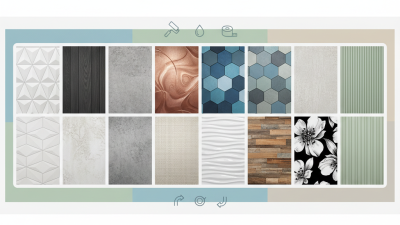
When considering SPC wall panels, it’s crucial to assess their aesthetic appeal. They come in various textures and colors, mimicking natural materials. However, some designs may be too glossy or artificial. Selecting a finish that complements your décor can be challenging but rewarding.
Tip: Always request samples to see how the panels look in your space.
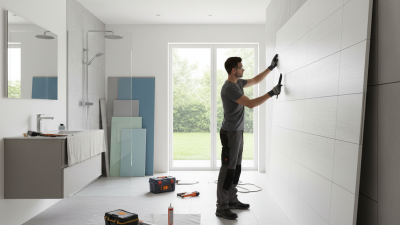
Installation is another point of consideration. While SPC panels are easier to install than traditional materials, improper installation can lead to issues. Make sure to follow guidelines closely. Some installations may require professional help, especially in high-traffic areas.
Tip: Measure your space accurately to avoid excess waste.
Choosing the right SPC wall panels can elevate your project. Yet, balancing cost and quality is essential. A lower price might mean compromises in material quality or design options.
Advantages of Using SPC Wall Panels in Interior Design
SPC wall panels have garnered attention in recent interior design trends. Their versatility makes them an excellent choice for various spaces. You can install them in living rooms, offices, or commercial areas with ease. One of their main advantages is durability. They resist scratches, dents, and moisture, making them ideal for high-traffic areas.
Installation is relatively straightforward, saving time and labor costs. Many homeowners appreciate that SPC panels do not require extensive preparation before installation. This ease can be a double-edged sword, though. Some may overlook surface imperfections, assuming the panels will cover them. Moreover, the variety of designs can lead to inconsistency in aesthetic choices.
Another notable benefit is low maintenance. Cleaning requires only occasional wiping, which complements busy lifestyles. However, individuals should still consider the long-term impact of their color choices. Lighter colors may show stains more easily, demanding extra attention. Balancing aesthetics and functionality is key in making the right choice for any room.
Durability and Maintenance Benefits of SPC Wall Panels
SPC wall panels offer impressive durability for interior spaces. They resist scratches, dents, and moisture. This makes them ideal for high-traffic areas. You won’t worry about everyday wear and tear easily damaging them. If you have children or pets, these panels stand up well to accidents. Imagine not having to stress over discoloration or stains.
Maintenance is straightforward with SPC wall panels. Their non-porous surface repels dirt and allergens. A simple wipe with a damp cloth keeps them looking new. There’s no need for extensive cleaning products that can be harsh. However, occasional deep cleaning can help maintain their appearance. Some find it challenging to remember this step, leading to premature wear.
While SPC panels are durable, they aren't invincible. They can still suffer from impacts if hit hard enough. Regular inspections help catch any minor damage early. Reflecting on their performance, one might realize that neglecting these checks can lead to greater issues. Investing time in maintenance pays off in the long run, keeping these panels looking pristine.
Top Benefits of Using SPC Wall Panels for Your Next Interior Project
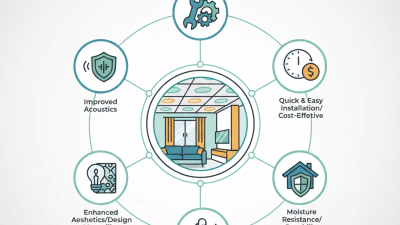
This chart illustrates the key benefits of using SPC Wall Panels in interior projects, focusing on durability and maintenance aspects.
Aesthetic Versatility of SPC Wall Panels for Various Spaces
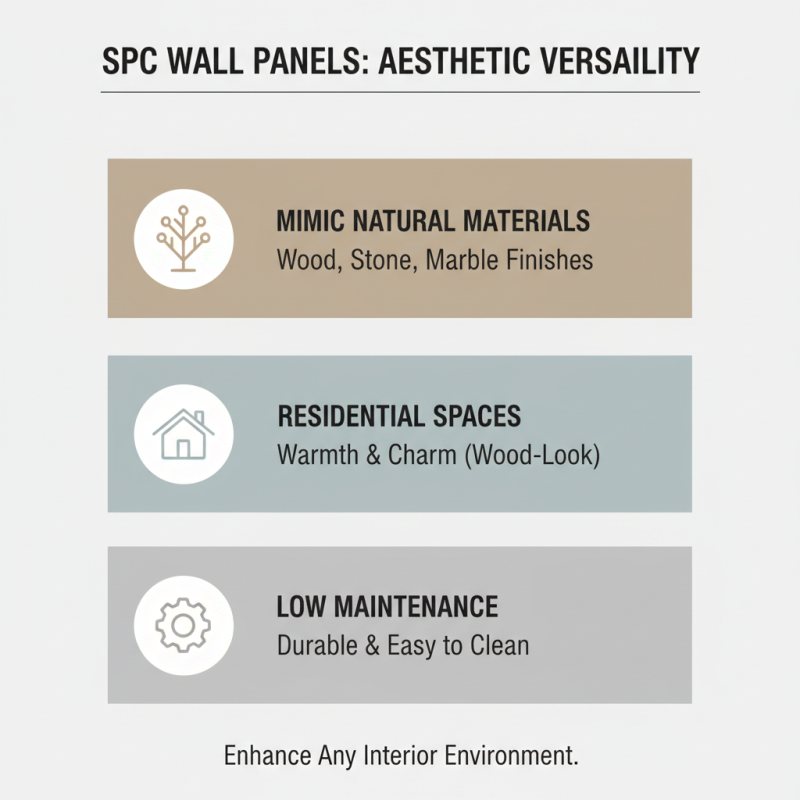
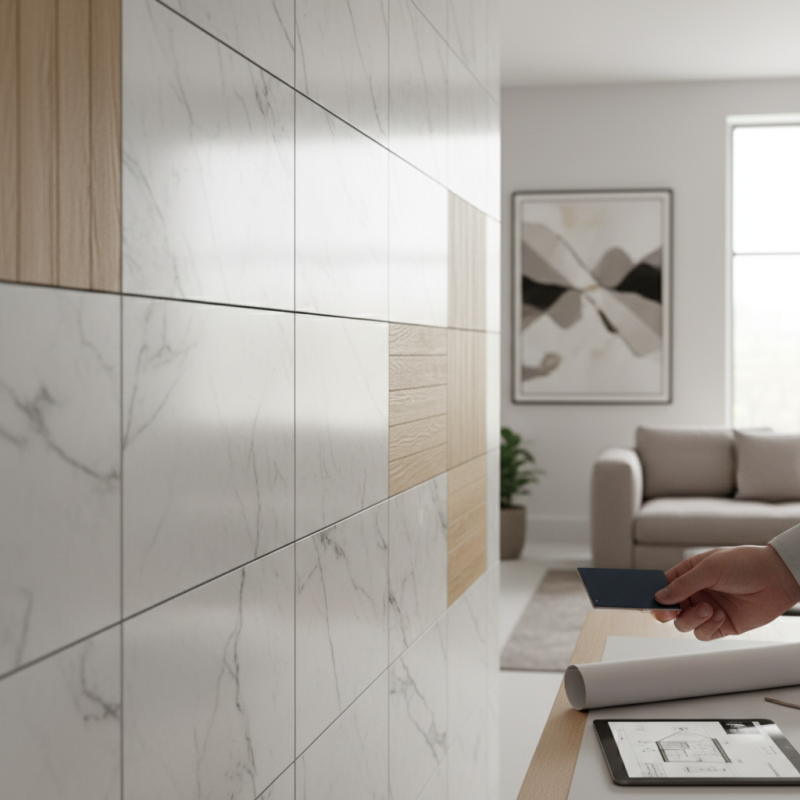
SPC wall panels offer incredible aesthetic versatility, making them suitable for a variety of interior spaces. Designed to mimic natural materials, these panels come in stunning finishes that can enhance any environment. For example, a report by the National Wood Flooring Association indicates that wood-look finishes are popular in residential areas, delivering warmth and charm without the maintenance issues of actual wood.
These panels can easily adapt to different styles. They work well in modern offices, cozy homes, and even trendy cafes. The ability to create unique designs is a significant draw for interior designers. A study from the International Surface Fabricators Association reveals that 75% of designers prefer materials that provide flexibility in style and functionality. However, some may find that achieving a specific look can be tricky, requiring careful selection and planning.
Moreover, growth in the market for SPC panels can lead to choices that feel overwhelming. While many options exist, the decision-making process may not always be straightforward. Some users report challenges in matching the right panel with existing decor. Despite this, the potential for beauty and application is vast. Successful projects often come down to thoughtful consideration and an eye for detail.
Environmental Considerations in Using SPC Wall Panels
When considering SPC wall panels for your next interior project, environmental factors play a vital role. SPC (Stone Plastic Composite) is made from recycled materials. This reduces landfill waste. It’s also a more sustainable option compared to traditional wall coverings. Many homeowners are looking for ways to be eco-friendly. SPC panels fit that bill perfectly.
Tips: Always check the product’s certifications. Look for labels indicating recycled content or sustainability. This ensures you’re making a responsible choice.
The manufacturing process of SPC is often less harmful than many other materials. Many companies focus on reducing emissions during production. However, not every manufacturer adheres to these practices. It’s wise to research and choose reliable sources.
Tips: Ask about the sourcing of materials. Transparency can signal a commitment to sustainability. Every little detail matters in the big picture of environmental impact. Be curious and don't hesitate to dig deeper.
Top Benefits of Using SPC Wall Panels for Your Next Interior Project
| Benefit |
Description |
Environmental Considerations |
| Durability |
SPC wall panels are highly resistant to wear, impact, and moisture, ensuring longevity in various environments. |
Made from environmentally friendly materials that do not emit harmful substances. |
| Aesthetic Variety |
Available in numerous designs and finishes to suit different interior styles. |
Sustainable sourcing contributes to eco-friendly interior design. |
| Easy Installation |
Lightweight panels make for quick and easy installation, reducing labor costs. |
Less material waste due to efficient cutting and fitting processes. |
| Low Maintenance |
Require minimal upkeep, saving time and resources over their lifespan. |
Non-toxic cleaners can be used, reducing environmental impact. |
| Cost-Effective |
Competitive pricing and reduced installation costs make SPC panels budget-friendly. |
Long-lasting materials reduce the frequency of replacements and overall waste. |