Discover the Benefits of WPC Wall Panels for Your 2025 Home Design Trends
As home design trends evolve, the demand for innovative and sustainable materials has surged, making WPC Wall Panels a popular choice among architects and interior designers. According to industry expert Dr. Emily Roberts, a leading voice in sustainable building materials, "WPC Wall Panels offer a unique combination of durability and aesthetic appeal that aligns perfectly with modern design principles." As we look towards 2025, these panels are not only transforming the way we think about home exteriors and interiors but also addressing the growing need for eco-friendly solutions.
WPC, or Wood-Plastic Composite, blends natural wood fibers with recycled plastics to create a product that is resilient, lightweight, and versatile. This innovative material can enhance the beauty of any living space while providing exceptional performance against weather elements and wear over time. Dr. Roberts emphasizes, "By incorporating WPC Wall Panels, homeowners can enjoy the look of natural wood without compromising on durability or maintenance."
In the upcoming years, WPC Wall Panels are set to play a pivotal role in shaping home aesthetics and functionality, making them a key element in the sustainable design movement. Their ability to mimic the appearance of traditional materials while providing modern benefits positions them as a standout choice in the realm of home renovation and construction. As we explore the benefits of WPC Wall Panels, it becomes clear that they are not just a trend, but a foundational element for the future of home design.
Understanding WPC Wall Panels: Composition and Characteristics
WPC (Wood Plastic Composite) wall panels are increasingly gaining traction in modern home design due to their unique composition and desirable characteristics. Comprised of a blend of wood fibers and recycled plastic, WPC panels offer an eco-friendly alternative to traditional building materials. According to a report by Smithers Pira, the global WPC market is expected to grow at a CAGR of 7.5% from 2020 to 2025, highlighting the rising popularity of these sustainable materials. The combination of wood and plastic harnesses the durability of plastics while retaining the aesthetic appeal of natural wood, making WPC panels a versatile choice for contemporary interiors.
The characteristics of WPC wall panels further enhance their appeal. They are resistant to moisture, insects, and UV rays, which significantly reduces maintenance costs over time. A study by Freedonia Group indicates that the demand for low-maintenance building materials will drive a significant portion of the construction market, with materials like WPC projected to be at the forefront of this trend. Additionally, WPC panels are available in various colors and finishes, allowing homeowners to achieve their desired look without compromising on functionality. With their combined sustainability, durability, and design flexibility, WPC wall panels are set to become a staple in the homes of 2025 and beyond.
Key Advantages of WPC Wall Panels in Modern Home Design
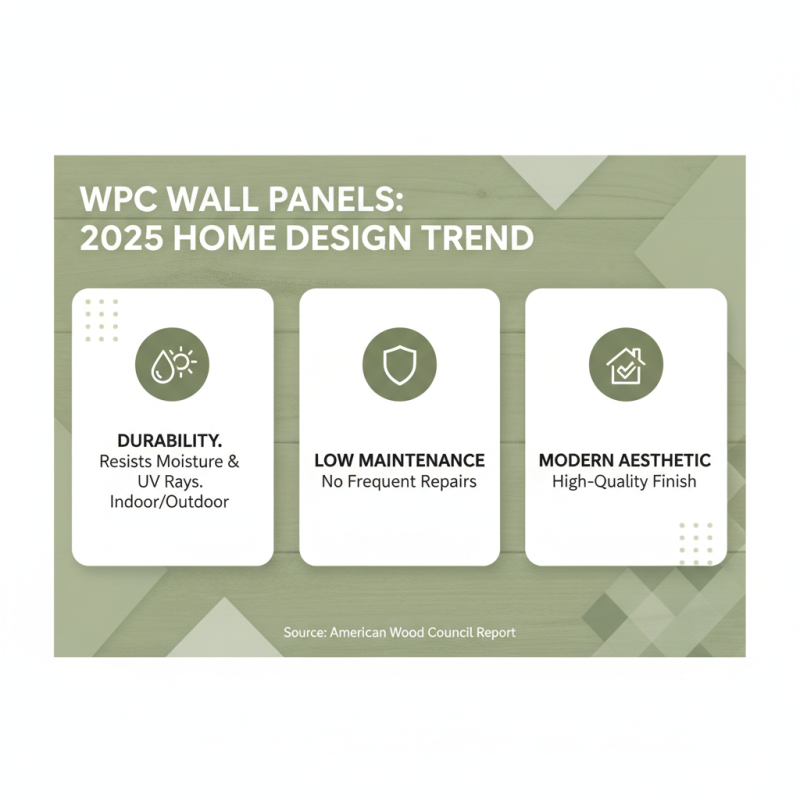
WPC (Wood Plastic Composite) wall panels are emerging as a front-runner in modern home design, aligning beautifully with the trends anticipated for 2025. One of the key advantages of WPC wall panels is their durability. According to a report by the American Wood Council, WPC materials have been shown to withstand harsh conditions, including moisture and UV rays, making them ideal for both indoor and outdoor applications. This durability minimizes maintenance costs, allowing homeowners to enjoy a high-quality aesthetic without the worry of frequent repairs.
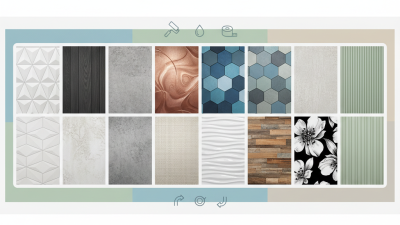
In addition to durability, WPC wall panels offer impressive aesthetic versatility. They come in a variety of finishes and textures, mimicking the look of natural wood while providing the added benefits of plastic composite. A survey by the National Association of Home Builders indicated that more than 70% of homeowners prefer materials that provide both style and functionality, and WPC panels excel in this regard. With the rising focus on eco-friendly choices in 2025, WPC’s sustainable manufacturing process, which incorporates recycled materials, addresses both aesthetic desires and environmental concerns. This makes WPC wall panels not only a trend but a thoughtful choice for modern home designs.
Sustainability and Eco-Friendliness of WPC Materials
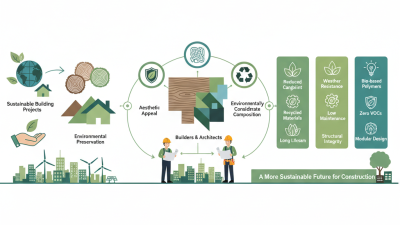
WPC (Wood Plastic Composite) wall panels represent a significant advancement in sustainable building materials, aligning perfectly with the eco-conscious design trends anticipated for homes in 2025. Composed of a blend of wood fibers and plastic, WPC materials are designed to minimize environmental impact while enhancing aesthetic appeal. According to a report by the Freedonia Group, the demand for sustainable materials in construction is expected to rise by over 5% annually, indicating a robust shift towards solutions that prioritize eco-friendliness without compromising on quality.
One of the primary benefits of WPC wall panels is their impressive durability and low maintenance requirements, which contributes to their sustainability profile. Research by the American Society for Testing and Materials (ASTM) shows that WPC products can outperform traditional materials in terms of lifecycle performance and resistance to decay and pests. This longevity means that less waste is generated from replacements and repairs, further reducing the carbon footprint associated with new installations. Additionally, many WPC products can be sourced from recycled materials, reinforcing their eco-friendly credentials and helping to conserve valuable natural resources.
Moreover, WPC materials contribute to energy efficiency in home design. The thermal properties of WPC panels help to regulate indoor temperatures, leading to reduced energy consumption for heating and cooling. A study by the Building Research Establishment (BRE) highlights that using sustainable materials, such as WPC, can reduce energy demands by as much as 30% in residential buildings. As more homeowners and designers incorporate such materials into their projects, the overall impact on energy consumption could be significant, promoting a greener future in construction.
Benefits of WPC Wall Panels in 2025 Home Design Trends
In 2025, WPC wall panels are gaining popularity due to their numerous benefits. This chart illustrates the key advantages, emphasizing sustainability and durability as top priorities, along with aesthetic appeal, low maintenance, and cost-effectiveness.
Design Trends Incorporating WPC Wall Panels for 2025
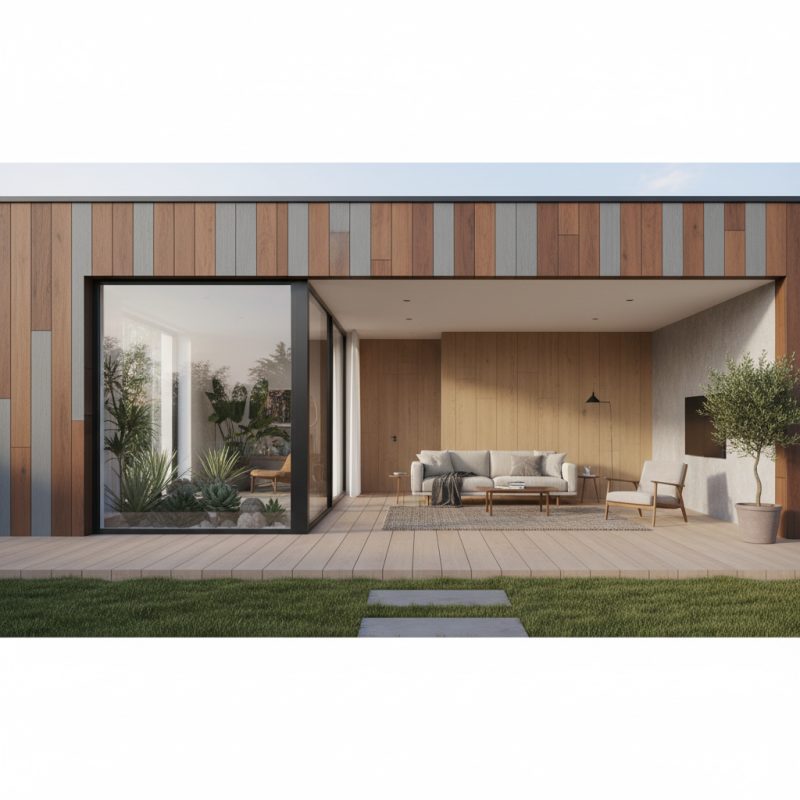
As we approach 2025, the integration of Wood Plastic Composite (WPC) wall panels in home design is gaining traction due to their blend of aesthetic appeal and practicality. According to a recent market analysis by Grand View Research, the global WPC market is projected to reach USD 10.9 billion by 2027, with a significant portion of this growth driven by the increasing preference for sustainable building materials. WPC wall panels not only provide an attractive visual texture that mimics natural wood but also offer durability and resistance to moisture, making them a popular choice in various interior and exterior applications.
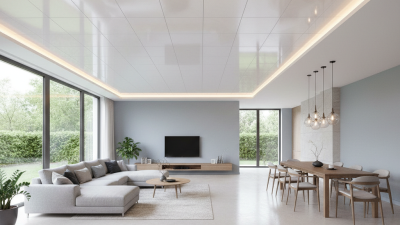
Incorporating WPC wall panels into residential spaces is aligned with several key design trends expected to dominate in 2025. One notable trend is the focus on biophilic design, which emphasizes the connection between indoor environments and nature. WPC panels, available in various finishes and colors that emulate natural wood grains, effectively support this trend by enhancing the warmth and organic feel of living spaces. Additionally, as energy efficiency becomes increasingly vital in home design, WPC panels can contribute to insulation, thereby reducing energy costs. The resilience of WPC materials helps homeowners maintain their investments, as they require less maintenance over time, highlighting the practicality of this material choice in contemporary home design.
Discover the Benefits of WPC Wall Panels for Your 2025 Home Design Trends
| Feature |
Description |
Benefit |
| Durability |
WPC panels are resistant to moisture, pests, and rot. |
Long-lasting investment for hassle-free maintenance. |
| Eco-Friendly |
Made from recycled materials, improving sustainability. |
Reduces environmental impact in home construction. |
| Aesthetic Versatility |
Available in a variety of designs, colors, and finishes. |
Enhances interior decor flexibility and modern aesthetic. |
| Sound Absorption |
Effective in reducing noise levels in living spaces. |
Creates a more serene and comfortable environment. |
| Easy Installation |
Can be mounted quickly without specialized tools. |
Saves time and labor costs during home renovation. |
Installation and Maintenance Tips for WPC Wall Panels in Homes
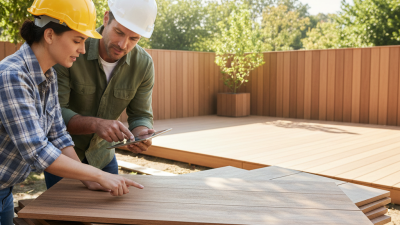
WPC wall panels, made from wood-plastic composite materials, offer a versatile and aesthetically pleasing option for home interiors. Their installation is straightforward, making them an excellent choice for both DIY enthusiasts and professional contractors. Begin by measuring the wall space accurately and preparing the surface, ensuring it's clean and dry. WPC panels can typically be cut down to size with standard tools, but it's essential to follow the manufacturer's guidelines for optimal results. Utilizing an adhesive or interlocking system can streamline the installation process, and ensuring the panels are level will contribute to a polished finish.
Maintenance of WPC wall panels is relatively simple, which adds to their appeal in modern home design. They are resistant to moisture, pests, and rot, making them suitable for various environments. To keep them looking fresh, routine cleaning with mild soap and water is usually sufficient. Avoid harsh chemicals that could damage the surface. Additionally, periodic inspection for any signs of wear or fading should be performed, especially in high-traffic areas or where sunlight exposure is significant. By following these installation and maintenance tips, homeowners can enjoy the long-lasting benefits of WPC wall panels as part of their 2025 home design trends.