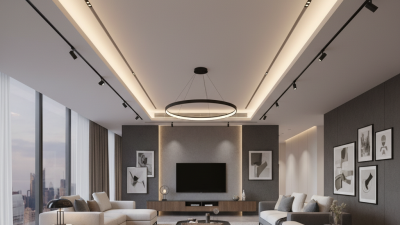
What Are the Best China Gypsum Ceiling Tiles Suppliers?
Choosing the best China Gypsum Ceiling Tiles supplier requires more than comparing online prices. Product quality, factory capability, documentation, and after-sales support all deserve close attention. A polished website proves little.
This guide examines suppliers through practical purchasing criteria. These include gypsum density, panel dimensions, surface finish, moisture resistance, fire-performance documentation, and acoustic results. We also consider production equipment, quality-control procedures, export experience, and packaging methods. A reliable supplier should provide current test reports, clear technical data, and consistent samples before bulk production begins.
Details matter. Inspect the tile edges, not only the showroom face. Check whether corners remain intact after transport. Ask how pallets are protected from humidity and impact. Factory communication also reveals useful evidence. Prompt replies are helpful, but precise answers matter more. Site audits, independent inspections, and reference projects can strengthen confidence.
Still, no supplier is perfect. Certificates may need verification, and a sample may not represent every production batch. I may also overlook smaller regional manufacturers with strong capabilities. Therefore, “best” should describe the supplier that fits your project, budget, climate, and delivery schedule. The following overview offers a careful starting point for comparing China-based manufacturers and making a more informed sourcing decision.
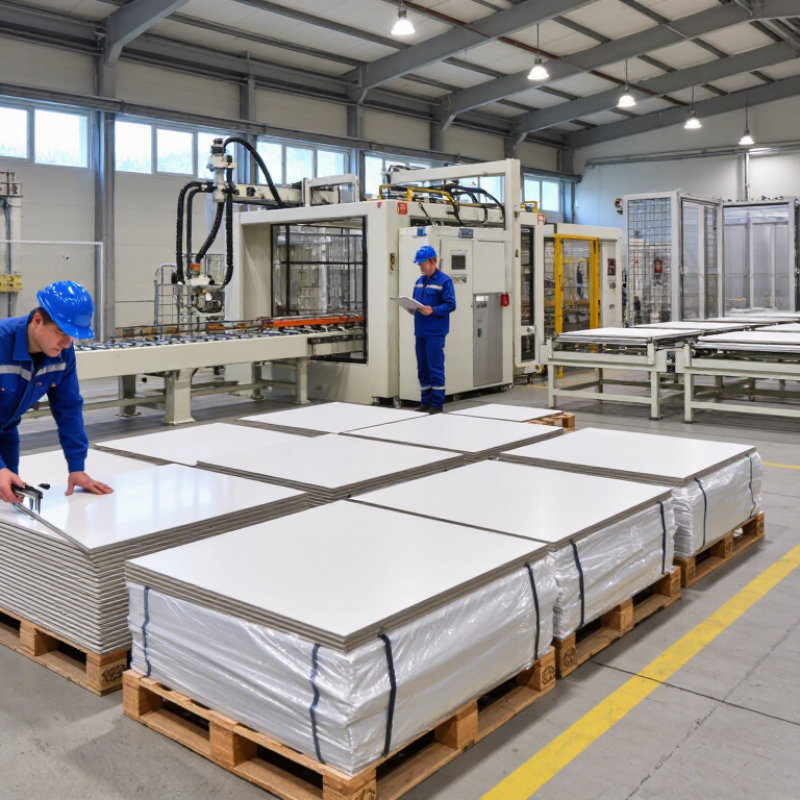
What Are China Gypsum Ceiling Tiles and How Are They Used?
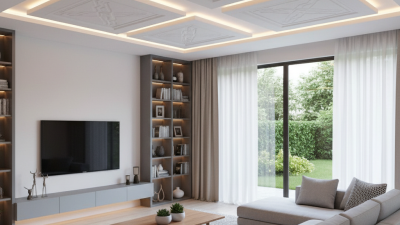
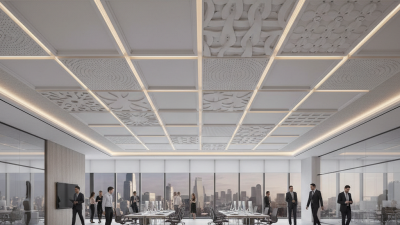
China gypsum ceiling tiles are molded panels made from calcined gypsum, reinforced with fibers and selected additives. They fit suspended ceiling grids or fixed framing systems. Their clean white surface suits offices, hotels, schools, shops, and residential interiors.
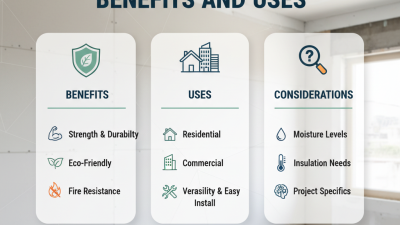
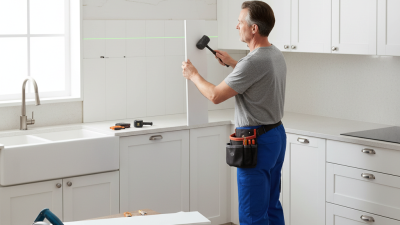
They are used to improve ceiling appearance, manage sound, and support fire-conscious interior design. Perforated patterns can help reduce echo when paired with suitable insulation. Moisture-resistant grades work better in humid areas, but ordinary gypsum tiles may soften after prolonged water exposure. They are not ideal for open bathrooms or leaking roofs. Installation usually involves measuring the grid, checking tile edges, and placing panels without forcing them. Small gaps become obvious under strong lights.
When comparing China gypsum ceiling tiles suppliers, buyers should request samples, product specifications, test reports, and packaging details. Inspect the tile’s thickness, corner strength, flatness, and surface consistency. A reliable supplier should explain installation limits rather than promise universal performance. Freight protection matters too. Cracked corners can waste more money than a small price difference.
The material is not flawless. Tiles can chip during cutting, and uneven grids create visible lines. That reality is easy to underestimate. A careful project plan should include spare pieces, moisture assessment, and local installation skills. Suppliers serving export projects should communicate clearly about dimensions, tolerances, lead times, and quality checks before production.
How to Evaluate China Gypsum Ceiling Tile Suppliers
Evaluating China gypsum ceiling tile suppliers requires more than comparing online prices. Check factory experience, production capacity, and documented quality controls. Ask for a physical sample before discussing a large order. Examine its thickness, edge accuracy, surface smoothness, and weight by hand. Small flaws often become obvious under ceiling lights.
A reliable supplier should provide technical data for moisture resistance, fire performance, acoustic results, and dimensional tolerance. Request recent test reports from recognized laboratories, not edited screenshots. Confirm whether the tested product matches the sample and final production batch.
During factory checks, inspect molding areas, drying rooms, packaging stations, and storage conditions. Damp cartons are a warning.
Communication also reveals technical competence. A capable team should explain installation limits, recommended grid systems, and acceptable color variation. Ask for a written production schedule with inspection points and loading details.
Clear answers matter. Vague promises do not.
Pricing still matters, but the lowest quotation can hide thinner tiles, weak packaging, or costly replacements. Review payment terms, export documents, and after-sales procedures carefully. A pre-shipment inspection is useful, although it cannot replace incoming checks at your site.
I have found that even careful evaluations miss something occasionally. Keep spare tiles, record batch numbers, and photograph damaged cartons immediately. That simple discipline protects the project later.
How Do Leading Suppliers Compare in Quality, Price, and Service?
Choosing among China gypsum ceiling tile suppliers requires more than comparing catalogue photos. In project reviews, I examine tile density, edge accuracy, surface finish, and moisture resistance. A reliable supplier provides test reports, production samples, and clear product tolerances. Check whether a 600 x 600 mm tile remains stable after transport. Small dimensional differences can create visible gaps during installation.
Price comparisons need careful reading. A low quotation may exclude reinforced packaging, inspection fees, spare tiles, or delivery to the destination port. I request itemized quotes with material thickness, coating type, minimum order quantity, and lead time. The cheapest offer is not always economical. Sometimes, it creates expensive delays.
Service separates capable suppliers from ordinary ones. Strong suppliers answer technical questions quickly and explain installation details without vague promises. They should confirm carton protection, replacement procedures, and production updates before payment milestones. Ask for a small sample batch. It reveals more than polished sales language. Still, no supplier is flawless. Some test documents may be outdated, and some color samples may differ slightly from mass production. Independent inspection remains worthwhile, especially for large commercial projects. Compare verified quality, total landed cost, and practical support together.
How Can Buyers Select the Right China Supplier?
Selecting the right China gypsum ceiling tiles supplier requires more than comparing prices. The 2024 USGS Mineral Commodity Summaries estimated global gypsum mine production at about 150 million metric tons in 2023. Raw material availability is strong, but quality still varies between factories. Buyers should request recent test reports for fire performance, moisture resistance, acoustic absorption, and dimensional stability. Ask which laboratory issued each report.
Audit the supplier’s production process, not only its showroom. Check gypsum purity, fiber reinforcement, curing time, packaging, and storage conditions. A reliable factory should provide batch numbers, inspection records, and clear replacement procedures. ISO 9001 certification can support process control, but it does not guarantee excellent ceiling tiles. That distinction matters.
Use independent pre-shipment inspection for the first orders. Measure tile thickness, edge accuracy, surface flatness, and carton strength. Request samples from different production batches. A perfect sample can mislead. I once underestimated warehouse humidity; several cartons later showed softened edges. That mistake changed my checklist. Buyers should also compare the supplier’s minimum order quantity, lead time, export experience, and response speed. The World Bank’s logistics research repeatedly links shipment reliability with supply-chain performance, so a low factory price may fail when delivery records are weak. Keep all technical promises in the purchase contract. Suppliers who answer specific questions clearly are usually easier to manage after payment.