Best Floating Ceiling Tiles for Modern Spaces in 2026
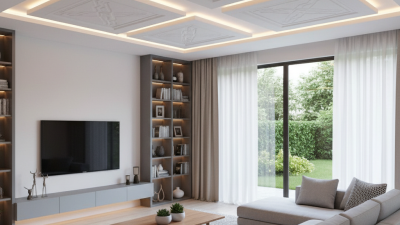
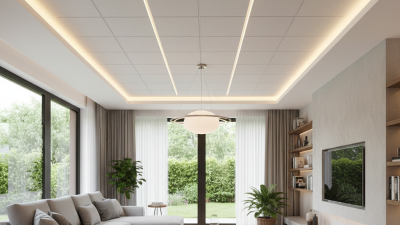
As we move into 2026, the design landscape continues to evolve. One trend gaining momentum is the use of Floating Ceiling Tiles. These tiles offer a contemporary touch to modern spaces. They enhance visual appeal while also providing functional benefits.
Floating Ceiling Tiles come in various materials and styles. This makes them versatile for different design preferences. They can transform a mundane room into a visually stunning environment. Designers increasingly regard these tiles as essential elements in sophisticated interiors.
However, the selection of the right tiles can be challenging. Consider factors such as material, texture, and installation ease. Researching options is crucial to avoid costly mistakes. Not all tiles are suitable for every space, and understanding these nuances is vital. Embracing Floating Ceiling Tiles requires careful thought and creativity. This journey can lead to stunning results when done right.
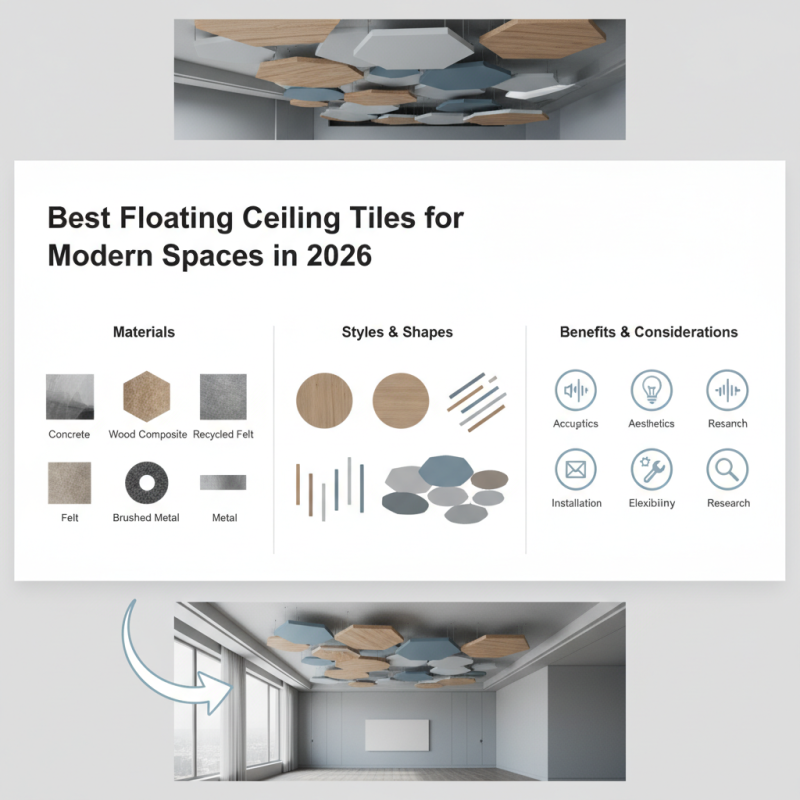
Best Floating Ceiling Tiles: An Overview of Styles and Materials
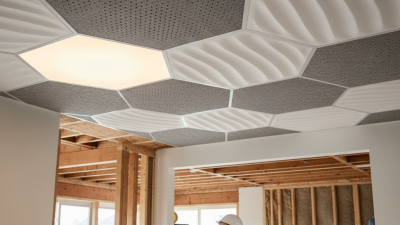
Floating ceiling tiles are becoming a popular choice for modern spaces. They offer not only aesthetic appeal but also practical benefits. Various styles and materials can suit different design needs. For instance, wood, metal, and foam are commonly used materials. Each provides a distinct look and feel to spaces.
When choosing floating ceiling tiles, consider the room’s purpose. For a cozy atmosphere, wooden tiles work well. If a sleek look is desired, metal tiles might be the best fit. Ventilation is another important factor. In humid areas, moisture-resistant tiles are essential. Ensure that the tiles complement your existing décor for a harmonious environment.
Tips: Look for lightweight options for easier installation. Keep in mind that not all tiles absorb sound equally. Experimenting with tile placement can lead to stunning visual effects. A well-chosen tile not only enhances aesthetics but can also shape the room’s acoustics.
Acoustic Performance: Understanding Sound Absorption Ratings in Ceiling Tiles
When designing modern spaces, the choice of ceiling tiles plays a critical role, especially regarding acoustic performance. Sound absorption ratings help determine how well tiles can reduce noise. This is vital in settings like offices, theaters, or homes where echo can disrupt the experience. Look for tiles made from high-density materials, as they often perform better in sound absorption tests.
Understanding the ratings can be complex. Not all tiles labeled as "acoustic" are equal in performance. Investigate the Noise Reduction Coefficient (NRC) ratings. Tiles with higher NRC ratings absorb more sound, ensuring conversations remain private and reducing disturbances. It’s essential to balance aesthetics and functionality. Some beautiful designs may sacrifice acoustic performance. Reflection on this balance could lead to surprising choices that enhance both style and sound quality.
In practice, ensure tiles are installed correctly. Gaps and poor alignment can undermine their acoustic properties. Many builders overlook installation details, which can lead to disappointing results. Regular assessments can help maintain performance over time. Choose wisely and enjoy the quietude enveloped by effective floating ceiling tiles.
Cost Analysis: Comparing Prices of Top Floating Ceiling Tile Brands
The floating ceiling tile market is evolving, with a wide variety of options available. A recent industry report reveals prices for these tiles can range from $2 to $8 per square foot, depending on materials used and brand reputation. It’s essential to consider that while cheaper options may save money upfront, they often lack the durability and aesthetic appeal found in premium tiles.
When budgeting for ceiling tiles, don’t forget to account for installation costs, which can add an average of $1 to $3 per square foot to your overall expense. Investing in higher-quality materials often leads to lower maintenance costs over time, making it a wise financial decision. Research indicates that homeowners who opt for quality tiles experience fewer issues like sagging or deterioration, which can be costly down the line.
**Tips:** Always check multiple suppliers to find competitive pricing. Look for sales or bulk purchasing options to save more. Also, remember to read reviews and research the durability of different materials, as not all tiles are created equal. An informed choice can ensure lasting beauty in your space.
Best Floating Ceiling Tiles for Modern Spaces in 2026 - Cost Analysis
| Tile Type |
Material |
Size (sq ft) |
Average Price ($) |
Features |
| Acoustic Tile |
Mineral Fiber |
2x2 |
2.50 |
Sound Absorption |
| PVC Panel |
PVC |
2x2 |
3.00 |
Water Resistant |
| Wood Finish Tile |
Wood Composite |
2x4 |
4.50 |
Natural Look |
| Metal Ceiling Tile |
Aluminum |
2x2 |
5.00 |
Durable & Lightweight |
| Fiberglass Tile |
Fiberglass |
2x2 |
3.50 |
Fire Resistant |
Installation Techniques: Best Practices for Modern Floating Ceiling Systems
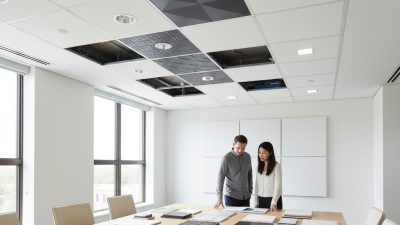
Modern floating ceilings offer a sleek aesthetic and practical advantages. They can enhance sound absorption and improve the overall visual appeal of a space. However, achieving the best results requires careful attention to installation techniques.
When considering installation, ensure you begin with proper measurements. Accurate scaling prevents future issues. Use a level for precision and double-check your calculations. Experienced installers often recommend using a laser level, which can provide clearer guidance than a traditional level. This is particularly useful in larger spaces where slight misalignments can become noticeable.
One common mistake is underestimating the importance of structural support. Floating ceiling tiles need adequate backing to stay firmly in place. If the ceiling isn't adequately prepped, tiles may sag or warp over time. Regularly review your installation progress, and look for areas that may need reinforcement. Attention to these details will yield a more robust and visually pleasing result.
Best Floating Ceiling Tiles for Modern Spaces in 2026
This bar chart illustrates the user ratings for various criteria related to the best floating ceiling tiles in modern spaces as of 2026. The ratings reflect factors such as acoustic performance, aesthetic value, durability, cost efficiency, and ease of installation.