2026 Best Gypsum Board Types for Your Home Renovation?
When planning a home renovation, choosing the right materials is crucial. One popular choice is Gypsum Board. It offers versatility and durability. Gypsum Board is known for its ease of installation. Homeowners have appreciated its smooth surface finish. Many different types are available for specific needs.
In 2026, it’s essential to consider which Gypsum Board types best suit your project. There are options for moisture-prone areas, like bathrooms. Some Gypsum Board varieties provide fire resistance too. Not every type will fit every space. Assessing your home's unique situation is necessary.
Understanding these differences can lead to better results. However, not all Gypsum Boards are created equal. Some may warp or crack over time. It’s important to research and choose wisely. Even small oversights can lead to bigger issues. Remember, the right Gypsum Board can enhance your home's value and aesthetic appeal.
What are Gypsum Boards and Their Common Applications in Homes?
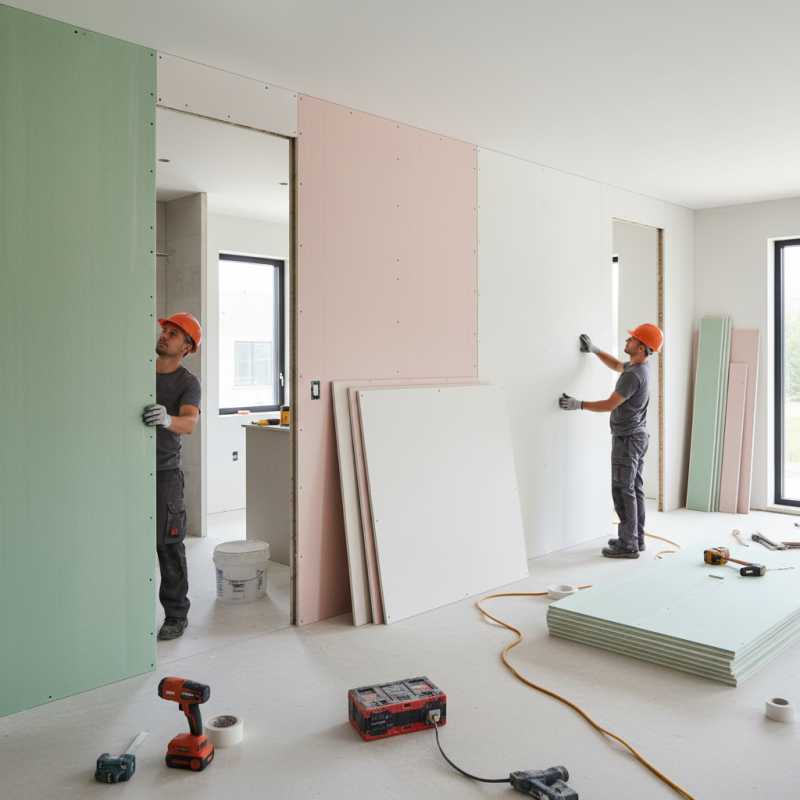
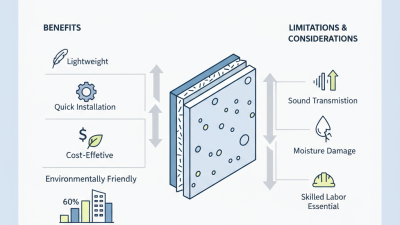
Gypsum boards, also known as drywall, are a popular choice for home renovations. They consist of a core made of gypsum plaster, sandwiched between two sheets of heavy paper. This combination results in a lightweight yet sturdy material. It’s widely used for constructing walls and ceilings due to its versatility and ease of installation. Homes often have gypsum boards in living rooms, kitchens, and even bathrooms, providing a smooth surface for painting or wallpapering.
In addition to standard applications, gypsum boards are useful for noise reduction and fire resistance. Thicker varieties can significantly reduce sound transmission between rooms. However, homeowners should note that not all gypsum boards are water-resistant. Using the wrong type in humid areas can lead to mold issues over time. It's important to consider these factors when selecting the right board for specific environments. Many people overlook these considerations during renovations, leading to regret later. Careful planning is essential for achieving lasting results.
Types of Gypsum Boards: Regular vs. Moisture-Resistant Variants Explained
When renovating your home, selecting the right gypsum board is crucial. Two primary types often debated are regular and moisture-resistant gypsum boards. Regular gypsum boards are common in interiors due to their affordability and versatility. Reports indicate that about 70% of homes utilize this type for standard applications. However, the drawbacks are significant, especially in areas prone to humidity.
Moisture-resistant gypsum boards stand out for their durability in wet conditions. They contain additives that help prevent mold and mildew. In bathrooms and kitchens, these boards reduce the risk of water damage, a growing concern given the increase in indoor humidity levels. Research shows that using moisture-resistant boards can enhance a home's lifespan significantly. Yet, they come at a higher cost, which can be a dealbreaker for many.
The choice between regular and moisture-resistant boards often reflects personal priorities. Some homeowners may prioritize cost over long-term benefits. Others might overlook the potential health risks of moisture-related mold. It’s important to weigh these factors carefully before making a decision that impacts your family's well-being. This choice defines not just aesthetics but also safety in the long run.
2026 Best Gypsum Board Types for Your Home Renovation
This chart compares the different types of gypsum boards available for home renovation, focusing on their specific characteristics such as durability, moisture resistance, and application areas.
Understanding Fire-Resistance Ratings in Gypsum Board Products
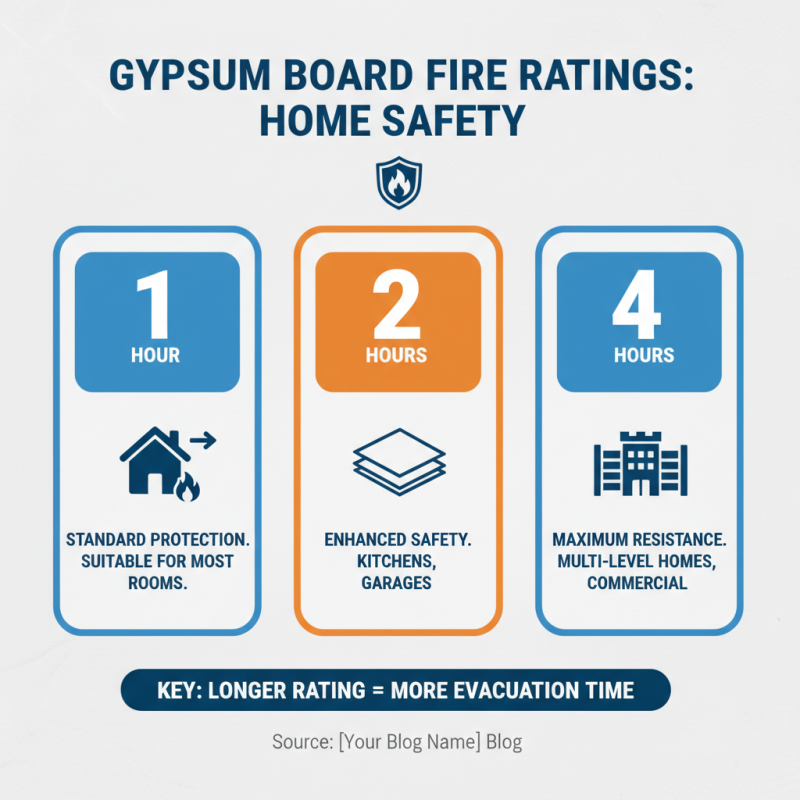
When renovating your home, choosing the right gypsum board is crucial. Fire-resistance ratings are an essential factor. These ratings indicate how long the board can withstand fire. Standard ratings are often one hour to four hours. But really, what does this mean for your home?
Gypsum board designed for fire resistance contains additives. These additives help slow down the spread of flames. In a fire, they release moisture, which cools the surrounding area. Regular board does not offer the same protection. Think about where you might use this board. Areas like kitchens or near fireplaces require careful consideration.
Yet, not all fire-resistant boards are equal. Some may not perform as advertised. It’s wise to check certifications and test results. While many boards hold up well, a few can disappoint. This is a reminder to research before making a choice. Your safety depends on these decisions. Choosing the right board is not just about aesthetics; it’s about protecting your home and your loved ones.
The Impact of Gypsum Board Thickness on Acoustic Performance
When considering home renovation, gypsum board is often a top choice. Its thickness plays a significant role in acoustic performance. Thicker boards tend to absorb sound better, creating quieter spaces. For example, a 12.5 mm board reduces noise more effectively than a 9.5 mm board. This quality is essential for bedrooms or media rooms where noise control is vital.
However, using thicker boards may come with challenges. They can be heavier and more challenging to install. One might need extra support during installation. It’s also worth noting that they may not fit neatly in all spaces. Given these factors, homeowners should assess the specific needs of their renovation project. Check if sound insulation is truly necessary or if thinner boards could suffice. Balancing acoustics and practicality can lead to better decisions.
Sustainability Considerations: Eco-Friendly Options in Gypsum Board Selection
When it comes to home renovation, selecting eco-friendly gypsum board is essential. Sustainable materials have become a priority for many homeowners. Traditional gypsum boards often use harmful additives that can emit volatile organic compounds (VOCs). Looking for boards made with recycled materials can significantly reduce environmental impact. For example, some newer options incorporate recycled paper and an eco-friendly core.
Another factor to consider is the manufacturing process. Eco-conscious manufacturers now focus on reducing waste and energy consumption. You should pay attention to certifications that ensure lower environmental footprints. Many boards are available with features like moisture resistance, which can be particularly useful in humid climates. These boards not only last longer but also help improve indoor air quality.
There's always room for improvement in sustainability practices. Often, the most affordable options are not the best for the planet. They can create challenges in waste management later on. It's crucial to reflect on the long-term implications of material choice. Carefully consider the life cycle of the products you choose. Opting for green choices is a step forward, but understanding their full impact is where true sustainability begins.
2026 Best Gypsum Board Types for Your Home Renovation
| Type of Gypsum Board |
Recycled Content (%) |
Fire Resistance (Hours) |
Moisture Resistance |
Price Range ($ per square foot) |
| Standard Gypsum Board |
0-5% |
1-2 hours |
No |
$0.30 - $0.50 |
| Fire-Resistant Board |
0-10% |
2-4 hours |
No |
$0.45 - $0.75 |
| Moisture-Resistant Board |
10-20% |
1-2 hours |
Yes |
$0.60 - $1.00 |
| Soundproof Board |
5-15% |
1-2 hours |
No |
$0.70 - $1.20 |
| Eco-Friendly Board |
20-40% |
1-3 hours |
Yes |
$0.80 - $1.50 |