2026 Best PVC Wall Panel Options for Global Buyers?
As the demand for interior design solutions grows, PVC Wall Panels have become increasingly popular worldwide. According to industry expert Michael Thompson, “PVC Wall Panels offer a versatile solution that combines aesthetics with functionality.” This statement encapsulates the rising trend in the construction industry where durability meets design.
PVC Wall Panels are now recognized for their ease of installation and maintenance. They resist moisture and can withstand various climatic conditions. Yet, many buyers may not realize the range of styles available. While selecting panels, it is crucial to consider both quality and design. This balance often proves challenging for global buyers who seek cost-effective options without compromising on visual appeal.
As we approach 2026, the market will diversify even further. New designs and technological advancements will change the landscape of PVC Wall Panels. However, potential buyers should assess not only the aesthetics but also the panel’s longevity and environmental impact. The right choice can enhance any space while ensuring practicality.

Overview of PVC Wall Panels: Benefits and Applications
PVC wall panels have gained significant traction in both residential and commercial applications. Their lightweight nature and versatility make them a favored choice among designers and builders. According to a market analysis by Smithers Pira, the PVC wall panel market is expected to see a growth rate of 6.2% annually through 2026. This trend highlights a growing recognition of the benefits they offer.
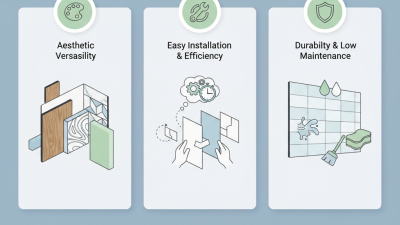
One key advantage is their durability. PVC panels are resistant to moisture, making them ideal for areas with high humidity, like bathrooms and kitchens. They can last over 20 years with proper maintenance. Additionally, they are easy to clean and maintain. With the right care, fading due to sunlight exposure can be minimized. However, not all PVC panels are created equal. Quality can vary significantly, prompting buyers to conduct thorough research before committing.
Another benefit is their aesthetic appeal. Available in various designs, textures, and colors, PVC panels can easily mimic natural materials such as wood or stone. This flexibility in design enables homeowners to achieve their desired look without the high cost typically associated with traditional materials. But, it’s essential to consider local climate conditions, as the expansion and contraction of PVC can affect the installation process.
2026 Best PVC Wall Panel Options for Global Buyers
This chart illustrates the benefits of various PVC wall panels based on key performance metrics that global buyers consider essential for their projects. Each category is rated on a scale from 1 to 10, showcasing their strengths and areas of value in the market.
Key Features to Consider When Choosing PVC Wall Panels
When selecting PVC wall panels, key features significantly influence the decision-making process. A report by MarketsandMarkets indicates the global PVC panel market is expected to grow by over 15% annually until 2026. This growth highlights the increasing preference for durable, moisture-resistant materials.
Buyers should consider thickness. Thicker panels generally offer better insulation and durability. Panel measurements can vary dramatically, but a standard thickness ranges from 5mm to 10mm.
Another essential feature is surface texture. Smooth finishes are easy to clean but may show fingerprints easily. On the other hand, textured panels can hide imperfections but might require more maintenance. A survey from Statista revealed that 70% of consumers prioritize aesthetics in their purchasing decisions. This presents a challenge, as attractive designs often need to balance functionality and maintenance requirements.
Additionally, colors and patterns contribute to overall appeal. The diversity in colors allows for personalization in different environments. However, limited knowledge on how colors affect mood and perception complicates choices. As buyers navigate options, understanding material quality and source remains crucial. Certain materials may look appealing but lack durability. Balancing aesthetics, functionality, and price will remain an ongoing concern for global buyers in the PVC panel market.
Top Brands and Manufacturers of PVC Wall Panels Globally
When considering PVC wall panels, understanding top brands and manufacturers is crucial for global buyers. These brands vary in quality, offerings, and pricing. Some excel in durability, while others focus on aesthetic appeal. Researching different aspects will yield better choices.
Tips: Evaluate the production processes of manufacturers. Look for transparency in their material sourcing. Quality assurance protocols add credibility to their products. Testing samples before making large purchases can save money and time.
Buyers should also reflect on their needs. What style suits your space? Are you looking for easy installation? Take time to compare features like water resistance, fire ratings, and maintenance requirements.
In the end, making informed decisions requires patience and a critical eye.
Comparative Analysis of PVC Wall Panel Prices and Quality
When considering PVC wall panels, price and quality play significant roles for buyers worldwide. A comparative analysis reveals that the price range for these panels varies widely. This fluctuation often depends on factors such as design complexity, thickness, and brand reputation. Basic options may start as low as $5 per square meter, while premium panels can reach $25 or more.
Quality, on the other hand, is not always proportional to price. Higher costs do not always guarantee superior durability or aesthetic appeal. Some lower-priced panels offer impressive resistance to moisture and impacts, making them suitable for diverse environments. However, buyers should investigate product reviews and conduct material tests whenever possible.
Reflecting on these elements is crucial. Many buyers often overlook the importance of installation methods and maintenance. Proper installation affects the longevity of the panels. Without adequate care, even the most expensive panels may fail prematurely. Researching different installation techniques could prevent potential issues after purchase.
Trends and Innovations in PVC Wall Panel Design for 2026
The PVC wall panel market is evolving. Innovations in design are reshaping spaces worldwide. By 2026, we expect a surge in customizable options. According to industry reports, the global market for PVC wall panels reached $15 billion in 2022 and is anticipated to grow at 9% annually. This trend shows a clear demand for versatile solutions.
In 2026, natural aesthetics are set to dominate. Faux wood textures and stone finishes will gain popularity. These designs cater to consumers who value organic looks. However, there is a cautionary note. The over-reliance on these materials may lead to authenticity issues. Buyers often seek sustainable options for environmental reasons, but not all products meet these standards.
Moreover, innovation extends beyond aesthetics. Advanced manufacturing techniques are streamlining production. Digital printing technology allows for greater personalization. This makes panels affordable and unique. Still, some manufacturers face challenges in maintaining quality. As designs become more intricate, ensuring durability remains a concern. Open dialogue between manufacturers and consumers is essential to tackle these evolving needs.