10 Best Waterproof PVC Wall Panels for Your Home Renovation Needs?
In the world of home renovation, choosing the right materials is crucial. Waterproof PVC Wall Panels are increasingly popular due to their durability and aesthetic appeal. According to a report by Grand View Research, the global PVC wall panel market is projected to reach $19.67 billion by 2027. This growth highlights the rising demand for practical yet stylish home solutions.
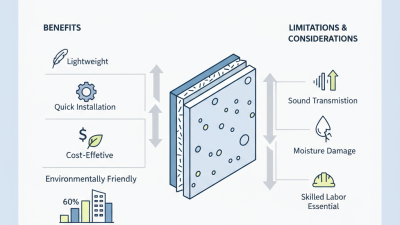
Waterproof PVC Wall Panels offer resistance to moisture, making them ideal for kitchens and bathrooms. They are lightweight and easy to install, which can save time and labor costs during renovations. However, not all panels are created equal. Some options may not withstand harsh cleaning products or extreme humidity. Choosing the best product requires careful consideration.
While waterproof PVC panels are advantageous, their performance may vary. Factors such as installation methods and environmental conditions can influence their longevity. Graphs from industry analysts suggest that proper maintenance is key to maximizing their lifespan. It's essential to review specifications and customer feedback to ensure you make an informed choice. These considerations will help you navigate the array of options available for your home renovation needs.
10 Key Features to Consider in Waterproof PVC Wall Panels
When selecting waterproof PVC wall panels, there are essential features to keep in mind. Look for durability. Panels should resist wear and tear, especially in high-traffic areas. Consider the thickness of the panels. A thicker panel often provides better insulation and stability. Also, check the finish. Glossy finishes reflect light well, while matte finishes can hide imperfections.
Texture matters, too. Panels with textured surfaces can add depth to a room. They also provide additional grip, which is useful in wet spaces. Color options are important. Choose shades that complement your home’s decor. Some colors can make a space feel larger or cozier.
Don’t forget about installation. Some panels fit together easily, making DIY projects simpler. However, others may require professional help.
Lastly, think about maintenance. Easy-to-clean panels save time in the long run. Yet, some materials can stain easily, requiring more care. There are many choices available, and it's easy to feel overwhelmed. Take your time. You may find that what looks good initially doesn't meet your needs later. Always reflect on your choices.
Comparative Analysis of PVC Wall Panels vs. Traditional Materials
When it comes to home renovations, choosing the right materials can be challenging.
PVC wall panels have gained popularity due to their waterproof nature. In contrast, traditional materials like drywall and wood are susceptible to moisture damage. A report from the Home Improvement Research Institute highlights that over 30% of homeowners face issues with moisture-related damage in their homes.
PVC panels offer advantages like easy installation and low maintenance.
They can be wiped clean and do not require repainting. Traditional materials often need regular upkeep, which can be costly. Research shows that homeowners spend approximately 15% of their renovation budget on maintenance of traditional wall surfaces. This often leads to frustration and unplanned expenses.
However, PVC wall panels are not without their own shortcomings. Some homeowners report concerns about durability compared to hardwood. While PVC panels are water-resistant, they may not mimic the warmth of natural materials. This can lead to a less homey feel in living spaces. Beauty and character in a home often come from imperfections, something often lost with perfect synthetic surfaces.
Top 10 Waterproof PVC Wall Panel Brands for Home Renovation
When considering waterproof PVC wall panels for home renovation, quality varies greatly among different brands. According to a recent industry report, waterproof wall panels can resist moisture and mold effectively, making them a popular choice for kitchens and bathrooms. Some panels can repel water for years without degradation. This is crucial for areas with high humidity levels.
Several brands stand out in the market, each offering unique features. Reports indicate that many homeowners seek panels that are easy to clean and maintain. The right product can make a significant difference in aesthetic appeal. However, a common issue is the thickness of the panels. Thin panels may warp or bend. It’s essential to consider durability as a critical factor when making a choice.
Moreover, buyers often report mixed experiences with installation processes. Some panels are more user-friendly, while others require professional help, adding to renovation costs. Overall, a careful selection process is vital. A well-informed decision can enhance the value and longevity of your renovation project.
Industry Standards and Certifications for Quality PVC Wall Panels
When considering PVC wall panels for home renovations, industry standards and certifications play a crucial role. Quality panels should meet certain criteria to ensure durability and safety. For instance, panels that comply with ASTM standards are often preferred. These standards assess the material's strength and longevity. A report by the American Society for Testing and Materials reveals that compliant panels exhibit improved performance and lifespan, making them a wise investment.
Moreover, certifications like GREENGUARD can indicate low emissions of volatile organic compounds (VOCs). This is essential for improving indoor air quality. Research shows that products with such certifications can reduce potential health risks. However, navigating through these certifications can be challenging. Some panels might appear high quality but fail to meet necessary certifications. This emphasizes the need for careful evaluation during procurement.
Lastly, not all PVC wall panels are created equal. There are variations in thickness, texture, and color that can influence performance. Reports indicate that thinner panels may warp or crack over time, especially in high-moisture areas. It’s important to weigh these factors when making a selection. While one may find attractive designs, neglecting the standards can lead to regrets down the line. Investing time in understanding these criteria is vital before proceeding with any renovations.
10 Best Waterproof PVC Wall Panels for Your Home Renovation Needs
| Panel Type |
Dimensions (ft) |
Thickness (mm) |
Weight (lbs) |
Waterproof Rating |
Fire Rating |
| Beadboard Style |
4 x 8 |
6 |
30 |
Yes |
Class B |
| Tile Effect |
4 x 8 |
4 |
25 |
Yes |
Class A |
| Marble Finish |
4 x 10 |
5 |
28 |
Yes |
Class B |
| Plain Glossy |
4 x 8 |
3 |
20 |
Yes |
Class A |
| Textured Panels |
4 x 8 |
6 |
32 |
Yes |
Class B |
| 3D Panels |
4 x 10 |
5 |
29 |
Yes |
Class A |
| Stone Finish |
4 x 8 |
4 |
26 |
Yes |
Class B |
| Wood Effect |
4 x 8 |
6 |
31 |
Yes |
Class A |
| Color Panels |
4 x 10 |
3 |
22 |
Yes |
Class B |
Cost Analysis: Budgeting for PVC Wall Panels in Renovation Projects
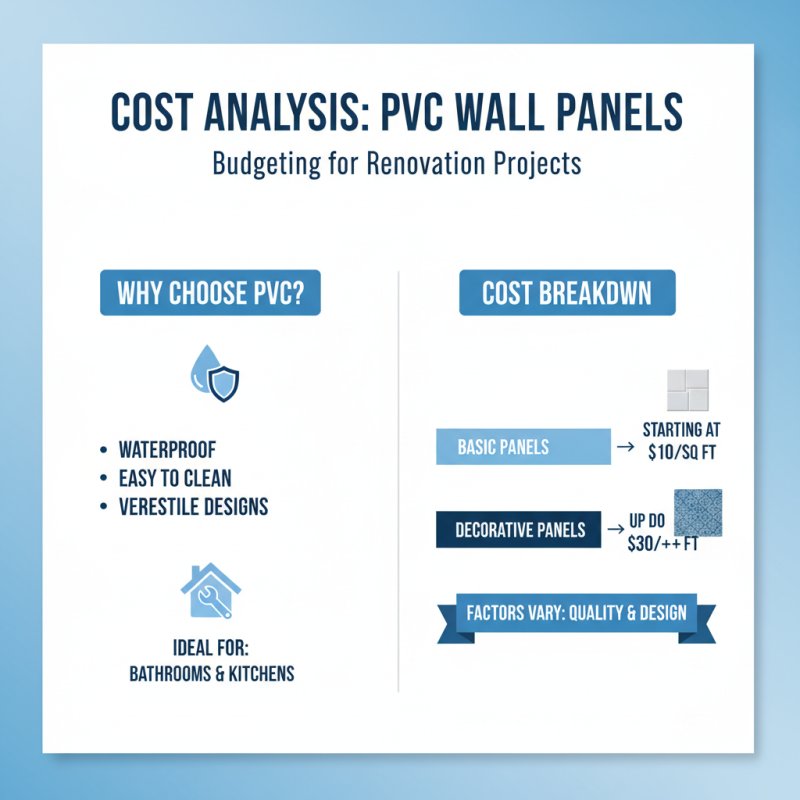
When planning a home renovation, budgeting for PVC wall panels is crucial. These panels are popular due to their waterproof nature, making them ideal for bathrooms and kitchens. The cost can vary significantly based on quality and design. Basic panels can start around $10 per square foot, while decorative options may reach $30 or more.
It's important to remember that hidden costs can arise. Installation expenses can add up, especially if you're hiring professionals. DIY installation might save money, but it requires a good skill level. If mishaps occur, you could end up spending more. Factor in additional materials like adhesives and trims, which often go overlooked.
Researching options is essential. Consider the long-term value of your choices. Cheap panels might not last, leading to repeated replacements. Think about maintenance, as some designs can show stains easily. Balancing upfront costs against durability will guide your renovation journey effectively. Each decision shapes your home’s future.