How to Choose the Best Mineral Fibre Ceiling Tiles for Your Home
When it comes to enhancing the interior aesthetics and functionality of a home, the choice of ceiling materials plays a pivotal role. Among the various options available, Mineral Fibre Ceiling Tiles stand out due to their versatility, sound absorption qualities, and cost-effectiveness. According to recent industry reports, the global market for ceiling tiles, particularly mineral fiber, is projected to grow significantly, reaching an impressive USD 7.57 billion by 2027, with a compound annual growth rate (CAGR) of 7.1% from 2020 to 2027. This growth can be attributed to the increasing demand for sustainable construction materials and the rise of modern architectural designs that prioritize acoustic performance.
As homeowners seek solutions for noise reduction and thermal insulation, Mineral Fibre Ceiling Tiles have emerged as a preferred choice, offering an effective solution to improve indoor comfort. These tiles not only contribute to energy efficiency but also enhance the overall living environment. However, with a myriad of options available on the market, selecting the right Mineral Fibre Ceiling Tiles requires careful consideration of various factors, such as acoustic properties, fire resistance, and aesthetic appeal. Making an informed choice can significantly impact both the functionality and style of your home, ensuring you achieve the perfect balance between form and function.
Understanding Mineral Fibre Ceiling Tiles: Overview and Benefits
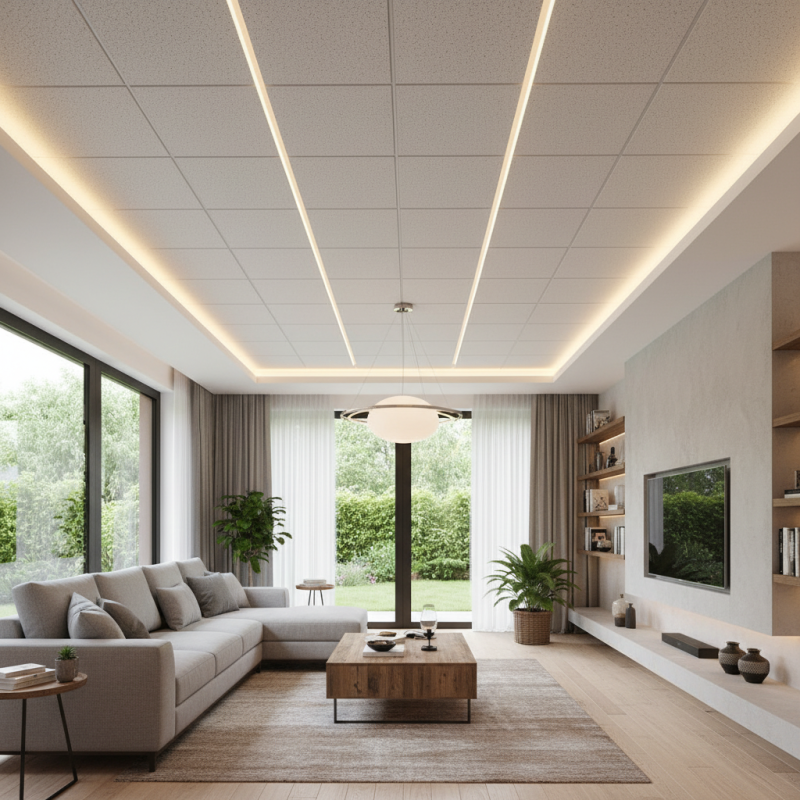
Mineral fibre ceiling tiles are a popular option in residential and commercial spaces due to their numerous benefits and aesthetic versatility. These tiles, commonly made from a blend of natural and synthetic fibers, provide effective sound absorption and thermal insulation, which can significantly enhance the comfort of any room. According to data from the Ceiling and Wall Panel Market Report 2023, the demand for acoustic ceiling tiles has surged by 15% over the last five years, highlighting a growing preference for environments that prioritize noise reduction.
In addition to their acoustic properties, mineral fibre ceiling tiles are also recognized for their durability and ease of maintenance. The reports indicate that approximately 80% of architects and interior designers favor these tiles for their fire-resistant characteristics, which comply with crucial safety regulations. Furthermore, their lightweight nature ensures easy installation, reducing both labor costs and time. With various textures and finishes available, mineral fibre ceiling tiles can seamlessly blend into diverse design schemes, contributing to overall aesthetic quality while meeting functional needs.
Key Factors to Consider When Choosing Mineral Fibre Ceiling Tiles
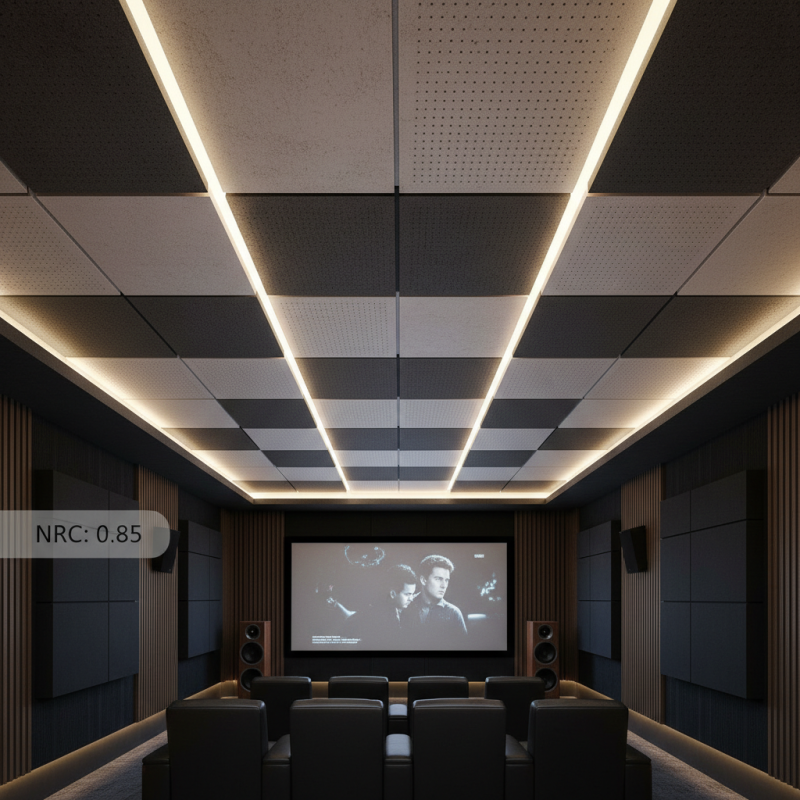
When choosing mineral fibre ceiling tiles for your home, several key factors should guide your decision. First, consider the acoustic performance of the tiles. Mineral fibre tiles are renowned for their sound-absorbing qualities, making them an excellent choice for spaces where noise reduction is crucial, such as living rooms, home theaters, or offices. Look for tiles specifically designed to minimize echo and enhance overall sound quality in a room, paying attention to their Noise Reduction Coefficient (NRC) ratings.
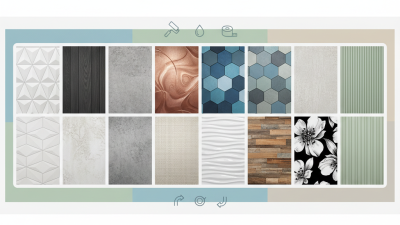
Another important factor is the aesthetics of the tiles. Mineral fibre ceiling tiles come in a variety of textures, colors, and designs, which can significantly impact the overall ambiance of a room. It's essential to select tiles that complement your home’s interior style, whether it's modern, traditional, or minimalist. Additionally, consider the ease of installation and maintenance. Some tiles allow for quicker installation processes and require less upkeep, which can save both time and money in the long run. Opt for options that are durable and resistant to moisture and mold, especially in areas like kitchens or bathrooms, where humidity can be a concern.
Different Types of Mineral Fibre Ceiling Tiles and Their Uses
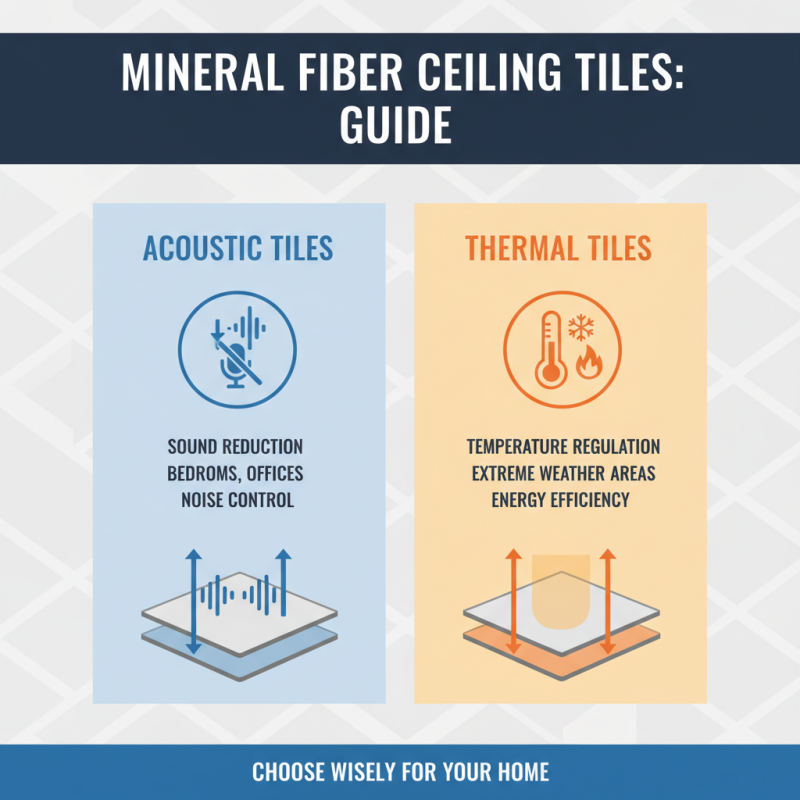
When selecting mineral fibre ceiling tiles, understanding the different types and their specific uses is essential for making the best choice for your home. There are primarily two categories of these tiles: acoustic and thermal tiles. Acoustic mineral fibre tiles are designed to absorb sound, making them ideal for spaces where noise reduction is crucial, such as bedrooms, offices, or meeting rooms. On the other hand, thermal tiles provide insulation, helping to maintain a comfortable temperature in your home, which is particularly advantageous in areas prone to extreme weather conditions.
Tips: When considering acoustic tiles, pay attention to the Noise Reduction Coefficient (NRC) rating; a higher NRC indicates better sound absorption. For thermal tiles, look for products with high insulation ratings to improve energy efficiency in your home.
Another type of mineral fibre tile is the fire-resistant variant, which is important for ensuring safety in various residential spaces, especially kitchens and areas with electrical equipment. Additionally, decorative options are also available, allowing homeowners to enhance the aesthetic appeal of their ceilings while benefiting from the functional properties of mineral fibre tiles.
Tips: Always check the fire ratings and certification of the tiles to ensure they meet safety standards. If aesthetics matter, consider tiles with printed designs or textures that align with your interior design theme.
Aesthetic and Acoustic Properties of Mineral Fibre Ceiling Tiles
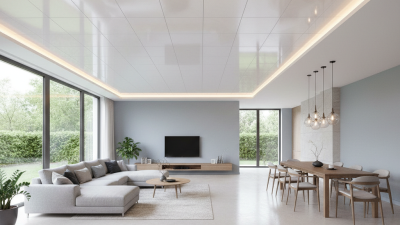
Mineral fibre ceiling tiles are renowned for their aesthetic appeal and superior acoustic properties, making them an excellent choice for residential and commercial spaces alike. Their textured surfaces and versatile designs can complement various interior styles, from modern to traditional. According to industry reports, approximately 75% of homeowners prioritize aesthetics in their ceiling choices, highlighting the importance of visual appeal in home improvement projects. The natural light reflection and the ability to paint or customize these tiles further enhance their attractiveness, allowing homeowners to create unique environments tailored to their tastes.
Acoustically, mineral fibre ceiling tiles are particularly effective in reducing sound transmission and enhancing speech clarity, which is crucial in bustling home environments. Data from the Acoustical Society of America reveals that these tiles can reduce noise levels by as much as 70%, making them ideal for spaces such as living rooms, home theaters, and open-concept areas. The sound-absorbing properties of mineral fibre not only combat echoes but also contribute to a peaceful atmosphere, which is an essential factor in creating comfortable living spaces. Additionally, their ability to improve indoor air quality by minimizing dust and allergens further underscores their practicality in home design, ensuring a healthier environment for occupants.
How to Choose the Best Mineral Fibre Ceiling Tiles for Your Home - Aesthetic and Acoustic Properties of Mineral Fibre Ceiling Tiles
| Property |
Description |
Benefits |
| Aesthetic Variety |
Available in various colors, textures, and patterns. |
Enhances interior design and complements different styles. |
| Acoustic Performance |
Reduces noise levels and improves sound quality. |
Ideal for spaces requiring sound control, such as offices and schools. |
| Fire Resistance |
Made of non-combustible materials with fire ratings. |
Enhances safety by reducing fire hazards. |
| Moisture Resistance |
Resistant to humidity and moisture damage. |
Suitable for kitchens and bathrooms where moisture is prevalent. |
| Sustainability |
Often made from recycled materials and are recyclable. |
Contributes to eco-friendly building practices. |
| Maintenance |
Easy to clean and maintain. |
Saves time and costs in upkeep. |
Installation and Maintenance Tips for Mineral Fibre Ceiling Tiles
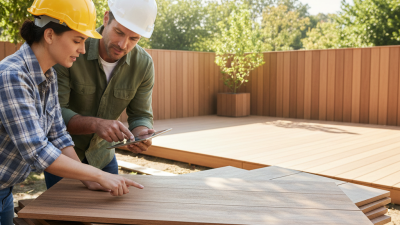
When it comes to installing mineral fibre ceiling tiles, proper preparation and execution are crucial for achieving a professional finish. Start by ensuring that the ceiling surface is clean, dry, and free from any obstructions. Use a level to check the alignment of your installation area, and if necessary, adjust with furring strips to create a flat surface. Measure carefully and cut the tiles using a sharp utility knife, following the manufacturer's guidelines for optimal results. When affixing the tiles, make sure to use the appropriate adhesive or suspension system recommended for your specific tile type.
Maintenance of mineral fibre ceiling tiles is relatively straightforward but essential for longevity and appearance. Regularly dust or vacuum the ceiling tiles to prevent the buildup of dirt and allergens. In case of stains or discoloration, mild soap and water can be used for cleaning; however, avoid harsh chemicals that may damage the surface. If tiles begin to sag or show signs of wear, it may be wise to replace them promptly to maintain a clean and appealing look. Periodic inspections can help catch issues early, allowing for timely repairs that will extend the life of your ceiling tiles.
Mineral Fibre Ceiling Tiles: Installation and Maintenance Tips