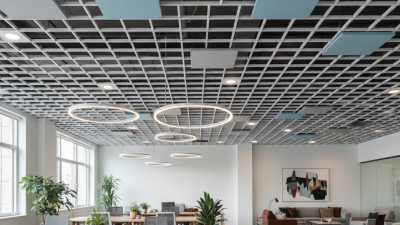
When considering your next project, the choice of ceiling design is crucial. A Ceiling Grid System stands out due to its versatility and functionality. This system allows for easy adjustments and repairs, offering both aesthetic appeal and practicality. Many spaces, from offices to homes, benefit from its installation.
The Ceiling Grid System helps conceal wiring and plumbing. It creates a clean, organized look. Additionally, various materials and styles are available. This variety enables customization to fit any design direction. However, choosing the right system can be challenging. Each project has unique requirements.
Understanding the advantages of a Ceiling Grid System is essential. It’s not just about looks; functionality plays a big role. Reflecting on your space's needs can lead to better decisions. The right system improves both comfort and efficiency, making it a worthy consideration for your next project.

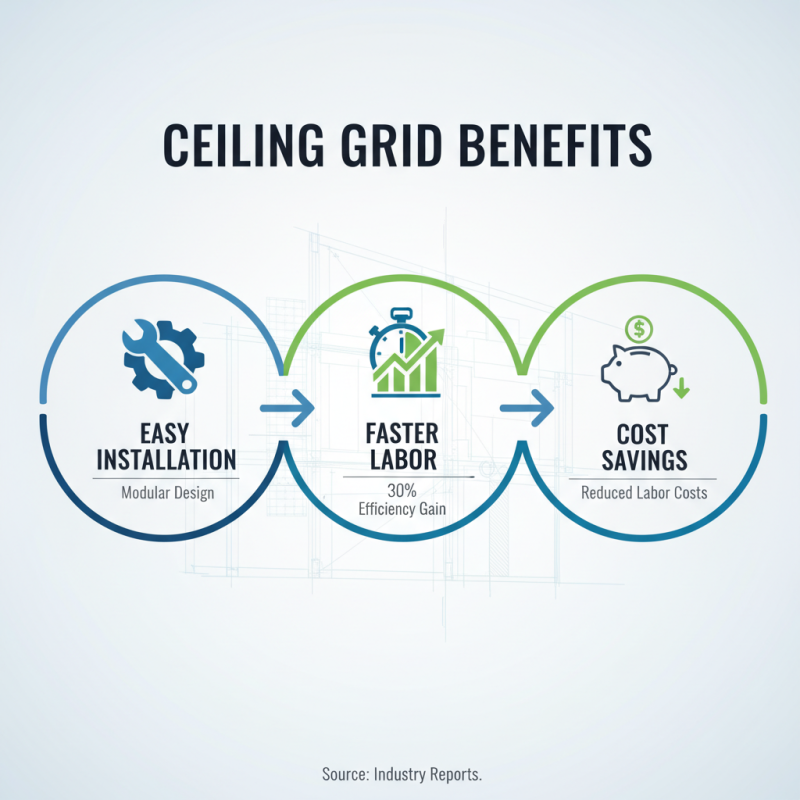
A ceiling grid system can greatly enhance construction projects. Its modular design simplifies installation, making it a favored choice among builders. According to industry reports, projects using a ceiling grid can increase labor efficiency by up to 30%. This reduction in labor time translates to significant cost savings, especially for large-scale developments.
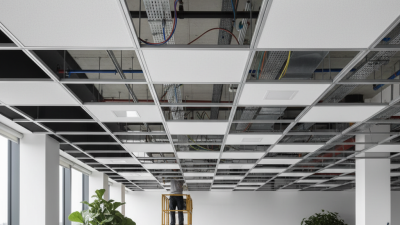
The flexibility of a ceiling grid allows for easy access to plumbing and electrical systems. This feature is crucial in maintenance, enabling quick repairs without extensive dismantling. A study by the Construction Industry Institute highlighted that ease of access can cut maintenance costs by 25%. Moreover, the aesthetic appeal of these systems offers various design options. They can accommodate different ceiling materials and finishes, fitting diverse project needs.
However, designers should be cautious with the choice of system. Poorly installed grids can lead to uneven surfaces. This might compromise the overall visual appeal and functionality. Regular reviews of installation techniques are necessary to maintain quality. By addressing these potential pitfalls, professionals can ensure that ceiling grids serve their purpose effectively while also meeting construction standards.
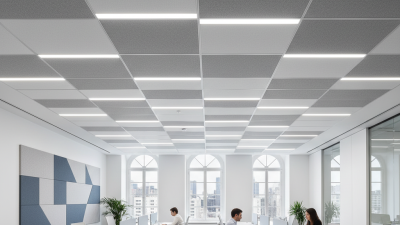
Ceiling grid systems offer a versatile and practical solution for various projects. When considering their key features, it's essential to focus on factors that contribute to functionality and aesthetics. One critical aspect is the material used. Most grid systems are made from aluminum or steel, known for their durability and resistance to corrosion, which ensures a longer lifespan.
Another feature worth noting is the ease of installation. According to industry reports, projects using ceiling grid systems can reduce labor costs by up to 20%. This efficiency comes from the straightforward assembly and accessibility for maintenance. Incorporating acoustic tiles in the grid can improve sound quality, which is particularly beneficial in offices and educational environments.
Tip: Prioritize designs that allow for future flexibility. This can enhance the space as needs evolve, reducing the likelihood of costly renovations.
Lighting integration is also essential. Grids can accommodate various lighting options, adding to the overall ambiance and functionality of the space. A well-considered layout can boost energy efficiency, potentially decreasing operational costs. However, it's crucial to avoid overcrowding the ceiling with fixtures, which can create a cluttered appearance.
Tip: Regularly evaluate the ceiling layout to ensure it meets the current needs without hindering future adaptability.
Ceiling grid systems are gaining traction in many sectors due to their flexibility and practicality. In commercial spaces like offices, hospitals, and schools, these systems offer significant advantages. A report from the International Association of Plumbing and Mechanical Officials suggests that 74% of facility managers appreciate the ease of access for maintenance that grid ceilings provide. This accessibility is crucial in high-traffic environments where electrical and plumbing systems are often hidden above.
In educational settings, acoustic ceiling tiles can improve sound quality and reduce noise levels, creating a better learning environment. Research indicates that a well-designed ceiling grid system can lead to a 40% reduction in ambient noise. This is essential for classrooms where concentration is key. The versatility of grid systems also extends to retail spaces, allowing for customized lighting and HVAC installations. In fact, statistics from the National Retail Federation highlight that effective store layouts, including ceiling systems, can drive sales increases by as much as 20%.
Despite the advantages, it's important to consider the challenges. Installation can be complex and may require specialized knowledge. Furthermore, poor design choices in grid layouts can lead to aesthetic issues. Balancing practicality, cost, and design can be difficult, but the potential rewards in functionality and client satisfaction are significant.
When installing a ceiling grid system, understanding the process is crucial. Ceiling grids offer flexibility and easy access to overhead spaces. According to data from the American Society of Interior Designers, 70% of commercial spaces benefit from such systems. These grids can accommodate various materials and are ideal for both aesthetic and acoustic control.
The installation process begins with measuring the area. It’s essential to map out where the grid will align with existing structures. The grid's main runners need to be spaced correctly for functionality. If the spacing is off, it can lead to uneven ceiling height or structural instability. Industry reports highlight that 15% of ceiling grid installations fail due to improper alignment. Precision is key.
Choosing the right materials is another consideration. Whether using vinyl, metal, or tiles, each material impacts sound absorption and visual appeal. One tip: don’t overlook the importance of lighting. Fixtures should align with the grid to avoid awkward shadows or uneven illumination. Some might rush this, leading to a less-than-ideal atmosphere. Reflecting on these factors can lead to a more successful ceiling project.
When considering a ceiling grid system, cost-effectiveness and long-term value are critical factors. These systems offer a flexible solution for various projects, from offices to retail spaces. Installation costs are lower than traditional ceilings. Installation can often be completed in a fraction of the time, saving labor costs. The initial investment is just the beginning. A well-installed ceiling grid can reduce maintenance costs significantly.
Ceiling grid systems are designed for durability and adaptability. This means they can accommodate changes in office layout or technology upgrades with ease. Over time, their modular nature can lead to savings not reflected in initial budgets. However, some may overlook the potential challenges. Careful planning is needed to avoid overcrowding or improper alignment. This can lead to costly retrofits later.
Additionally, the choice of materials can impact long-term value. Some materials resist moisture and wear better than others. Investing in higher-quality materials may seem daunting at first, but it pays off in the longer run. Reflecting on your choices could prevent issues down the line. The right ceiling grid system can enhance aesthetics while offering practical benefits.