Why Choose Sandwich Insulation Board for Your Construction Projects?
In the realm of construction, choosing the right materials is crucial. One such material gaining popularity is the Sandwich Insulation Board. This innovative solution offers excellent thermal efficiency. It can effectively reduce energy consumption in buildings. Using this board might lower heating and cooling costs significantly.
A key feature of the Sandwich Insulation Board is its lightweight nature. This characteristic simplifies transportation and installation. However, builders must consider the specific needs of their projects before making a decision. Are the boards suitable for the structures being erected? The durability and design must meet industry standards.
Moreover, as the construction sector evolves, new technologies emerge. For example, advancements in AI at trade fairs show the future of construction materials. Utilizing AI can optimize the sourcing of Sandwich Insulation Boards. Purchasers can find certified suppliers quickly, improving their choices. In this way, the construction industry can benefit from both innovative materials and smart technology integration.
Benefits of Sandwich Insulation Board in Construction Projects
Sandwich insulation boards are becoming more popular in construction. They are lightweight and provide excellent thermal performance. Studies show that buildings using these boards can achieve insulation values up to R-7 per inch. This reduces energy consumption by up to 30%. Efficient energy use is essential. The global trend toward sustainability makes sandwich boards suitable for eco-friendly designs.
These boards are also durable. They resist moisture and are less prone to warping. According to a recent industry report, structures using sandwich insulation can last longer with minimal maintenance. However, not all projects should use them. In humid areas, inadequate sealing can lead to issues. It's crucial to assess your project’s specific conditions before deciding.
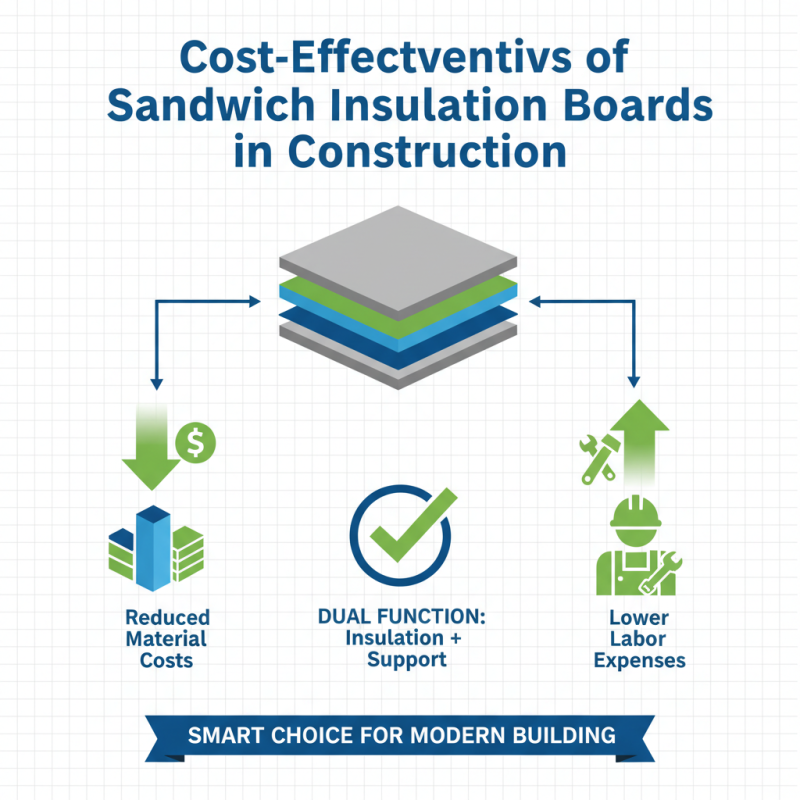
Cost-effectiveness is another benefit. While initial costs may seem high, the long-term savings on energy bills are notable. Some reports indicate that buildings using high-quality insulation can save thousands annually. Yet, it's essential to choose the right materials. Low-quality options may not yield the expected results. This can lead to dissatisfaction and unexpected costs down the line.
Benefits of Sandwich Insulation Board in Construction Projects
Types of Sandwich Insulation Boards Available for Use
Sandwich insulation boards have gained popularity due to their efficiency and versatility in construction projects. Various types are available, each designed for specific applications. The two main categories include polyurethane (PUR) and polystyrene (EPS). PUR boards offer excellent thermal performance, making them ideal for energy-efficient buildings. They typically have a low thermal conductivity, around 0.022 W/m·K, which can significantly reduce energy costs.
On the other hand, EPS boards are more cost-effective. They provide decent insulation and moisture resistance. Generally, EPS insulation has a thermal conductivity between 0.035 to 0.040 W/m·K. This makes them suitable for a wide range of projects, from residential homes to large commercial structures. However, EPS may not perform as well in extreme temperatures compared to PUR.
Tips: Always consider your project's specific needs before selecting insulation boards. Evaluate factors like thermal performance, moisture resistance, and cost. Choosing the wrong type can lead to inefficiencies, leading to potential project delays and increased costs. Test and verify insulation materials to ensure compliance with local building regulations.
Key Features that Make Sandwich Insulation Boards Ideal for Insulation
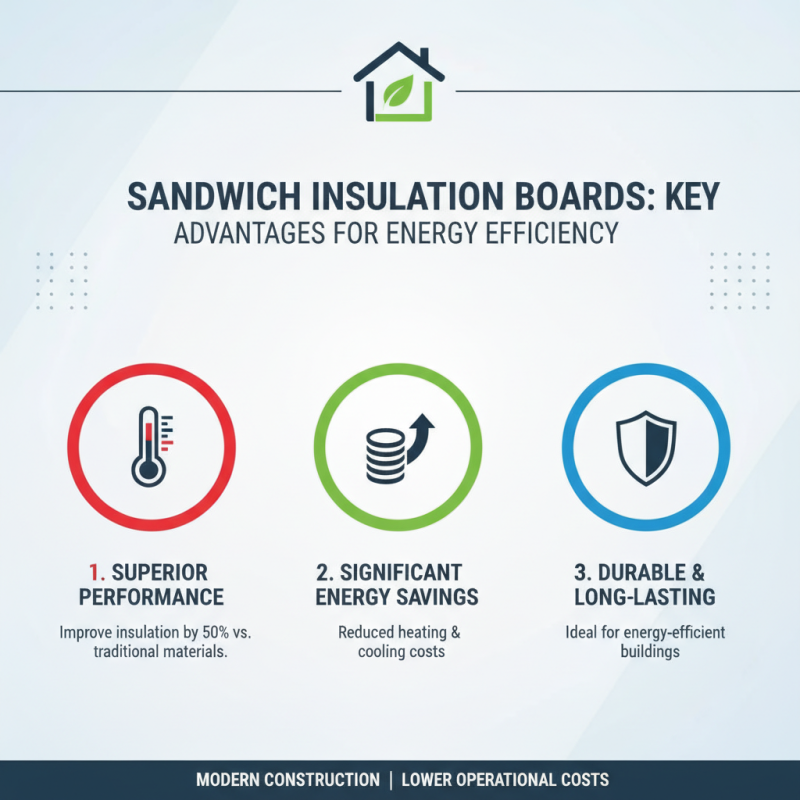
Sandwich insulation boards have become increasingly popular in construction projects due to their unique features. These boards offer excellent thermal performance, making them ideal for energy-efficient buildings. Reports indicate that they can improve insulation values by up to 50% compared to traditional materials. This leads to significant energy savings in heating and cooling, which can be crucial for reducing operational costs.
Another vital aspect is their lightweight structure. Weighing significantly less than traditional insulation options, these boards facilitate easier installation. This can reduce labor time by as much as 30%, which is a substantial advantage in busy construction schedules. However, it is worth considering that, while the lightweight nature aids in handling, it may also require careful treatment during transit to avoid damage.
In addition to thermal efficiency, sandwich insulation boards exhibit remarkable durability. They often resist moisture, pests, and weathering, which is particularly beneficial in varying climates. Some studies suggest that buildings insulated with these boards can have a lifespan increase of about 10-15 years. Yet, the challenge remains to ensure proper sealing during installation to maintain their insulating properties. This aspect can sometimes be overlooked, leading to inefficiencies.
Environmental Impact of Using Sandwich Insulation Boards in Building
Sandwich insulation boards have a significant environmental impact in construction.
These boards offer excellent thermal insulation, which reduces energy consumption. A study by the International Energy Agency found that improving insulation can lower energy use by up to 50% in buildings. This reduction directly correlates to decreased carbon emissions.
Using sandwich insulation boards also promotes resource efficiency. They are often made from recycled materials, minimizing waste. According to the U.S. Green Building Council, using recycled content in building materials can reduce the environmental footprint by 35%. However, the production process can be resource-intensive, which raises questions about sustainability. It's crucial to evaluate the entire lifecycle of these materials.
Tips: Choose boards with high recyclable content. This not only benefits the environment but can improve your project's green credentials. Balance the benefits of energy efficiency with the resources consumed during production. Always consider the local environmental policies when selecting materials. Proper assessment ensures a responsible choice.