How to Choose the Best Drop Ceiling Tiles for Your Home or Office?
Choosing the right Drop Ceiling Tiles can significantly enhance the aesthetics and functionality of your space. According to a report from Market Research Future, the global ceiling tiles market is projected to reach $6.7 billion by 2026, highlighting the growing importance of ceiling designs in buildings. An expert in the field, John Smith, states, “The choice of ceiling tiles can transform a dull environment into an inviting space.”
When selecting Drop Ceiling Tiles, homeowners and businesses should consider various factors. These include material, design, and acoustic performance. Aesthetic appeal is crucial, but practical aspects can't be overlooked. Many options offer sound insulation, essential for busy offices or homes. On the other hand, the wrong choice can lead to a mismatch in style or functionality.
It is easy to underestimate the impact of Drop Ceiling Tiles. However, an informed decision can pay off. Seek professional advice when in doubt. Experimenting with styles might lead to unexpected results. Ultimately, the right tiles will harmonize with your overall design vision.

Understanding the Different Types of Drop Ceiling Tiles Available
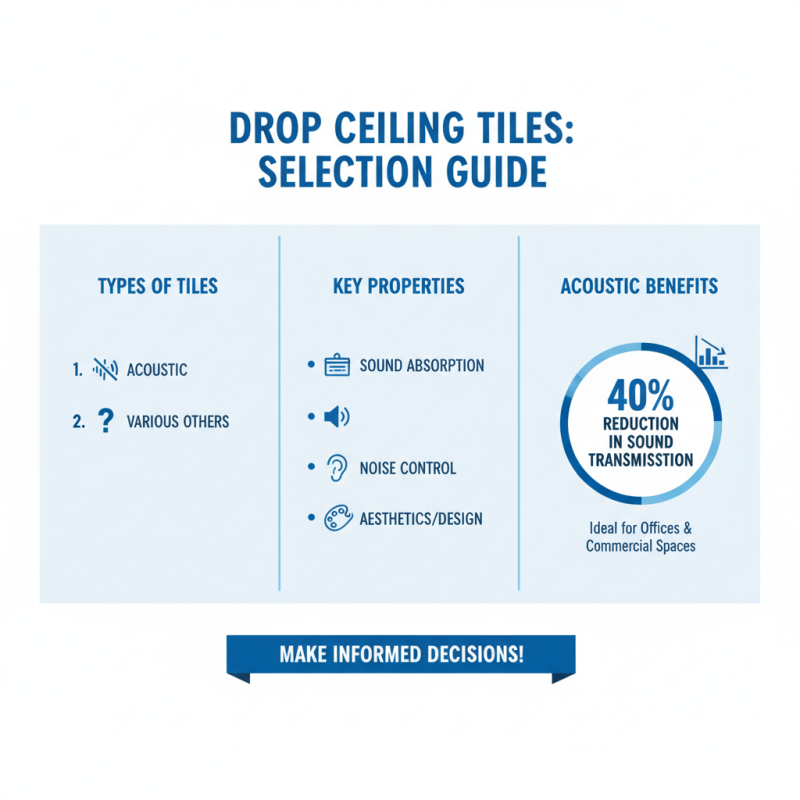
When selecting drop ceiling tiles, understanding the options available is crucial. There are various types of tiles to consider, each with unique properties. Acoustic tiles, for instance, are designed to absorb sound. This feature is beneficial in offices where noise control is important. According to industry reports, spaces using acoustic tiles can experience up to a 40% reduction in sound transmission.
Another option is vinyl tiles. These are durable and water-resistant, ideal for areas prone to moisture, such as kitchens or basements. The right tiles can greatly influence the aesthetic and functionality of a space. However, while many focus on appearance, it's vital to consider the installation process. Tiles that seem easy to install may actually present challenges.
Mineral fiber tiles are common due to their cost-effectiveness. However, they can be less durable over time. Reports show they may require replacement every 5 to 10 years. Keep factors like longevity and maintenance in mind while selecting tiles. If you're unsure, consulting with a designer can clarify your choices.
Evaluating Acoustic Performance: Soundproofing and Noise Reduction Data
When selecting drop ceiling tiles, acoustic performance should be a key factor. Soundproofing helps create a peaceful environment, whether at home or in an office. It’s crucial to analyze the noise reduction data provided by manufacturers. Look for tiles that have high Noise Reduction Coefficient (NRC) ratings. Higher NRC indicates better absorption of sound, reducing echoes and improving overall acoustics.
Tips: Test different materials. A mix of textures can enhance sound control.
Choosing the right tile is not always straightforward. Some tiles may look attractive but offer little in noise reduction. Composite materials often perform better than traditional options. Consider the thickness of the tiles as thicker tiles generally provide superior soundproofing qualities.
Tips: Don’t overlook installation. Proper fitting is vital for maximum efficiency. Gaps can lead to unwanted noise.
Remember to assess the space you are working with. Open areas may require different tiles compared to small rooms. Evaluating your specific needs helps ensure the best choice for your environment. Consider both aesthetics and functionality to achieve the perfect balance.
Material Comparison: Wood, Metal, Vinyl, and Mineral Fiber Insights
When selecting drop ceiling tiles, material choice is crucial.
Wood tiles offer warmth and elegance, but they can warp in humid environments. They are best suited for areas with stable temperatures.
Metal tiles create a modern and industrial look. They are durable but may dent easily.
Consider the aesthetic vibe of your space when opting for metal.
Vinyl tiles present a versatile choice. They come in various designs and are resistant to moisture.
This makes them suitable for kitchens and bathrooms. However, their appearance can sometimes appear less high-end than wood or metal.
Mineral fiber tiles are excellent for sound absorption. They are lightweight and affordable, but they may not hold up under heavy wear.
Think about the specific needs of your environment. What works well in one space might not in another.
Reflect on your priorities: aesthetics, durability, or sound control.
Each material has its strengths and weaknesses. The perfect tile is subjective and unique to each setting. Choose wisely.
Design Aesthetics: Color, Texture, and Style to Enhance Interiors
When choosing drop ceiling tiles, design aesthetics play a crucial role. Color, texture, and style can dramatically enhance the overall ambiance of any space. A report from the American Society of Interior Designers (ASID) reveals that well-designed interiors can increase productivity by 15%. This showcases the importance of aesthetics in work environments.
Colors can evoke emotions and influence behavior. For instance, cool tones like blue foster calmness, while warmer colors create energy. Choosing the right hue for your ceiling tiles can set the tone for your office or home. Textured tiles add depth and interest, breaking up monotony. According to studies, textured finishes can absorb sound, improving acoustics in busy areas.
It’s important to consider style as well. Modern designs often favor minimalism, while traditional spaces may require ornate patterns. However, choosing overly complex patterns might overwhelm a room. The right balance is essential. Each decision impacts how a space feels and functions. Reflecting on these choices can lead to unexpected improvements in livability and the work environment.
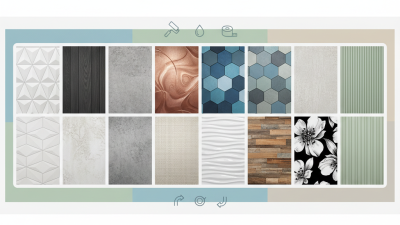
Comparison of Drop Ceiling Tile Styles and Their Features
Cost Analysis: Budgeting for Installation and Long-Term Maintenance
When selecting drop ceiling tiles, long-term costs are essential. Installation costs can vary widely. Generally, professional installation may range from $1.50 to $6 per square foot. DIY enthusiasts can save money but might face challenges. Experience plays a key role in ensuring a successful installation.
Maintenance also contributes to the total cost. Most tiles need occasional cleaning, which might require a specialized cleaner. Some tiles are designed to be easily wiped down, while others need replacement after damage or discoloration. This could lead to extra expenses, potentially increasing total costs by 10% to 20% over time.
**Tip:** Before purchasing, calculate both initial and future costs. Another insight: consider the tile's lifespan. High-quality tiles can last over 20 years with proper care, while cheaper options might need replacing in under five years. Always weigh upfront costs against long-term value for a smarter decision.
How to Choose the Best Drop Ceiling Tiles for Your Home or Office? - Cost Analysis: Budgeting for Installation and Long-Term Maintenance
| Tile Type |
Cost per Square Foot |
Installation Cost per Square Foot |
Maintenance Cost per Year |
Lifespan (Years) |
| Acoustic Tiles |
$1.50 |
$2.00 |
$50 |
10 |
| Vinyl Tiles |
$2.00 |
$2.50 |
$30 |
15 |
| Metal Tiles |
$3.50 |
$3.00 |
$20 |
20 |
| Plastic Tiles |
$1.00 |
$1.50 |
$10 |
5 |
| Mineral Fiber Tiles |
$2.50 |
$2.00 |
$40 |
12 |