How to Choose the Best Drywall Suspension Grid for Your Project?
When embarking on a drywall installation project, selecting the right Drywall Suspension Grid is crucial. Industry expert Mark Thompson states, "A strong grid lays the foundation for a flawless finish." The right grid not only supports the drywall but also ensures durability and aesthetic appeal.
Choosing a Drywall Suspension Grid requires careful consideration. Many factors influence the decision, such as weight capacity, ease of installation, and compatibility with various ceiling types. Some options may seem appealing at first but may not hold up over time. Every detail matters in the grid selection, from material quality to design aesthetics.
Navigating the myriad options can be overwhelming. Incomplete knowledge can lead to poor choices. Therefore, understanding the specific needs of your project is essential. Consulting with professionals can provide clarity. As you explore options, remember that a well-chosen Drywall Suspension Grid enhances both functionality and design.

Understanding Different Types of Drywall Suspension Grids Available
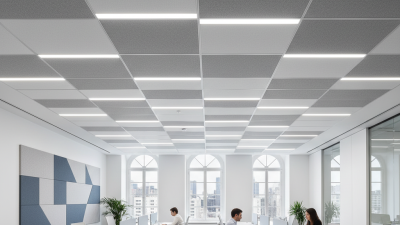
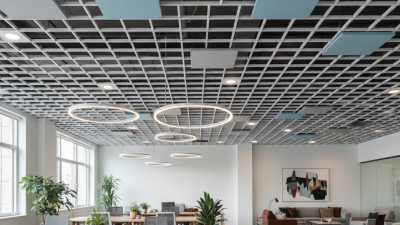
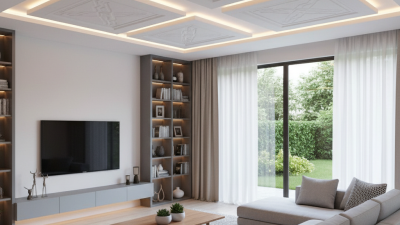
When selecting a drywall suspension grid, understanding the different types available is crucial. There are three main categories: exposed grid, concealed grid, and linear ceiling systems. Exposed grids are common due to their ease of installation and cost-effectiveness. According to industry reports, they account for over 70% of all grid systems used in commercial applications. Concealed grids provide a cleaner appearance and are favored for high-end projects, although they may require more skilled labor.
A key aspect to consider is the weight capacity of the grid. Most grids can support around 15 pounds per square foot, but this varies. Heavy light fixtures or HVAC systems can easily exceed this limit. It's impactful to think about the final look and functionality when choosing your system.
Tips: Always check for local building codes that might affect your choice. Some projects may benefit from soundproofing features, making specialized grids more desirable. Investing in quality materials often saves time and reduces long-term maintenance costs. Consider the installer’s experience too, as skilled labor can significantly enhance the installation process and overall functionality.
Assessing the Load-Bearing Capacity for Your Specific Project Needs
When selecting a drywall suspension grid, evaluating load-bearing capacity is essential. Different projects have varying requirements. A reliable analysis ensures the grid can support the drywall without sagging or collapse.
Industry reports indicate that a standard drywall panel weighs about 2.2 pounds per square foot. For instance, a 12-foot by 12-foot ceiling area requires careful calculation. The total weight is approximately 316 pounds. The chosen suspension grid must accommodate this load while considering additional factors, such as lighting or HVAC elements.
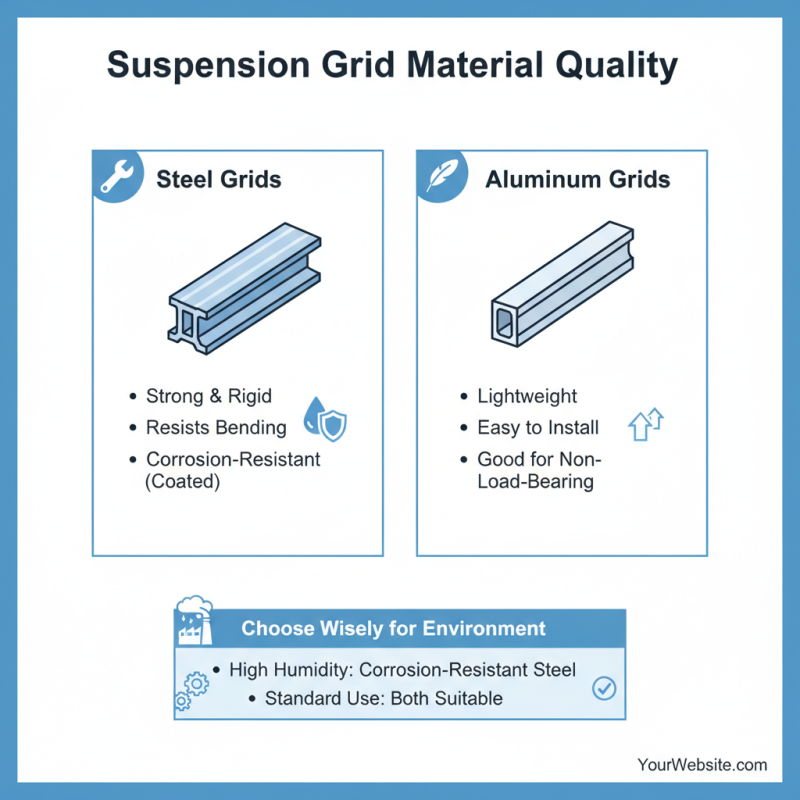
Additionally, not all materials offer the same strength. Steel grids provide better durability than aluminum but may be heavier. For large commercial spaces, using grids that exceed the calculated load by 20% is prudent. This margin allows for adjustments during installation. Monitoring local building codes is also crucial. Failing to match load specifications with the grid can lead to structural issues. With meticulous assessment, choosing the right suspension grid can significantly enhance the project's longevity.
Evaluating Material Quality and Durability of Suspension Grids
When evaluating the material quality of drywall suspension grids, several factors come into play. The core material, typically steel or aluminum, impacts durability. High-quality steel grids resist rust and bending. On the other hand, aluminum grids are lightweight but might lack strength. Always choose the right material for the specific environment. Consider usage in areas with high humidity, where corrosion-resistant options are essential.
Durability is also influenced by design and construction. Some grids feature pre-painted finishes that withstand wear and tear. Check for any certifications or compliance with safety standards. These indicators can provide peace of mind regarding long-term performance. Beware of overly lightweight grids that may not hold up under stress. Balancing weight and strength is a critical consideration.
Finally, installation plays a significant role too. A well-installed grid can last longer, even when using budget-friendly materials. Skilled installers ensure that the grid system can accommodate various ceiling tiles without sagging. Reflect on your project’s demands to choose wisely. Understanding these nuances can lead to a more successful outcome.
Considerations for Installation Ease and Adjustability Features
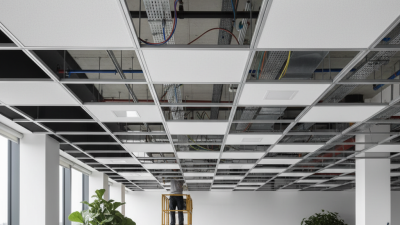
When selecting a drywall suspension grid, installation ease and adjustability are essential. A complex grid can lead to frustration, especially for beginners. Look for systems that allow for flexible adjustments. This feature is vital for achieving a level ceiling.
Tips: Consider grids with pre-cut lengths. They can save time and reduce errors. Also, systems that allow for quick installation can promote a smoother workflow. Try to avoid grids that require excessive handling. They can complicate the process.
Ensure the grid can accommodate adjustments during installation. An adjustable system helps in aligning panels properly. This capability can prevent future issues like sagging, which is frustrating. Always assess how the system's design affects assembly. Sometimes, simpler designs yield better results. Being aware of potential pitfalls makes for a more efficient build.
Drywall Suspension Grid Features Comparison
Comparing Costs and Budget Constraints for Quality Suspended Grids
When planning a drywall project, cost is a critical factor. Traditional suspended grids can vary significantly in price, often ranging from $0.50 to $2.00 per square foot. According to the National Association of Home Builders, labor costs can also add 20-30% to the overall budget. Thus, understanding both materials and installation expenses is essential for accurate budgeting.
Quality should not be sacrificed for cost. Some budget options may lead to higher long-term repair costs. A report from the Gypsum Association indicates that lower-quality grids can result in sagging. This compromises both aesthetics and functionality. On the other hand, investing in durable grids can enhance the lifespan of a ceiling.
Evaluating the project scope is paramount. For larger spaces, the savings on bulk purchases may significantly reduce costs. Yet, if the layout is complex, you might need to hire professionals for installation. This decision impacts your budget. Balancing initial costs with anticipated longevity requires thoughtful consideration. Ensuring that you choose a reliable suspension grid can lead to a satisfactory outcome in both performance and aesthetics.