How to Choose the Best Suspended Ceiling Grid Types?
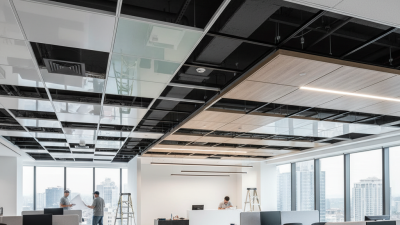
When considering a renovation or new construction project, selecting the right suspended ceiling grid types can be a daunting task. These grids not only influence the aesthetics of a space but also its functionality. They can affect sound quality, lighting, and insulation. Each type serves different purposes and has unique characteristics, making it vital to understand the options available.
Understanding the various suspended ceiling grid types is crucial for a successful installation. Grid systems come in different materials, sizes, and designs. You might lean towards a vinyl-coated grid for moisture resistance or a metal grid for durability. Each choice impacts installation methods and overall performance.
Evaluating your specific needs can guide you in making an informed decision. Consider the room's purpose, environmental factors, and your budget. Don't forget to reflect on whether you'll be comfortable with your choice in the long run. The right grid will enhance the space, but the wrong selection can lead to dissatisfaction. This process may require time and research, but it ensures you invest wisely in an essential aspect of your interior design.
Understanding the Basics of Suspended Ceiling Grids
Suspended ceiling grids are essential in modern construction. They support ceiling tiles and provide a space for utilities. Understanding their basics helps in making informed choices.
Ceiling grids typically come in two types:
exposed and concealed.
Exposed grids are visible, offering a more industrial look. They are easy to install and replace. Research from the Ceilings and Aesthetics Institute notes that nearly 60% of commercial spaces opt for exposed grids due to their practicality.
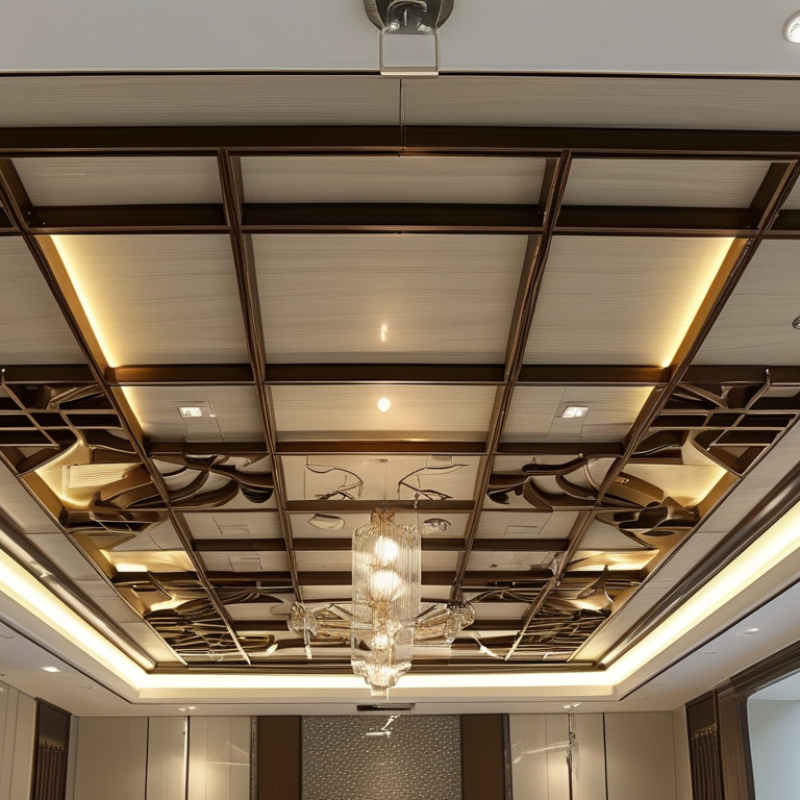
On the contrary, concealed grids hide the supporting framework. This offers a cleaner aesthetic, ideal for high-end environments.
Ceiling grid materials also matter. Common options include metal, vinyl, and mineral fiber. Metal grids are durable and resistant to moisture, making them suitable for humid spaces. According to a recent industry analysis, about 40% of suspended ceilings fail due to inadequate moisture handling, which underscores the importance of material selection. While aesthetics and durability are key, understanding installation and maintenance needs is crucial. Reflecting on these aspects will aid in making a wise decision.
Key Factors to Consider When Choosing Ceiling Grid Types
When selecting the right suspended ceiling grid, several key factors come into play. The type of grid you choose can significantly affect both aesthetics and functionality. Look at the room size and purpose. Larger rooms may benefit from a robust grid that offers additional support. For spaces with high traffic, consider grids designed for durability.
Material quality is another crucial consideration. Steel grids are strong and offer longevity, while aluminum grids are lightweight and resistant to corrosion. Think about installation ease as well. Some grids require advanced skills, which might lead to extra labor costs. Carefully evaluate your budget. Do not overlook the acoustic properties either; specific grids can enhance sound absorption.
Lighting compatibility can influence your choice. Make sure your ceiling grid allows for the type of fixtures you plan to use. Not all grids are versatile with varied lighting solutions. Visualize how your final ceiling will look, taking into account the grid's impact on the overall design. Reflection is key here—are you ready to balance aesthetics with practical needs?
How to Choose the Best Suspended Ceiling Grid Types? - Key Factors to Consider When Choosing Ceiling Grid Types
| Grid Type |
Material |
Load Capacity |
Installation Method |
Cost |
Finish Options |
| T-Bar |
Steel |
Medium |
Suspended |
$1.00 - $3.00 per sq. ft. |
Painted, Metallic |
| Flush Clip |
Aluminum |
High |
Clip-mounted |
$2.50 - $5.00 per sq. ft. |
Satin, Brushed |
| Slot Grid |
Galvanized Steel |
Medium |
Suspended |
$1.50 - $4.00 per sq. ft. |
Powder Coated |
| Exposed Structure |
Wood |
Low |
Visible |
$3.00 - $6.00 per sq. ft. |
Natural Finish, Stained |
Comparing Different Materials Used in Ceiling Grids
When selecting suspended ceiling grid types, understanding the various materials is crucial. Common materials include steel, aluminum, and mineral fiber. Steel grids are durable and often coated for corrosion resistance. They provide an excellent lifespan, making them a popular choice in commercial spaces. Reports indicate that 67% of building owners prefer steel due to its strength.
Aluminum grids are lightweight and resistant to corrosion. They are ideal for environments with high humidity. According to industry research, 55% of architects favor aluminum for its aesthetic flexibility. It can be easily painted or finished, allowing for creative designs in interior spaces. However, the slightly higher cost can deter some budget-conscious projects.
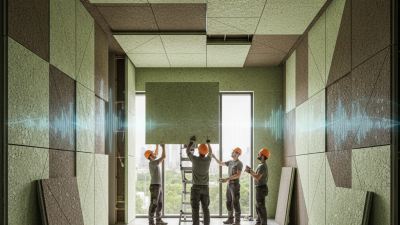
Mineral fiber materials offer sound absorption benefits. They are effective in office settings, helping reduce noise pollution. Some studies reveal that 50% of employees report increased satisfaction in quieter workplaces. However, mineral fiber can be less durable than metal options. Understanding each option’s strengths and limitations is key. Balancing cost, durability, and aesthetics is imperative for an effective ceiling grid choice.
Installation Processes for Various Ceiling Grid Systems
When choosing a suspended ceiling grid,
understanding the installation processes is crucial. Different grid systems have unique requirements.
For example, traditional T-bar grids are relatively simple.
They hang from the ceiling with wires, making it easy to install acoustic panels. This method is familiar
to many professionals, ensuring a swift installation process. However, it demands precise measurement to avoid misalignment,
which can affect aesthetic appeal.
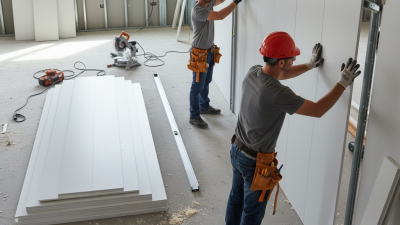
On the other hand, drywall grid systems have a complicated setup.
These grids integrate seamlessly with walls, creating a finished look. The installation requires cutting
and fitting pieces together, which can be time-consuming. Additionally, ensuring proper support for the
drywall is vital. Keep in mind, many installers find this method challenging. It may lead to mistakes if
not executed carefully.
Another type, the direct-attach ceiling, offers an alternative
way to save time. It involves adhesive methods that can seem straightforward. However, the technique
requires careful surface preparation. A poorly prepared
surface can lead to failure in the long run. Evaluating the pros and cons of each system will help in
making an informed choice. Each process comes with its own set of challenges and rewards.
Maintenance Tips for Sustained Performance of Ceiling Grids
Maintaining suspended ceiling grids is crucial for their durability and effectiveness. Regular inspection is vital. Look for any signs of wear or damage. A simple check can save money in replacements later. Dust and debris can accumulate over time, affecting performance. Keeping the grids clean ensures better air quality and lighting.
Consider these tips for maintenance.
First, use a soft cloth or vacuum attachment to remove dust. Do this every few months.
Second, check for loose connections. Tightening them promotes stability and prevents sagging. It's easy to overlook these details, yet they have a big impact.
Lastly, be aware of the acoustic panels. Water damage could lead to mold. Inspect regularly, especially in high-moisture areas. If you notice discoloration, address it quickly. Though these grids are sturdy, neglect can lead to bigger problems. Remember, small efforts in maintenance lead to sustained performance.