How to Choose Ceiling Tiles For Drop Ceiling Options?
Choosing the right ceiling tiles for drop ceiling can greatly impact the overall look of a room. With various options available, it’s important to consider style, durability, and budget. The selection process can be overwhelming, but with a clear understanding of your needs, it becomes manageable.
Ceiling tiles for drop ceiling come in many styles and materials. You might prefer classic acoustic tiles, or go for something more modern. Each choice has benefits and drawbacks. For instance, some tiles enhance sound absorption but may lack visual appeal. Others may look stunning but not perform as expected.
It's essential to reflect on your space's requirements. Why does the ceiling matter? A beautiful ceiling can elevate a room. However, you might find yourself drawn to a tile that doesn’t fit your budget or functionality. Balancing aesthetics and practicality is key. Take the time to explore options and think critically about your final choice.

Understanding the Different Types of Ceiling Tiles for Drop Ceilings
When selecting ceiling tiles for drop ceilings, it is crucial to understand the different types available.
Acoustic tiles are popular for their sound absorption qualities.
They can reduce noise significantly, improving comfort in commercial spaces. According to a study by the
American Society of Interior Designers, acoustic tiles can lower noise levels
by up to 60%. This is especially beneficial in busy environments.
Another option is vinyl-faced tiles, which are durable and moisture-resistant.
They are ideal for areas with high humidity, such as kitchens and bathrooms. These tiles can last longer than other types,
but they may also be more expensive. Some reports indicate that vinyl tiles can be up to 30%
pricier than standard options. A balance between cost and functionality should be considered.
Mineral fiber tiles are often lightweight and easy to install.
They come in various designs and are generally cost-effective. While they are suitable for most applications,
they can absorb moisture, leading to potential mold issues. According to industry data, about 15%
of users faced such concerns with mineral fiber tiles. Therefore, thorough evaluation is vital when choosing
the right type for your needs.
Evaluating Acoustic Performance in Ceiling Tiles for Optimal Sound Quality
Choosing the right ceiling tiles for a drop ceiling can significantly impact acoustic performance. Sound quality is crucial in spaces like offices, schools, or theaters. There are various tile options available, and understanding their acoustic properties is essential.
When selecting tiles, consider the Noise Reduction Coefficient (NRC) rating. Higher NRC values indicate better sound absorption. This is vital in minimizing echoes and distractions. Also, think about the density of the tiles. Denser materials often provide better sound quality but can be heavier and harder to install.
Tips for choosing:
- Test samples in your space.
- Pay attention to tile thickness.
- Explore various textures and finishes.
Aesthetics matter, but don't overlook sound quality. Tiles that look good may not perform well acoustically. Reflect on balance—the right choice enhances both beauty and function. Sometimes, it's worth compromising on style for better sound absorption.
Consider how sound travels in your environment. Every detail can make a difference.
Exploring Aesthetics: Design and Texture Options for Ceiling Tiles
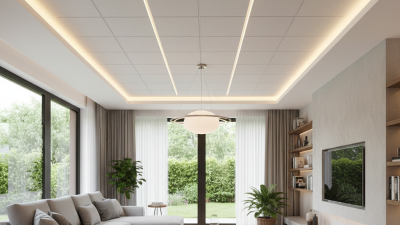
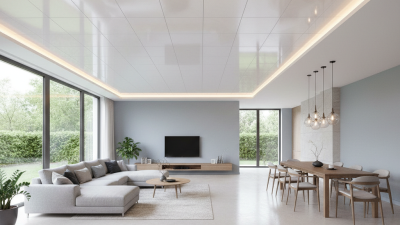
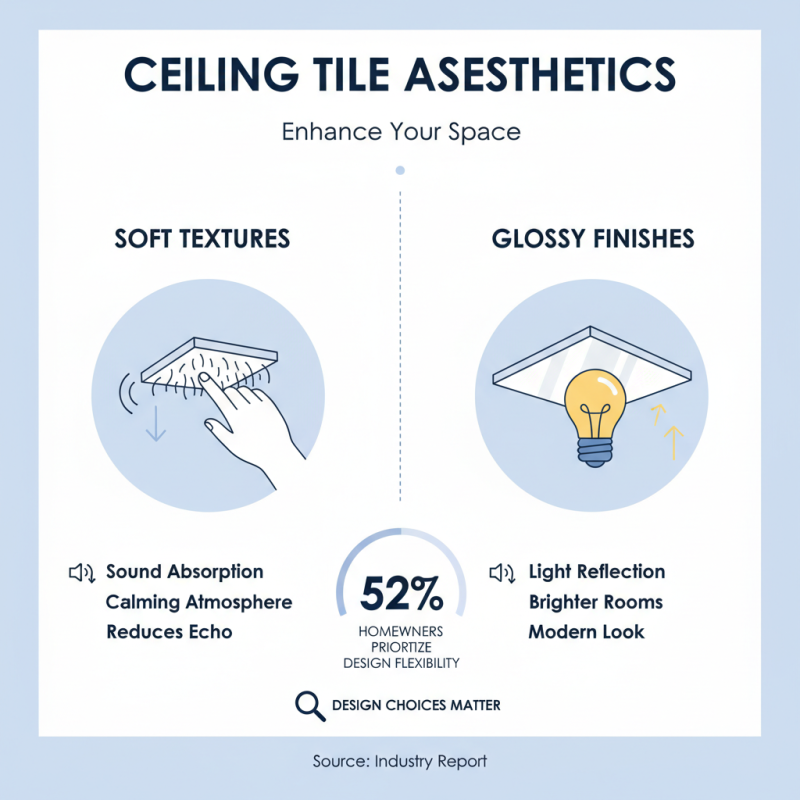
When selecting ceiling tiles for drop ceilings, aesthetics play a crucial role. The design and texture of ceiling tiles significantly influence the overall ambiance of a space. A recent industry report indicates that about 52% of homeowners prioritize design flexibility in their ceiling choices. Soft textures can absorb sound, creating a calming atmosphere. Conversely, glossy finishes can reflect light, brightening up a room.
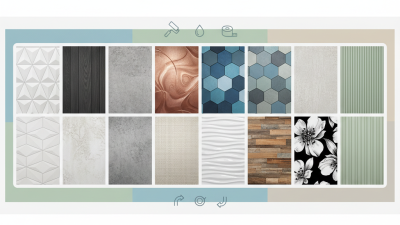
Choosing the right texture is essential for functionality and aesthetics. Textured tiles can hide imperfections, while smooth finishes offer a sleek look. Some designs, like geometric patterns, are trending, bringing a modern flair. However, not all textures are created equal. Some might collect dust more easily, requiring more maintenance. Balancing beauty with practicality can be challenging.
Additionally, the color of the tiles can affect perception. Light colors can make a room feel larger, while darker shades add depth. Yet, trends evolve. What’s stylish today might not resonate in a few years. It’s essential to consider personal taste and potential future changes in design preferences. Ultimately, selecting ceiling tiles should be a thoughtful process, merging personal style with functionality.
Assessing Cost-Effectiveness and Installation Requirements of Ceiling Tiles
Choosing ceiling tiles for a drop ceiling involves understanding cost-effectiveness and installation needs. The price can vary greatly. Basic tiles are more affordable but may not offer the aesthetic appeal you desire. High-end tiles look great but are costly. Consider your budget carefully.
Installation is another key factor. Some tiles are easier to install than others. Grid systems are often straightforward, but heavy or intricate tiles can be challenging. You might need extra tools or help. Evaluate your skill level before starting.
Remember that not every tile works for every space. Moisture-prone areas may require special tiles. Look for options with adequate durability. Reflecting on these details ensures better decision-making. Consider the long-term implications of your choice. Will you want a change down the line? Be mindful of that.
How to Choose Ceiling Tiles For Drop Ceiling Options?
| Tile Material |
Cost per Tile |
Installation Difficulty |
Durability |
Sound Absorption |
| Mineral Fiber |
$1.00 - $3.00 |
Easy |
Moderate |
Good |
| PVC |
$2.50 - $5.00 |
Moderate |
High |
Excellent |
| Acoustic Tile |
$2.00 - $4.00 |
Easy |
Moderate |
Very Good |
| Gypsum Board |
$5.00 - $8.00 |
Difficult |
High |
Fair |
| Metal Panel |
$4.00 - $10.00 |
Moderate |
Very High |
Fair |
Maintenance and Longevity: Choosing Durable Ceiling Tiles for Longevity
When selecting ceiling tiles for drop ceilings, durability is essential. The right choice can significantly impact maintenance and longevity. It’s important to consider the environment where the tiles will be installed. For example, areas with high humidity require more resilient materials. Tiles made from vinyl or mineral fiber can withstand moisture. They help prevent issues like mold or warping.
However, even durable options can have drawbacks. For instance, heavy tiles may be more challenging to install. Careful planning is necessary to ensure proper support. Choosing the right suspension system is crucial for heavy tiles. Lightweight tiles are easier to work with, but they might not last as long. Evaluating your priorities can help make the best choice.
Cleaning is another aspect to consider. Some tile materials may stain easily, while others resist dirt better. Regular maintenance is still required to keep your ceiling looking fresh. You might find some tiles are easier to clean than others. Reflecting on the cleaning process might save time in the long run. Ultimately, balancing durability with practical needs can lead to a satisfactory outcome.
Durability Comparison of Ceiling Tile Materials