How to Choose Floating Ceiling Tiles for Your Space?
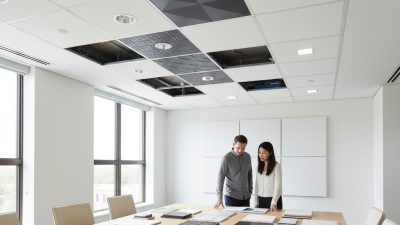
Choosing the right floating ceiling tiles can significantly enhance the aesthetics and functionality of a space. Industry expert, Michael Anderson, states, "The right tiles can transform a dull room into an inspiring environment." According to a recent report by the Ceilings and Interior Systems Construction Association (CISCA), around 30% of commercial spaces are now utilizing floating ceiling designs. This shift indicates a growing appreciation for their versatility.
Floating ceiling tiles offer various options in terms of materials, styles, and acoustic properties. They provide not only visual appeal but also effective sound dampening. However, many still struggle to select the best tiles. This confusion can lead to poor decisions. Choosing tiles that mismatch the overall design or function of a room can result in wasted resources and dissatisfaction. The market is flooded with choices, making careful consideration essential.
Moreover, the installation process is another factor that often complicates this decision. Improper installation can negate the benefits of floating ceiling tiles. As you explore options, take the time to reflect on your specific needs and the intended atmosphere for your space. This will help ensure that your choice of floating ceiling tiles aligns with your vision.
Types of Floating Ceiling Tiles and Their Applications
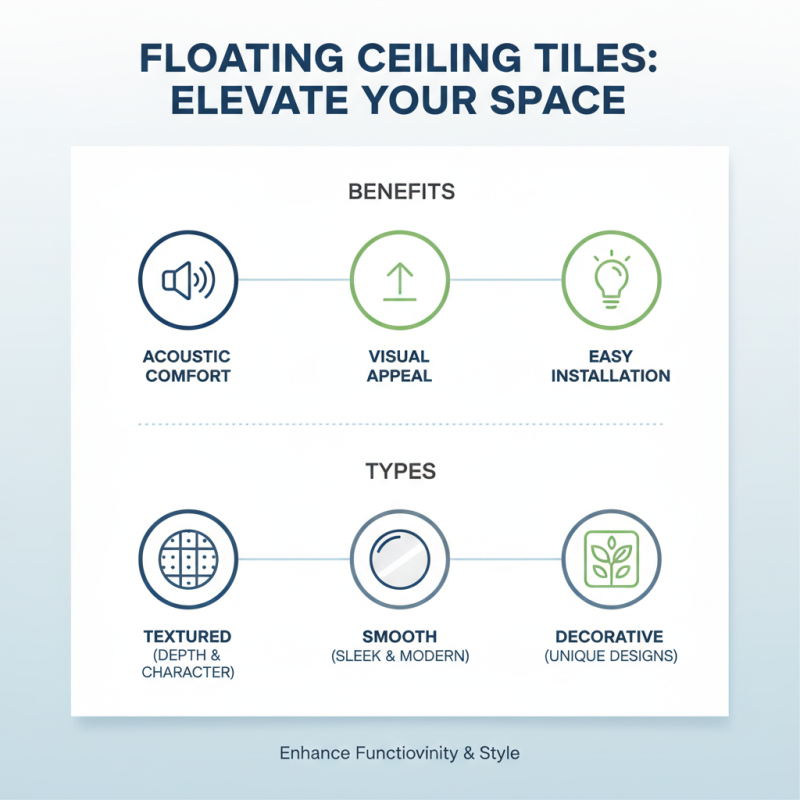
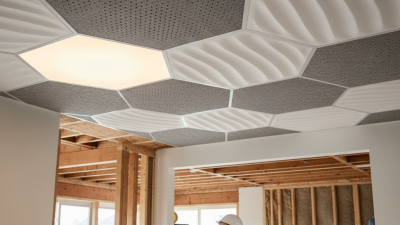
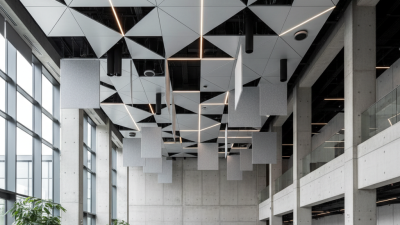
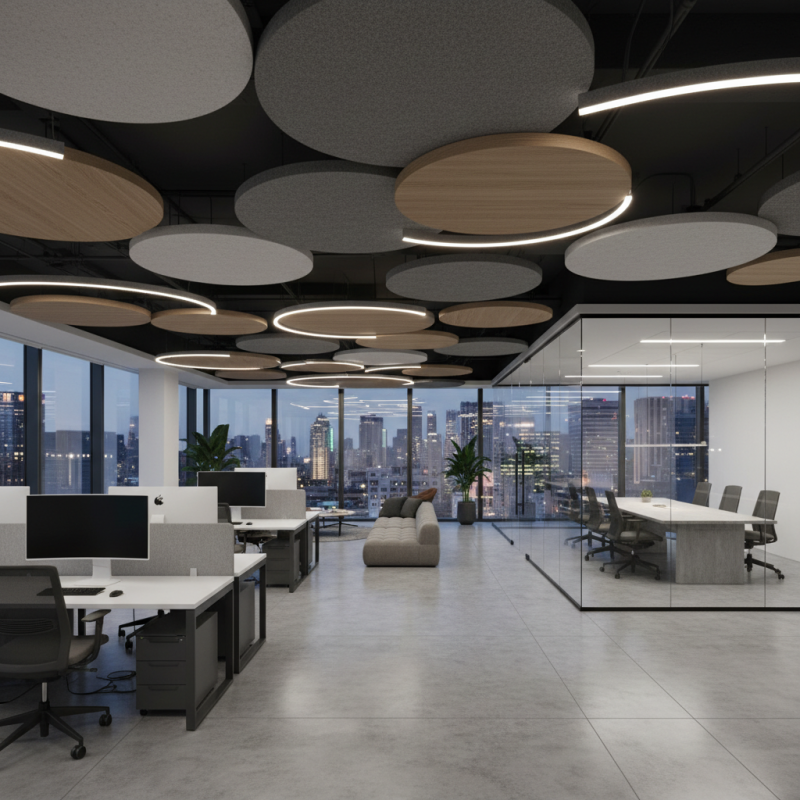
Floating ceiling tiles provide an excellent way to enhance your space. Various types cater to different needs. Some are designed for acoustic benefits, while others focus on aesthetics. Textured tiles can add depth to a plain room. Smooth finishes tend to create a sleek, modern look.
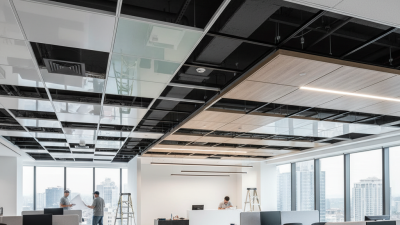
When selecting tiles, think about the room's purpose. For office spaces, acoustic tiles can reduce noise. In contrast, decorative tiles suit living areas. They can transform a standard ceiling into a focal point. Measure your space accurately before buying. Mistakes in dimensions can lead to wasted time and money.
Consider installation complexity. Some tiles are easy for DIY projects. Others may require professional help. Even the best-looking tiles might not fit well. It's essential to prioritize fitting over appearance. Think about maintenance too. Some materials show stains more easily than others. Reflect on these factors before making your choice.
Factors to Consider Before Choosing Floating Ceiling Tiles
When choosing floating ceiling tiles, several factors come into play. The aesthetics of your space is crucial. Consider your decor style. Tiles come in various colors and textures. For a modern look, go for smooth finishes. For a rustic touch, textured options work great.
Another important factor is sound absorption. This can make or break the comfort of a room. Look for tiles designed to reduce noise. This is particularly beneficial in offices or schools. Don't overlook the importance of installation. Some tiles are easier to install than others. Ensure you have the right tools and skills for the task.
Tips: Measure your space carefully before purchase. This ensures you buy the right amount. Check the room's lighting too. Proper lighting can change how tiles appear. Lastly, think about maintenance. Some materials are easier to clean than others. Remember, investing time in research will pay off in the long run.
How to Choose Floating Ceiling Tiles for Your Space? - Factors to Consider Before Choosing Floating Ceiling Tiles
| Factor |
Description |
Recommended Materials |
Typical Applications |
| Aesthetics |
Consider the overall design and color scheme of the room. |
Vinyl, Gypsum |
Residential and Commercial Spaces |
| Acoustic Properties |
Evaluate how sound insulation is necessary for the space. |
Mineral Fiber, Acoustic Tiles |
Theaters, Classrooms, Offices |
| Moisture Resistance |
Determine the level of humidity and moisture exposure. |
PVC, Metal Ceiling Tiles |
Kitchens, Bathrooms, Indoor Pools |
| Fire Rating |
Assess the fire safety requirements for the specific area. |
Class A Rated Tiles |
Commercial Buildings, Schools |
| Ease of Installation |
Consider how easy it is to install and maintain the tiles. |
Lightweight Tiles, Drop-In Systems |
DIY Projects, Quick Renovations |
Aesthetic Considerations in Floating Ceiling Tile Selection
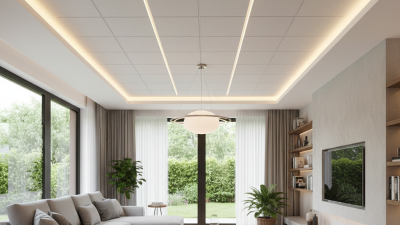
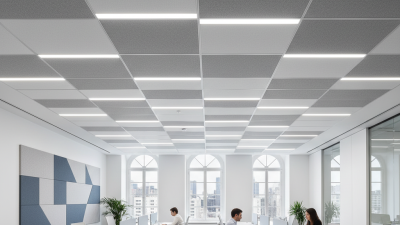
When selecting floating ceiling tiles, aesthetics play a crucial role. The right tiles can transform a dull space into something vibrant. Consider the overall style of your room. Are you aiming for modern sophistication or a cozy atmosphere? The texture and color of the tiles can significantly impact the room's feel.
Tips: Choose colors that complement your walls. Neutral shades can create a calm effect, while bold colors add energy. Mix textures to create depth and interest. For instance, combining smooth and patterned tiles can elevate the space.
Lighting is another important factor. Floating ceiling tiles can reflect light, enhancing brightness. Think about how natural and artificial light will interact with the tiles. Arrange your lighting strategically to highlight your ceiling.
When designing your ceiling, don't forget about proportions. Large tiles in a small room might overwhelm it. On the flip side, small tiles in a vast space could feel insignificant. Test samples before making a decision to ensure they fit well visually. Each choice should resonate with your space’s personality.
Floating Ceiling Tile Aesthetic Considerations
Installation and Maintenance Tips for Floating Ceiling Tiles
When installing floating ceiling tiles, proper attention to detail is crucial. The average lifespan of these tiles can range from 15 to 25 years, depending on material quality. It's important to choose tiles suited for your environment. For instance, moisture-resistant options are ideal for bathrooms or kitchens. A recent study indicates that nearly 30% of ceiling tile failures are due to poor installation or inadequate maintenance.
Maintenance is equally vital. Regular cleaning with a soft cloth can prevent dust buildup. Additionally, check for any damage regularly, as minor issues can escalate. An industry report shows that neglecting maintenance can reduce the lifespan of ceiling tiles by up to 40%. Addressing repairs promptly can save time and money in the long run.
Consider air quality as well. According to some experts, floating ceiling tiles can improve indoor air quality if chosen correctly. However, using the wrong materials may release harmful VOCs. This can lead to health issues over time. Always prioritize safety when selecting materials, and remember that a thoughtful approach is key to making the right choice.
Budgeting for Floating Ceiling Tiles: Costs and Value Analysis
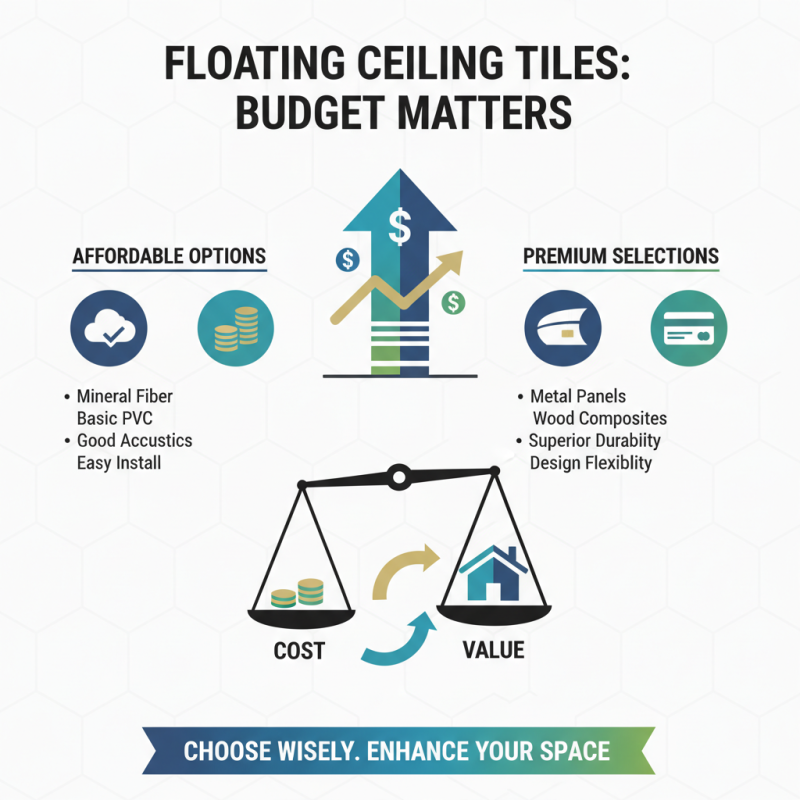
Choosing the right floating ceiling tiles is essential for your space. Before diving into the aesthetics, consider your budget. This decision can greatly impact the overall cost. Floating ceiling tiles come in various price ranges. Some options are affordable, while others can be quite expensive.
When budgeting, think about the quality and durability. Cheaper tiles may save money initially but could lead to higher maintenance costs. A well-planned investment could ensure longevity. Calculate the total area you need to cover. This will help you understand the materials needed. Don't forget to account for installation costs.
Also, consider the value these tiles add to your space. They can improve acoustics and elevate the design. However, the wrong choice can detract from the overall look. Balance your preferences and financial constraints carefully. Reflect on what matters most for your environment. Quality versus cost? It's a fine line to walk.