How to Choose the Right Fire-Resistant Gypsum Board for Your Project?
Choosing the right fire-resistant gypsum board can seem daunting. Many factors influence your decision. Fire-resistant gypsum board is designed to provide safety and protection in various construction projects. Understanding these factors is crucial for an effective selection.
Consider the specific needs of your project. Is it for walls, ceilings, or both? Each application may require different fire ratings and thicknesses. Think about the environment too. A board that works well in dry conditions might not suit humid locations. These details can significantly impact your choice.
Price is often a concern. However, opting for the cheapest option might not be wise. It could lead to increased costs in safety and repairs later. Reflect on the long-term benefits of investing in high-quality fire-resistant gypsum board, which can ultimately save you money. Balancing your budget, safety requirements, and the specific uses of the board will guide you toward the best decision.
Understanding Fire-Resistant Gypsum Board: Features and Benefits
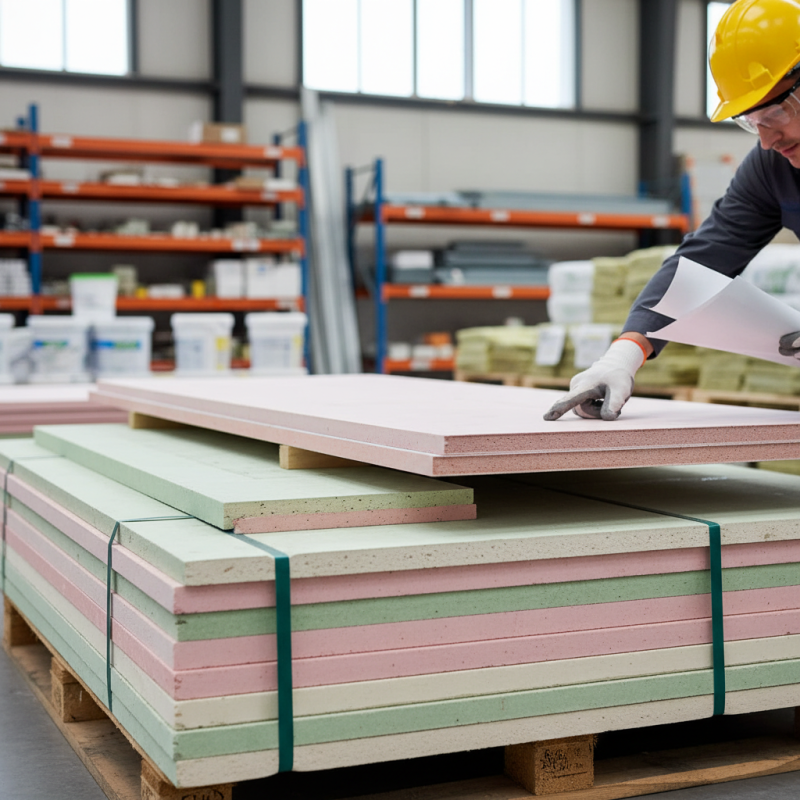
Fire-resistant gypsum board is essential for many construction projects. It offers crucial protection against fire hazards. These boards contain special additives that enhance their durability. An important feature is their ability to withstand high temperatures. This helps slow down the spread of flames. Consequently, it provides more time for evacuation and reduces damage.
Beyond safety, fire-resistant gypsum boards contribute to building longevity. They can reduce maintenance costs over time. However, the choice of board may depend on specific project requirements. Some projects may need thicker boards for added security. Others might benefit from lighter options. It’s crucial to assess the building's needs carefully.
There are also some challenges regarding installation. Proper techniques are necessary for maximizing fire resistance. Without correct handling, the boards may not perform as expected. This adds a layer of complexity to the project. Reflecting on these factors can help in making a more informed choice.
Key Industry Standards for Fire-Resistant Gypsum Board Selection
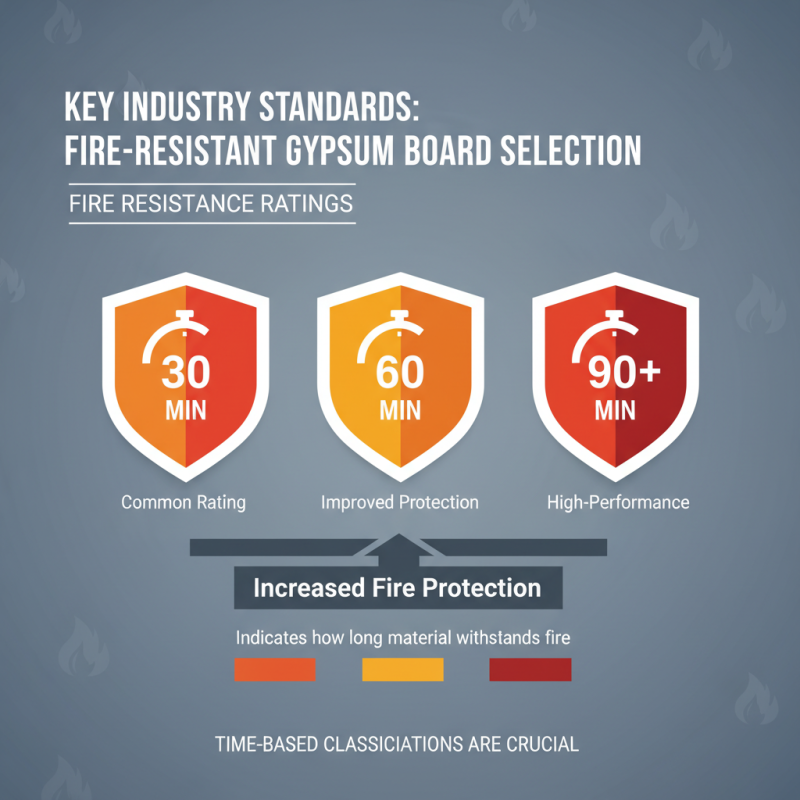
Choosing the right fire-resistant gypsum board requires an understanding of industry standards. Fire resistance ratings are crucial. They indicate how long the material can withstand fire exposure. Most standards classify boards based on time ratings. Common ratings include 30, 60, and 90 minutes.
Additionally, you should consider the ASTM E119 standard. This standard tests the entire assembly. It assesses the performance, not just the board itself. It's essential to look beyond the surface. Not all boards labeled "fire-resistant" meet these strict tests.
Moreover, look for additional certifications. Some boards have specific fire safety ratings that are globally recognized. These ensure compliance with building codes. It’s easy to overlook details. Always double-check the specifications. A small oversight can compromise safety. Be diligent in your selection process.
Comparative Analysis of Fire Ratings: Type X vs. Type C Gypsum Board
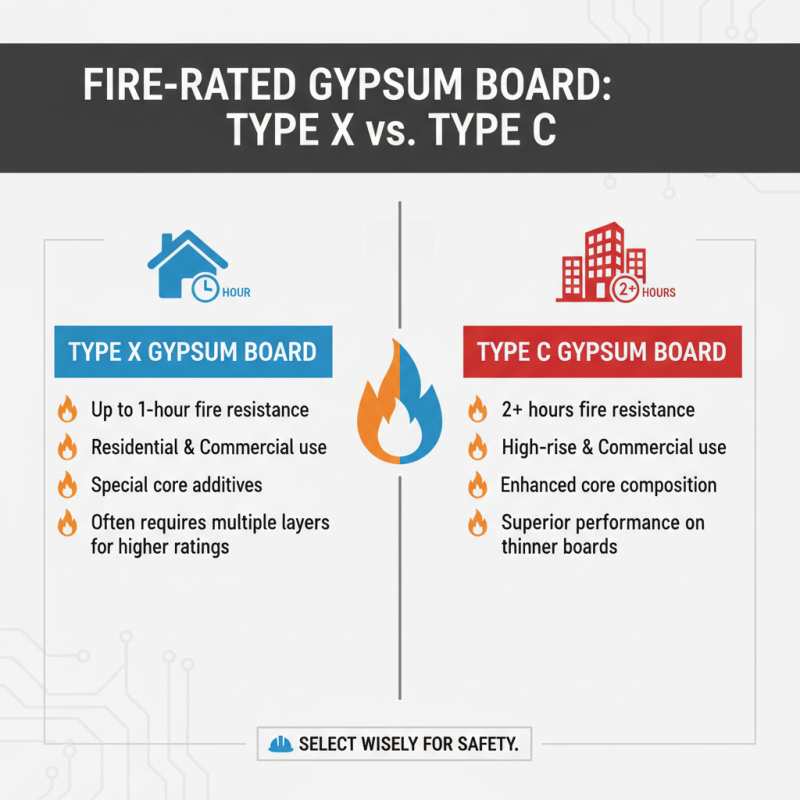
When selecting fire-resistant gypsum board, understanding the fire ratings is essential. Type X and Type C boards serve different purposes. Type X is designed for up to an hour of fire resistance. This is suitable for many residential and commercial applications. It contains special additives that enhance its durability and performance. However, its limitations often require more than just a single layer for maximum protection.
In contrast, Type C gypsum board offers superior fire resistance. It can withstand up to two hours. This makes it ideal for projects that demand enhanced safety measures. Type C often includes glass fibers, which improve its structural integrity. This type can be more expensive, and costs can add up in larger projects. It is important to weigh the long-term benefits against the initial investment.
Choosing between Type X and Type C can lead to tough decisions. Budget constraints may push you toward Type X, but consider the risks in high-traffic areas. Reflect on the specific needs of your project. Do you need that extra protection? Sometimes, opting for Type C can bring peace of mind for slightly more expenditure. Understanding these categories allows informed choices, ultimately enhancing safety in any construction endeavor.
Factors Influencing Fire Resistance in Gypsum Board Products
When selecting fire-resistant gypsum board, several factors come into play. The core material significantly impacts fire resistance. Gypsum contains water molecules, which help delay heat transfer during a fire. Higher moisture content usually means better performance. However, this can also lead to other issues, like mold growth. It’s essential to consider the environment where the board will be used.
Additionally, the thickness of the gypsum board matters. Thicker boards typically offer increased protection. However, they may add extra weight to structures, posing installation challenges. The type of finishing and coatings applied can also affect overall resistance. Some finishes, while attractive, might lower fire ratings. Choosing the right combination requires careful thought.
Another important aspect is the board's overall composition. Additives may enhance fire resistance but can introduce other variables. Failing to balance these factors can result in poor performance when it matters most. Evaluating local building codes is also crucial. These codes can influence your choices based on specific safety requirements. Always keep in mind that what seems like a good choice might not be optimal once all factors are considered.
How to Choose the Right Fire-Resistant Gypsum Board for Your Project?
| Factor |
Description |
Fire Rating |
Typical Use |
| Core Composition |
The materials used in the core can significantly affect fire resistance. |
Type X (1-hour duration) |
Commercial buildings, apartment complexes |
| Board Thickness |
Thicker boards generally provide better fire resistance. |
Type C (1.5-hour duration) |
Firewall applications, heavy-duty installations |
| Surface Treatment |
Surface coatings can enhance fire performance. |
Type X (1-hour duration) |
Interior walls, ceilings |
| Installation Method |
Proper installation can improve overall fire safety. |
Type C (1.5-hour duration) |
High-rise structures, industrial buildings |
| Testing Standards |
Compliance with ASTM and other relevant standards ensures reliability. |
Type X & Type C available |
All types of construction |
Best Practices for Installation and Compliance with Fire Safety Codes
When installing fire-resistant gypsum board, following best practices is crucial. Ensure that the boards are cut precisely to fit the designated spaces. Gaps can weaken the fire resistance. Check the edges for any damage before installation. A clean edge promotes a better seal. When fastening the boards, use the appropriate screws. Over-tightening can create cracks, while under-tightening may not secure the board properly.
Adhering to fire safety codes is just as important. Familiarize yourself with local regulations governing fire-resistant materials. Different areas may have varying requirements. Pay close attention to the material thickness and assembly methods. These can directly influence fire ratings. It might be easy to overlook some minor details, but they can impact overall safety.
Always conduct a thorough inspection post-installation. Look for visible seams or gaps. Addressing these issues is necessary. Even the most durable materials won't perform well if not installed correctly. Document your compliance with safety codes as proof if needed. This diligence not only ensures safety but also provides peace of mind in the long run.
Fire-Resistant Gypsum Board Types and Their Fire Ratings