How to Choose the Right Suspended Ceiling Grid Systems for Your Project
Choosing the right Suspended Ceiling Grid Systems can be a challenge. It's not just about aesthetics. Functionality, durability, and installation processes all matter. The right grid system can enhance acoustics and support various ceiling options. However, options can be overwhelming.
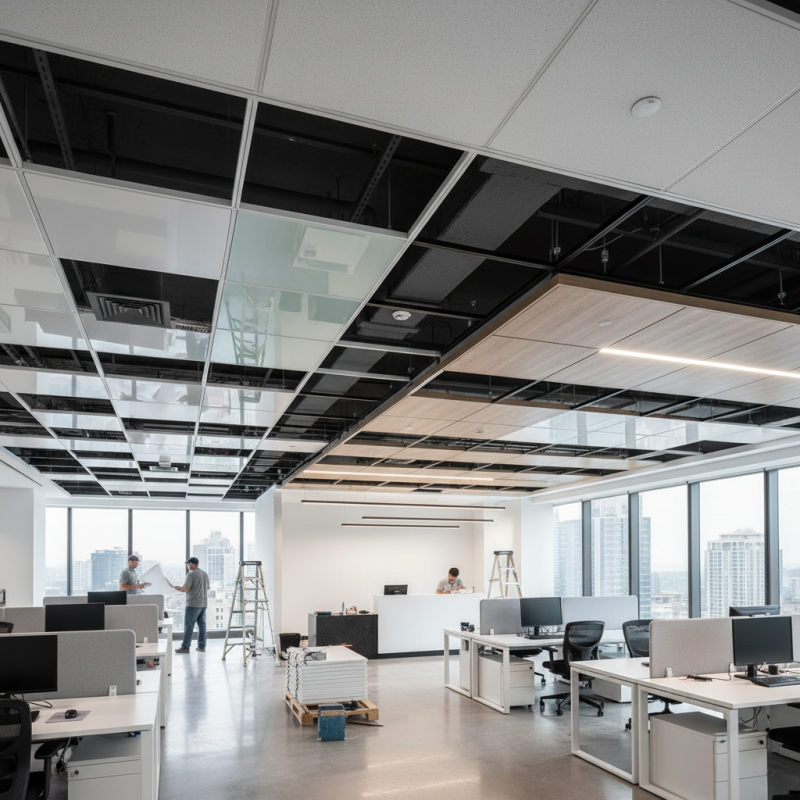
Consider different environments. A commercial space might require something different than a residential area. The design must align with the intended use of the building. Take time to explore materials and styles. Sometimes, the choice might seem obvious, yet not fit the space perfectly.
Reflect on your project’s specific needs. Think about maintenance and accessibility. You might think you can handle everything, but complexities may arise. Keep in mind that a well-chosen Suspended Ceiling Grid System can transform the overall feel of a room. Mistakes can happen, but they offer valuable lessons for future projects.
Understanding the Basics of Suspended Ceiling Grid Systems
Suspended ceiling grid systems play a crucial role in modern construction. They provide an essential framework for ceiling tiles while improving aesthetics and acoustics. Understanding these systems is key to making informed choices. According to a recent report by the Building and Construction Authority, nearly 40% of commercial buildings use these grids to enhance sound insulation and control ambient noise.
When selecting a suspended ceiling grid, consider material types, such as steel or aluminum. Steel grids are generally more durable but can be heavier. Aluminum grids are lightweight and offer corrosion resistance. Research shows that lightweight systems can reduce installation time by up to 15%. This speed can improve project timelines but may compromise other aspects, like stability, if not properly assessed.
Installation errors are not uncommon. Misalignment can lead to gaps, impacting both appearance and performance. A survey indicated that approximately 25% of installers reported issues during fitting. Such pitfalls serve as reminders. Attention to detail is vital. Whether it's calculating load requirements or choosing the right finish, every decision affects the final outcome. Ensure that the installation aligns with project standards to achieve the desired results.
Suspended Ceiling Grid Systems: Popular Styles and Their Usage
Evaluating Different Types of Ceiling Grid Materials
When evaluating ceiling grid materials, it’s essential to consider their properties. Metal grids are widely used. They are durable and can support heavier tiles. However, they could get dented easily. This can be a concern in high-traffic areas.
On the other hand, vinyl grids are lightweight and resistant to moisture. They work well in spaces like kitchens and bathrooms. But they might not be as sturdy as metal options. Some vinyl grids may warp under extreme conditions.
Another option is wood grids. They offer a unique aesthetic, adding warmth to a space. However, wood is not as practical in wet environments. It can lead to mold and decay. Each material has its pros and cons. Your choice should reflect the specific needs of your project. Consider the setting and desired look carefully.
How to Choose the Right Suspended Ceiling Grid Systems for Your Project
| Material Type |
Weight (lbs/1,000 sq ft) |
Cost ($/sq ft) |
Durability (Years) |
Fire Rating |
Moisture Resistance |
| Steel |
25 |
1.75 |
50 |
Class A |
Moderate |
| Aluminum |
20 |
2.50 |
70 |
Class A |
High |
| Vinyl |
15 |
1.25 |
30 |
Class B |
Very High |
| Gypsum |
30 |
2.00 |
40 |
Class A |
Low |
| Mineral Fiber |
40 |
1.50 |
20 |
Class A |
Moderate |
Assessing Load-Bearing Requirements for Your Project
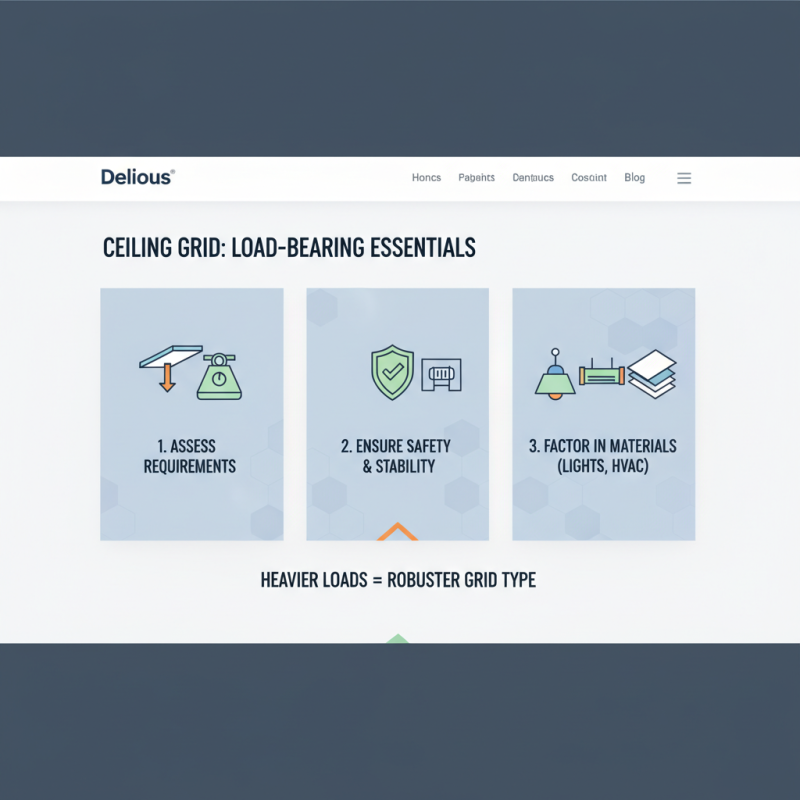
When selecting a suspended ceiling grid system, assessing load-bearing requirements is crucial. This ensures safety and stability for your project. Consider the materials you plan to install. Will you have heavy lighting fixtures or HVAC systems? These factors influence your decision on the grid type.
Tips: Calculate the total weight of all components. This helps in choosing the right grid. Keep in mind that not all grids can support heavy loads. Your project's integrity depends on this choice. Sometimes, people underestimate the weight of their designs. It's worth double-checking.
If you're unsure of the load requirements, consult with a structural engineer. They can provide insights specific to your project. Make use of available resources, including load tables, which are often provided by manufacturers. These documents can help clarify what the grid can support. Setting aside time for these calculations can save you from costly mistakes. Remember, a well-supported ceiling enhances both function and aesthetics.
Choosing the Right Design and Aesthetic for Your Space
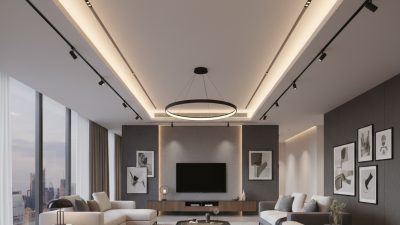
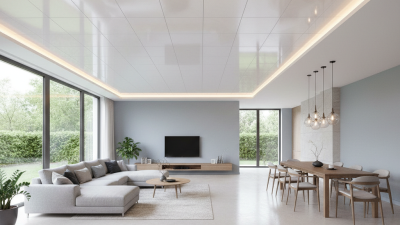
When it comes to selecting a suspended ceiling grid system, design and aesthetics play a crucial role. The right choice can transform an ordinary space into something extraordinary. Consider the overall theme of your interior. Is it modern, rustic, or minimalist? Each style requires specific finishes and materials. For a sleek look, opt for a linear grid with smooth panels in neutral colors. This creates an illusion of space and height.
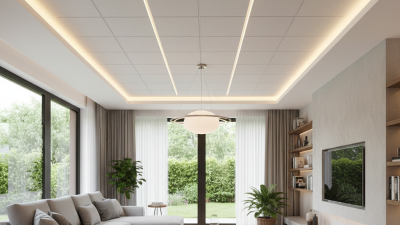
Textures matter too. Suspended ceilings can come in various patterns, from flat to textured. Textured panels can add depth, while flat surfaces maintain a clean look. Think about how lighting interacts with the ceiling. Good lighting can enhance the design. Use recessed lights for a seamless feel or pendant lights for a statement piece.
Don’t forget about practicality. A beautiful grid system must also function effectively. Ensure it accommodates lighting and HVAC needs. Consider maintenance requirements as well; some materials stain or collect dust more than others. Reflect on what works for you, as the perfect system sometimes means balancing design with practicalities.
Installation Considerations for Suspended Ceiling Grid Systems
When installing a suspended ceiling grid system, several factors must be considered. The height of the space is essential. A lower ceiling can create a closed-in feel. Aim for a balance between aesthetics and functionality. Sometimes, existing ductwork or pipes may interfere, leading to awkward outcomes. Analyzing the area layout before installation is crucial.
Another consideration is the weight of the materials. Some grids accommodate heavier tiles and fixtures. Confirm that your ceiling can support this weight. Misjudging this can lead to safety hazards later on. Always double-check load ratings and installation guides.
Don’t overlook the need for accessibility. If maintenance is expected, ensure there are adequate access panels. A beautiful ceiling won’t matter if it’s hard to reach. Always plan ahead for these practicalities. An ideal installation supports future needs, even if adjustments are necessary down the line.