How to Choose the Best Gypsum Board for Your Project?
Choosing the right Gypsum Board for your project requires careful consideration. According to industry expert John Smith, "Selecting the appropriate Gypsum Board can make a significant impact on the project's success." With various types available, understanding their unique properties is crucial.
Gypsum Boards differ in thickness, moisture resistance, and fire rating. These factors influence performance and durability. For example, moisture-resistant boards are ideal for bathrooms, while fire-resistant options are essential for kitchens. Each project has specific needs, and aligning the Gypsum Board selection with these needs is vital.
Reflecting on the available options often reveals uncertainties. Many make choices based solely on cost or availability, neglecting other attributes. This might lead to issues down the road, such as poor performance or higher maintenance costs. Taking time to assess all features of Gypsum Boards can ultimately save time and resources in construction projects.
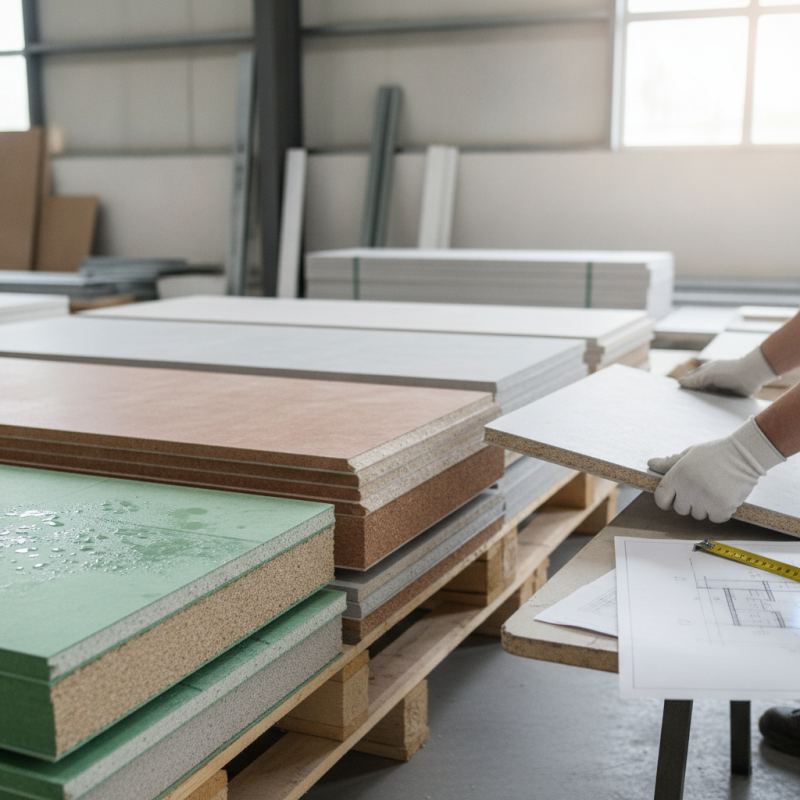
Understanding the Different Types of Gypsum Boards Available
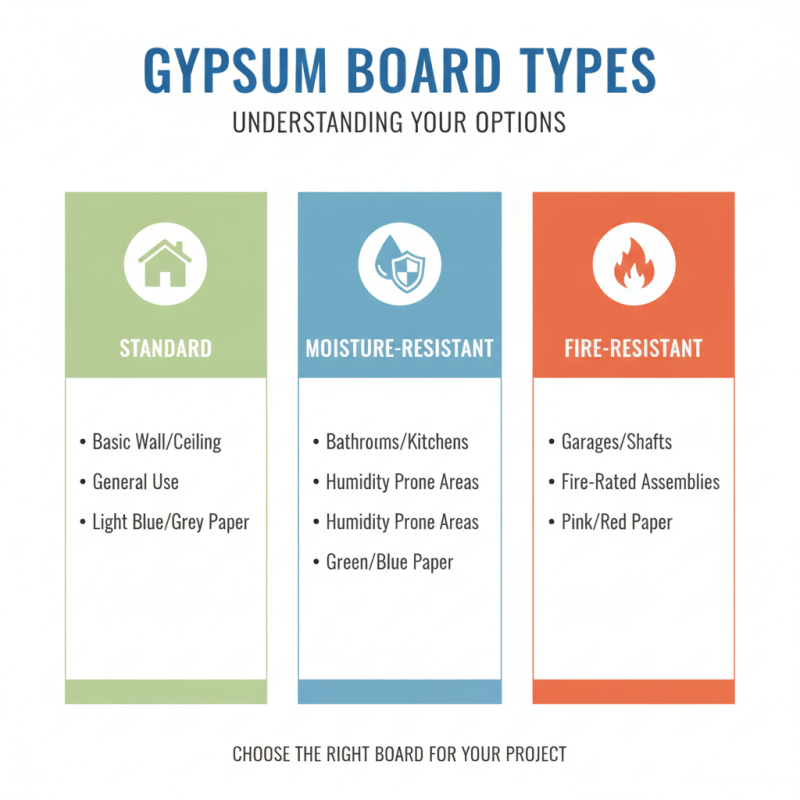
When selecting gypsum board for your project, it's essential to understand the available types. Gypsum boards differ in composition, thickness, and performance characteristics. Common types include standard, moisture-resistant, and fire-resistant boards. Each type serves a specific purpose, addressing unique project needs.
Standard gypsum board is widely used for interior walls and ceilings. It's economical and easy to install. However, it is not suitable for high-moisture areas. For such places, moisture-resistant gypsum board is recommended. It contains additives to prevent mold growth and withstand humidity, making it ideal for bathrooms and kitchens. According to industry reports, about 25% of all new constructions involve moisture-resistant board usage.
Fire-resistant gypsum board offers an additional layer of safety. It is often specified in multi-family dwellings and commercial buildings due to its fire-rated properties. This type of board can delay the spread of fire, giving occupants more time to evacuate. Yet, industry data indicates that only about 15% of residential projects utilize fire-resistant options. Many contractors may overlook this critical aspect, potentially compromising safety.
Selecting the right gypsum board is crucial for durability and safety in construction. Each type has specific benefits and limitations that must be considered during the planning phase. Balancing budget constraints with performance requirements can be challenging. Ensuring you choose the appropriate type can lead to long-term benefits and reduce future remediation costs.
Key Factors to Consider When Selecting Gypsum Board
When selecting gypsum board for construction, the key factors to consider are strength, moisture resistance, and fire rating. Gypsum board comes in various types, each suited for specific applications. For example, regular gypsum board is suitable for most walls and ceilings, while water-resistant boards are ideal for humid areas like kitchens and bathrooms. Recent industry reports indicate that moisture-resistant boards can reduce mold growth by up to 60%.
Another important aspect is the board's fire rating. Fire-resistant gypsum boards are crucial for meeting safety regulations, especially in commercial buildings. The National Fire Protection Association states that using the right gypsum board can enhance fire resistance by up to 2 hours depending on the assembly.
Additionally, consider the environmental impact of your choice. Many manufacturers offer boards made from recycled materials. The U.S. Green Building Council highlights that using eco-friendly materials can contribute to LEED certification. Balancing performance and sustainability is essential. Make informed decisions to ensure both reliability and efficiency in your project.
How to Choose the Best Gypsum Board for Your Project? - Key Factors to Consider When Selecting Gypsum Board
| Dimension/Factor |
Description |
Recommended Type |
| Thickness |
Common thickness options include 1/2 inch and 5/8 inch, affecting sound insulation and fire resistance. |
5/8 inch for fire-rated applications |
| Type |
Different types include standard, moisture-resistant, and soundproof boards for various environments. |
Moisture-resistant for humid areas |
| Edge Treatment |
Tapered, square, and beveled edges impact installation and finishing. |
Tapered edges for smooth finishing |
| Weight |
Consider the weight for ease of handling and installation. |
Lightweight options for easier transport |
| Fire Resistance |
Some boards are designed to enhance fire safety in structures. |
Use fire-rated gypsum board in critical areas |
Assessing Durability and Moisture Resistance for Your Project
Choosing the right gypsum board involves more than just aesthetics. Durability and moisture resistance are critical factors that can impact your project’s longevity. The National Gypsum Association states that moisture-resistant boards can reduce mold growth by up to 70%. This is especially vital for areas with high humidity, like bathrooms and kitchens.
Different types of gypsum boards offer varying levels of moisture resistance. Standard boards absorb moisture quickly and may deteriorate when exposed. On the other hand, special moisture-resistant varieties incorporate additives to withstand damp conditions. However, these boards can come at a higher cost. Identifying the right application for your environment can save you from future issues related to water damage.
Remember that durability goes beyond moisture resistance. Impact-resistant boards can withstand physical damage, making them suitable for high-traffic areas. According to industry studies, these boards can endure 50% more impact than standard boards. It's important to evaluate your specific needs and weigh the benefits against the investment. A thoughtful approach to choosing gypsum board can lead to better project outcomes.
Evaluating Fire Ratings and Safety Standards in Gypsum Boards
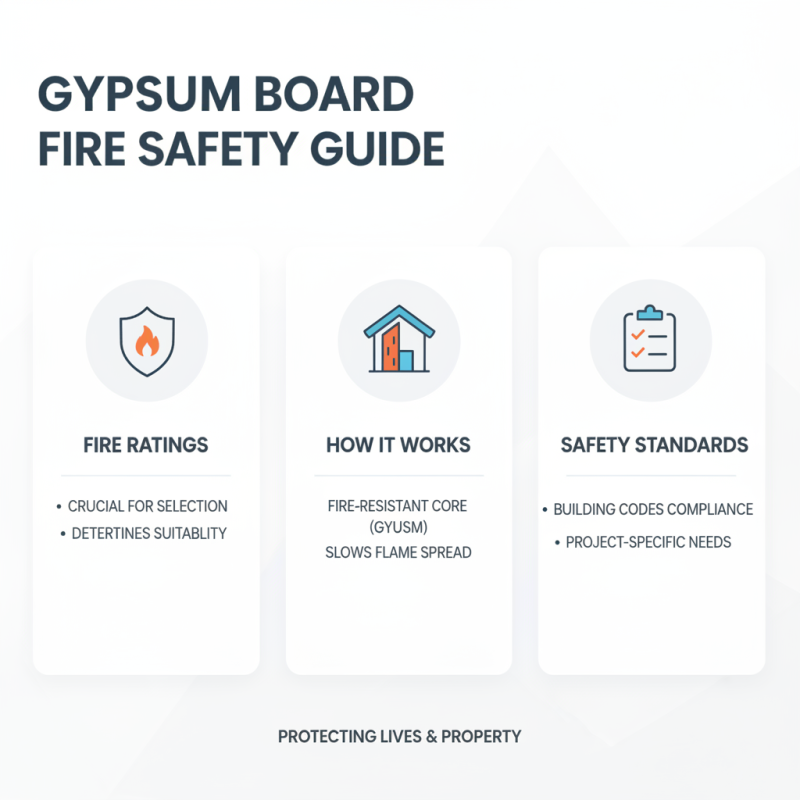
When selecting gypsum boards, fire ratings and safety standards are crucial factors to consider. Gypsum boards are often used in construction for their fire-resistant properties. Their core material typically includes gypsum, which can slow down the spread of flames. Understanding the fire rating of your chosen board helps determine its suitability for your specific project.
The National Fire Protection Association (NFPA) provides guidelines for evaluating fire ratings. Boards are often classified into categories like Type X or Type C, depending on their fire-resistance rating. Type X boards can resist fire for up to an hour, making them ideal for walls needing extra protection. Often, architects and builders overlook these ratings, potentially compromising safety. It's essential to be diligent in assessing these features.
Moreover, safety standards may vary by region. Builders should always check local regulations to ensure compliance. Overlooking these standards can lead to serious legal and safety issues later on. It's a complex process, but understanding the fire ratings and safety standards of gypsum boards can significantly impact your project's success and safety.
Cost-Effectiveness: Budgeting for Your Gypsum Board Selection
When budgeting for gypsum board, consider both cost and performance. The initial expense is crucial, but long-term savings impact the overall project. Different types of gypsum board offer various price points, and it's essential to analyze which fits your needs. Cheaper boards might seem appealing, but factors like durability and moisture resistance influence their value.
Evaluate the specifics of your project. For instance, bathrooms require moisture-resistant options. Using standard gypsum board in high-humidity areas could lead to mold growth. This mistake can result in costly repairs. Think about the lifespan of the board as well. Investing slightly more upfront might save you money down the line.
Assess the installation costs, too. Cheaper boards may cost more to install if they require extra support or lead to increased labor. Sometimes, the lowest price isn't the best choice for your budget. Reflect on the balance between upfront costs and potential long-term expenses. It’s about making an informed decision while being aware of the trade-offs involved.
Cost-Effectiveness of Different Gypsum Board Types
This chart illustrates the average cost per square foot of various types of gypsum boards. When selecting gypsum board for your project, consider not only the cost but also the specific properties needed, such as moisture resistance, fire resistance, or soundproofing capabilities.