How to Choose Eco-Friendly WPC Panels for Sustainable Building Projects
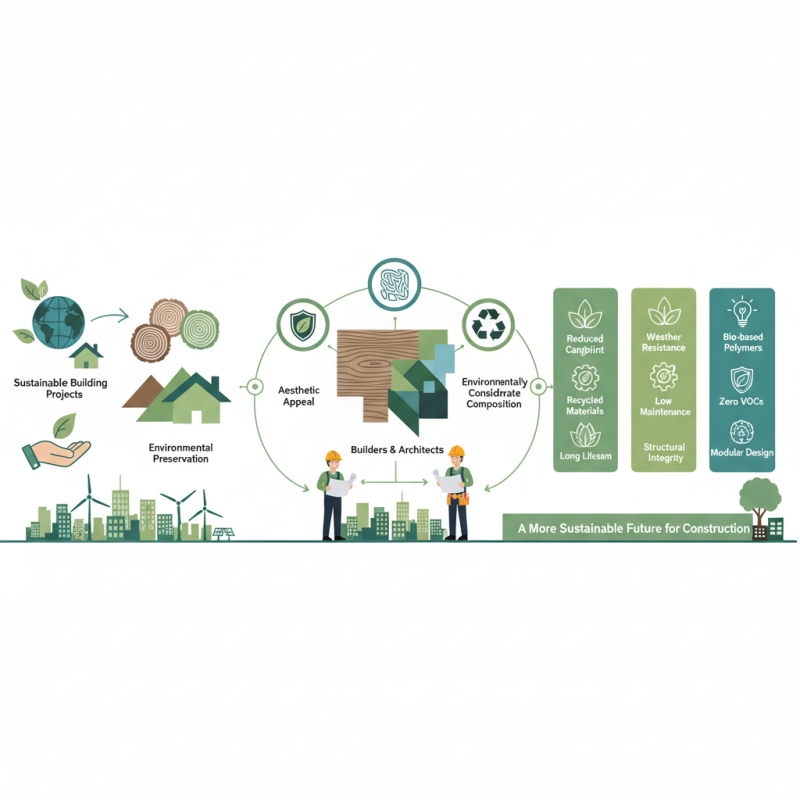
In an era where sustainable building practices are essential for environmental preservation, the selection of materials plays a critical role. Eco-Friendly WPC (Wood Plastic Composite) Panels have emerged as a popular choice for sustainable construction projects due to their durability, aesthetic appeal, and environmentally considerate composition. Experts in the field emphasize the importance of informed choices; for instance, Dr. Emily Carter, a leading authority on sustainable building materials, states, "Choosing Eco-Friendly WPC Panels is not just about aesthetics; it is about making a responsible decision that benefits our planet."
As the construction industry seeks to shift towards greener alternatives, understanding the advantages and characteristics of Eco-Friendly WPC Panels is crucial. These materials are designed to minimize environmental impact while providing the structural benefits of traditional wood and plastic. With the growing demand for sustainable solutions, it becomes ever more vital for builders and architects to navigate the options effectively and select products that align with eco-conscious values.
In this comprehensive guide, we will explore the key factors to consider when choosing Eco-Friendly WPC Panels for your sustainable building projects, highlighting their environmental benefits, performance characteristics, and the latest innovations in the industry. By making informed decisions, stakeholders can contribute to a more sustainable future for construction.
Understanding WPC Panels: Definition and Composition
Wood Plastic Composite (WPC) panels have gained popularity in sustainable building projects due to their eco-friendly composition and versatility. WPC panels are typically made from a blend of wood fibers, recycled plastics, and additives that enhance their durability and aesthetic appeal. According to a report by the Freedonia Group, the WPC market is expected to grow significantly, with annual demand projected to reach over 6 billion pounds by 2025. This growth highlights the increasing interest in sustainable building materials that reduce dependency on traditional lumber and promote recycling.
The composition of WPC panels not only contributes to their structural integrity but also their environmental benefits. By utilizing post-consumer waste and wood industry byproducts, WPC reduces landfill waste and promotes a circular economy. Recent studies show that WPC has a lower carbon footprint compared to conventional materials. For instance, the American Institute of Architects reports that using WPC can reduce carbon emissions by up to 50% compared to solid wood. This innovative material effectively combines the aesthetic qualities of wood with the performance characteristics of plastics, making it a prime choice for those looking to create sustainable structures without compromising on design.
Environmental Benefits of Using Eco-Friendly WPC Panels
Eco-friendly wood-plastic composite (WPC) panels are a sustainable alternative to traditional building materials, offering numerous environmental benefits that contribute to eco-conscious construction. One of the most significant advantages is their use of recycled materials, as WPC panels are usually made from a combination of recycled plastic and wood fibers. This recycling process reduces waste in landfills and minimizes the environmental impact associated with producing new raw materials. Choosing WPC panels can help reduce deforestation and promote a more sustainable use of natural resources.
In addition to their recycled content, eco-friendly WPC panels are designed to be durable and long-lasting, which further supports sustainable building practices. Their resistance to moisture, rot, and insects means they require less maintenance and replacement compared to traditional wood products. This longevity results in lower emissions of greenhouse gases over the lifecycle of a building, as less material is needed for repairs or replacements. Furthermore, many WPC panels are manufactured using low-impact processes and non-toxic additives, enhancing their appeal for environmentally responsible construction projects. Ultimately, selecting eco-friendly WPC panels can significantly contribute to the overall sustainability of building initiatives while aligning with green construction goals.
Key Factors to Consider When Choosing WPC Panels for Sustainability
When selecting eco-friendly WPC (Wood Plastic Composite) panels for sustainable building projects, it is essential to consider several key factors that contribute to both environmental impact and overall performance. One vital aspect is the material composition of the panels. High-quality WPC panels typically contain a high percentage of recycled materials—usually around 60-70%. This not only reduces the demand for new plastic and wood but also minimizes waste, as per the findings of the “Sustainable Materials Report 2021” by the Global Sustainability Institute. Choosing WPC panels made from post-consumer recycled content can significantly lessen the carbon footprint of construction projects.
Another critical consideration is the lifecycle assessment of the WPC panels. Research shows that eco-friendly WPC products have a lower energy consumption during production compared to traditional materials like virgin timber or concrete—about 30-50% less, according to the “Environmental Impact of Wood Composites” study published in the Journal of Sustainable Building Materials. Furthermore, WPC panels often feature less maintenance and longer durability, which means they do not need to be replaced as frequently, resulting in reduced resource consumption over time. Analyzing the durability and sustainability rating of different panels can guide builders toward more informed choices that align with green building standards such as LEED certification.
Comparative Analysis: WPC Panels vs. Traditional Building Materials
In recent years, the shift towards sustainable building practices has led to the increased popularity of Wood-Plastic Composites (WPC) panels as alternatives to traditional building materials. WPC panels exhibit remarkable resistance to moisture, insects, and rot, making them an exceptional choice for both indoor and outdoor applications. In contrast, traditional materials like wood and concrete can be susceptible to deterioration over time, requiring regular maintenance and replacement, which impacts both the environment and long-term costs for builders.
When considering the choice between WPC panels and traditional materials, it’s crucial to weigh their environmental impact. WPC panels are made from recycled wood fibers and plastic, offering a use for post-consumer waste while also being recyclable at the end of their life cycle. Traditional materials, particularly new timber, often contribute to deforestation and increased carbon footprints. Therefore, opting for WPC panels not only supports sustainability but can also reduce overall resource consumption.
**Tips for Choosing WPC Panels:**
1. Ensure you select panels with a high percentage of recycled materials to maximize eco-friendliness.
2. Evaluate their certifications to confirm they meet environmental standards.
3. Consider the long-term durability of WPC panels to reduce future waste and the need for replacements, providing both ecological and economic benefits.
How to Choose Eco-Friendly WPC Panels for Sustainable Building Projects - Comparative Analysis: WPC Panels vs. Traditional Building Materials
| Material Type |
Renewability |
Durability (years) |
Maintenance Required |
Cost (per sqft) |
Environmental Impact |
| WPC Panels |
High |
25-30 |
Low |
$3-5 |
Low |
| Solid Wood |
Moderate |
20-25 |
High |
$4-8 |
Moderate |
| Concrete |
Low |
50-100 |
Moderate |
$6-12 |
High |
| Metal |
Low |
40-50 |
Low |
$7-15 |
High |
| Brick |
Low |
100+ |
Low |
$5-10 |
Moderate |
Recycling and Life Cycle Assessment of WPC Panels in Construction
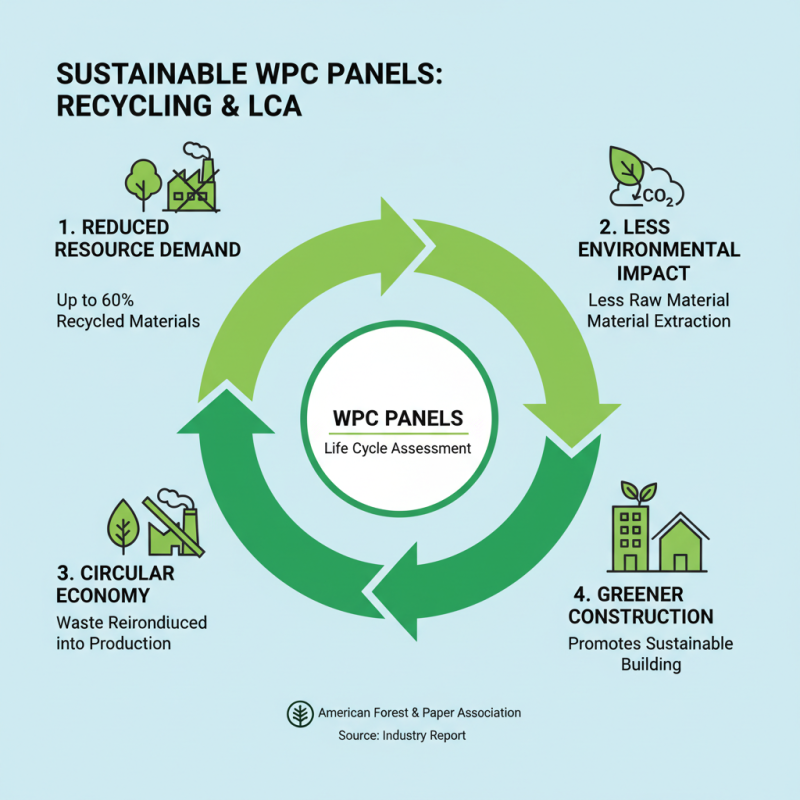
The recycling and life cycle assessment (LCA) of wood-plastic composite (WPC) panels play a crucial role in promoting sustainable practices in construction. According to a report by the American Forest and Paper Association, WPC panels can utilize up to 60% recycled materials, significantly reducing the demand for virgin resources. This recycling not only lessens the environmental impact associated with raw material extraction but also contributes to a circular economy, where waste materials are reintroduced into the production cycle.
Life cycle assessments of WPC panels indicate that their environmental footprint is notably lower than traditional materials. A study published in the Journal of Cleaner Production found that WPCs can reduce greenhouse gas emissions by up to 30% over their lifetime compared to conventional wood or plastic. This reduction can be attributed to various factors, including the energy used in production and transportation, as well as the prolonged lifespan of WPC panels, which are resistant to rot and insect damage. By incorporating WPC panels into building projects, construction professionals can not only adhere to sustainability goals but also optimize resource efficiency and minimize waste.