What is Gypsum Board Partition Wall and Its Benefits?
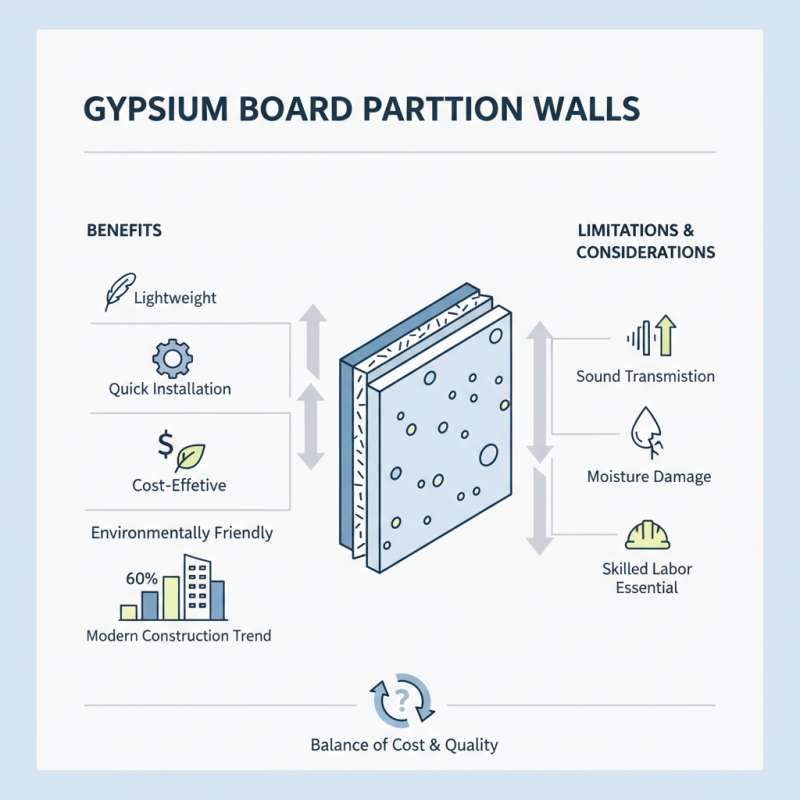
Gypsum Board Partition Walls have become a staple in modern construction. They are lightweight yet durable, ideal for creating flexible spaces. According to a recent report by the Building Research Establishment, about 60% of new commercial buildings use gypsum board partitions. This trend highlights their importance in contemporary architecture.
Expert John Smith notes, "Gypsum Board Partition Walls allow for efficient space management and quick installations." His insights reflect a need for adaptability in today's real estate market. These walls are not only cost-effective but also environmentally friendly, as they often incorporate recycled materials.
However, it’s critical to assess their limitations. Poor installation can lead to issues such as sound transmission and moisture damage. Proper training and skilled labor are essential to maximize the benefits. There's a balance between cost and quality, which needs careful consideration. The rise of Gypsum Board Partition Walls reflects innovation, yet it calls for ongoing evaluation in practical applications.
Overview of Gypsum Board Partition Walls
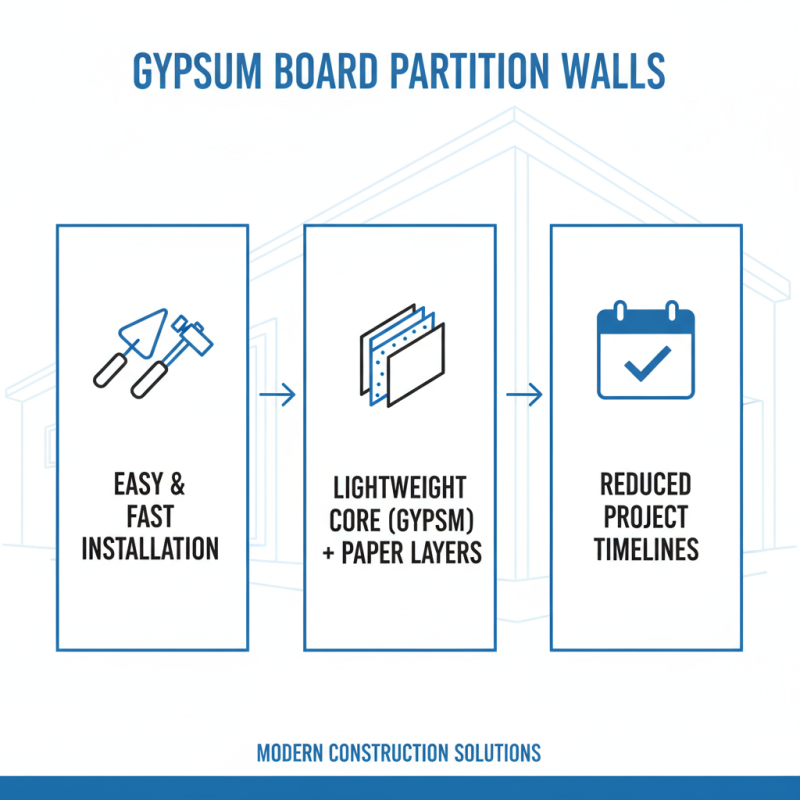
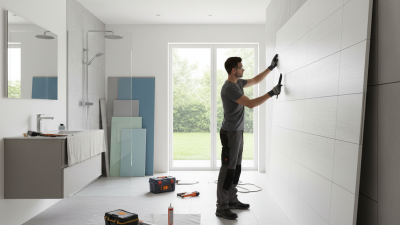
Gypsum board partition walls are increasingly popular in modern construction. They consist of a lightweight core, usually made from gypsum, sandwiched between two layers of paper. This construction makes them easy to handle and install, a key benefit for busy projects. Unlike traditional walls, they require less time and labor. The installation process can be completed quickly, allowing for faster project timelines.
These partition walls are versatile. They can be used to create separate spaces in both residential and commercial buildings. They are also excellent for sound insulation, which is vital in office environments or multifamily housing. The surface of gypsum boards is smooth, making them perfect for painting or finishing, but can also be prone to scratches or dents if not handled properly.
Another notable point is their fire-resistant properties. Gypsum board can withstand high temperatures. However, if exposed to moisture, it may weaken over time. Always consider your environment when choosing materials. Therefore, while gypsum board partition walls have many advantages, their limitations should not be overlooked. Balancing benefits with potential challenges is crucial in construction planning.
Key Components of Gypsum Board Partition Walls
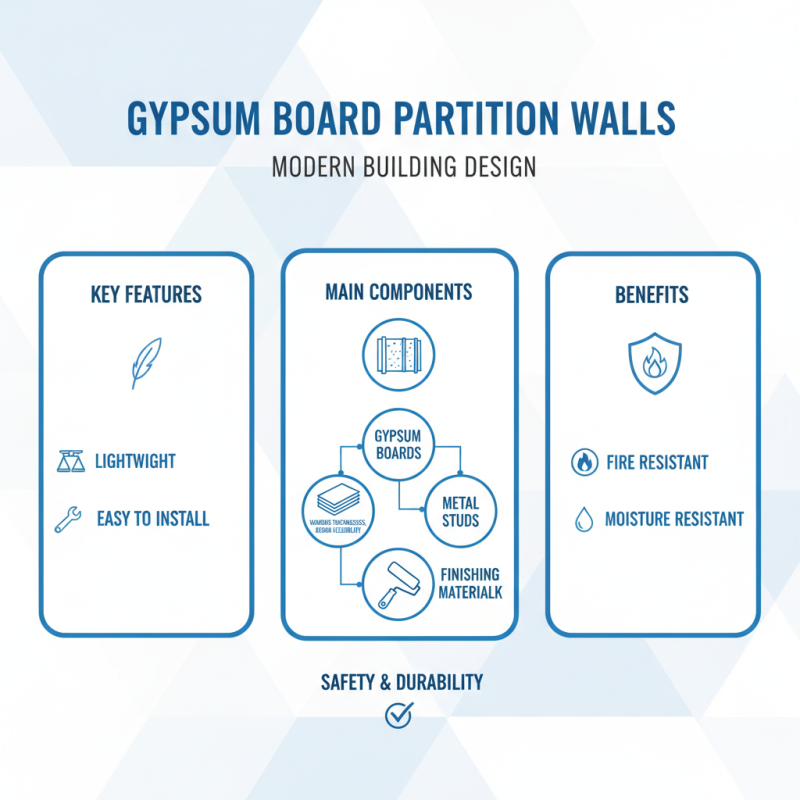
Gypsum board partition walls are popular in modern building designs. They are lightweight and easy to install. The main components of these walls include gypsum boards, metal studs, and finishing materials. Gypsum boards come in various thicknesses, allowing flexibility in design. Metal studs provide a sturdy framework. They are resistant to fire and moisture, adding safety and durability to structures.
Adding soundproofing material can improve privacy between rooms. In many cases, people overlook insulation needs. This can lead to annoying echoes or unwanted noise between spaces. Taping and mudding the seams is crucial for a seamless finish. Many DIYers struggle with this step, often leaving visible joints.
While gypsum boards are functional, they may not hold up to heavy impacts. Repairing damage can be time-consuming. Choosing the right thickness is essential, yet many make mistakes here. Some might prefer thinner boards for cost savings. However, this can lead to regrets later when dealing with bumps and dents. Overall, the key components work together nicely. Balancing aesthetics and functionality can be challenging but rewarding.
Advantages of Using Gypsum Board Partition Walls
Gypsum board partition walls are quite popular in modern construction. They provide a flexible and efficient way to create separate spaces within a room. One major advantage is their lightweight nature, which simplifies the installation process. These walls can be quickly set up, reducing labor costs. Additionally, they are fire-resistant and can enhance the safety of a building.
Another benefit of gypsum board is its sound insulation properties. These walls can minimize noise transfer between rooms, making them ideal for offices or other shared spaces. They also allow for easy integration of electrical wiring and plumbing. This can lead to cleaner installations and reduce the need for extensive renovations later on.
Tips: When considering gypsum board walls, think about the room layout. Plan for potential changes in the future. Use quality materials to ensure durability. Keep in mind that while they are cost-effective, neglecting to invest in good insulation can lead to sound issues. Always measure spaces accurately before installation. This can avoid unnecessary mistakes that waste time and resources.
What is Gypsum Board Partition Wall and Its Benefits? - Advantages of Using Gypsum Board Partition Walls
| Aspect |
Details |
| Material |
Gypsum Board |
| Sound Insulation |
High sound absorption properties, reducing noise transmission |
| Fire Resistance |
Non-combustible material providing fire protection |
| Installation Speed |
Quick and easy to install, saving labor costs |
| Aesthetics |
Smooth finish allowing for versatile design options |
| Durability |
Resistant to damage from impacts and moisture |
| Eco-friendliness |
Made from recyclable materials with low emissions |
Installation Process for Gypsum Board Partition Walls
The installation process for gypsum board partition walls involves several key steps and considerations. First, proper planning is crucial. This includes assessing the space, measuring dimensions, and identifying potential obstacles like electrical wiring or plumbing. According to a report from the Gypsum Association, careful planning can reduce installation errors by up to 30%.
Next, assembling the metal or wood studs is essential. These studs form the frame of the wall and provide structural support. Installation typically begins with marking the floor and ceiling to guide placement. Subsequently, individual sheets of gypsum board are cut and attached to these studs. A common challenge arises when aligning sheets, which can lead to gaps or uneven surfaces.
Finally, finishing touches involve taping, mudding, and sanding the joints. This step is crucial for achieving a seamless appearance. However, improper sanding can lead to noticeable imperfections. Reports indicate that approximately 15% of installations require rework due to finish issues. The process may vary for different projects, but attention to detail is vital. Ensuring a clean, professional finish can significantly affect the overall satisfaction with the partition wall.
Gypsum Board Partition Wall Benefits
This chart illustrates the benefits of installing Gypsum Board Partition Walls based on common criteria evaluated by contractors and builders.
Common Applications of Gypsum Board Partition Walls
Gypsum board partition walls are widely used in residential and commercial spaces. They offer versatility and cost-effectiveness. According to a report by the U.S. Gypsum Association, gypsum boards make up about 70% of interior wall surfaces in North America. This statistic highlights the popularity of these walls in modern construction.
Common applications include office spaces, where adaptability is crucial. Companies often change layouts to accommodate growth. Gypsum board partitions can easily adapt to these changes. Furthermore, in educational institutions, these walls provide the flexibility for classroom sizes. They allow for quick adjustments without major renovations. Data from the International Code Council shows that such walls can reduce construction time by up to 30%.
Residential settings also benefit significantly. Homeowners use gypsum board partitions for creating private spaces. The soundproofing properties improve comfort in shared living areas. However, these benefits come with potential downsides. Over time, these walls may suffer from moisture damage, reducing durability. Regular maintenance is necessary, underlining the importance of proper installation and care. Ignoring these issues may lead to costly repairs down the line.