Top Benefits of High Quality WPC Panels for Your Outdoor Projects?
The demand for high-quality WPC panels in outdoor projects has surged in recent years. According to industry reports, the global WPC market is expected to reach $9.3 billion by 2027, growing at a CAGR of 15.5%. This surge highlights the growing consumer preference for durable and sustainable materials. High-quality WPC panels offer exceptional benefits, including resistance to rot, fade, and pests.
These panels are composed of wood fibers and plastic, creating a robust alternative to traditional wood. One significant advantage is their low maintenance needs. Studies reveal that homeowners can save up to 30% on upkeep costs compared to wood decking. Yet, many still overlook the long-term savings and environmental impact these panels provide.
The aesthetic appeal of high-quality WPC panels enhances outdoor spaces while ensuring durability. However, the initial investment may seem daunting. It's essential to weigh these factors against potential benefits. With the right choice, these panels can elevate outdoor projects significantly.
Advantages of WPC Panels for Outdoor Construction
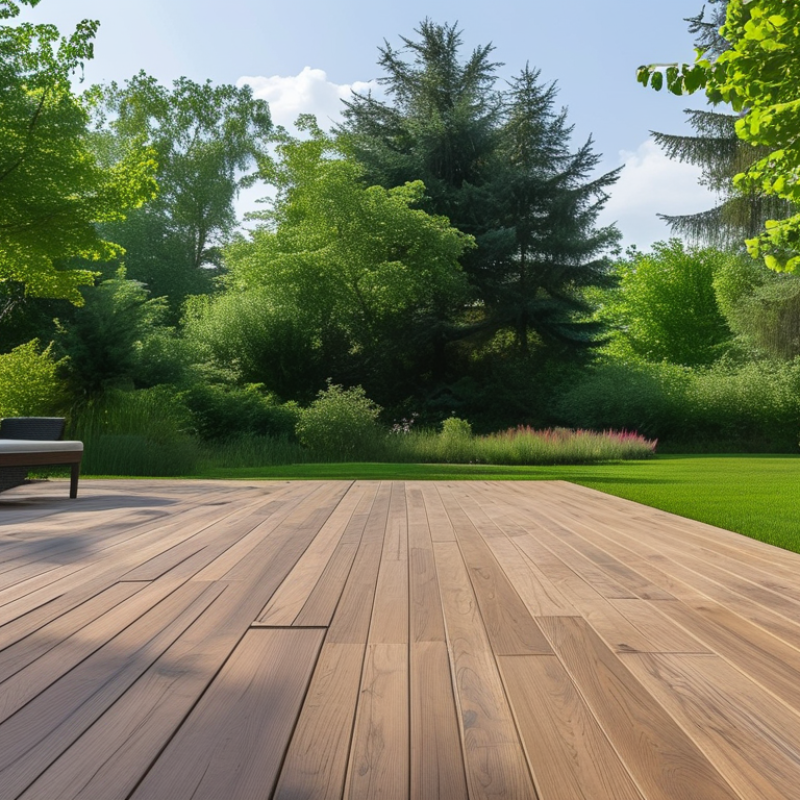
WPC panels, made of wood and plastic composites, offer numerous advantages for outdoor construction. Their durability is one of the main selling points. These panels resist moisture, preventing issues like rot and decay. They are perfect for wet environments, such as near pools or in humid climates. Additionally, WPC panels do not splinter, making them safer for children and pets.
Maintenance is simple with WPC panels. A quick wash with soap and water is usually enough to maintain their appearance. This low upkeep can save time and effort for homeowners. However, wear and tear can still occur over time. Regular inspections can help identify issues early, preventing costly repairs later.
When choosing WPC panels, consider factors like color and texture. The aesthetic appeal can enhance your outdoor space. Think about how these panels will blend with existing structures. Experiment with different layouts before making a final decision. This helps visualize the end result and can spark creative ideas.
Always remember, the goal is to create a functional and pleasing outdoor area.
Durability and Weather Resistance of High Quality WPC Panels
High-quality wood-plastic composite (WPC) panels excel in durability and weather resistance. These panels are designed to withstand harsh outdoor conditions. Unlike traditional wood, they resist rot, mold, and insect infestations. This lasting performance makes them a reliable choice for decking, fencing, and outdoor furniture.
WPC panels can endure extreme temperatures and heavy rainfall. It’s impressive how they retain their aesthetic appeal despite the elements. They do not warp or split like wood, which can lead to costly repairs. However, not all WPC materials are created equal. It's important to choose reputable manufacturers who adhere to high production standards.
Weather resistance isn't just about surviving storms—it's also about maintenance. WPC panels often require less upkeep than wood. Still, periodic cleaning and inspection can enhance their lifespan. Some users may overlook minor wear and tear, which can accumulate over time. A proactive approach ensures these panels remain beautiful and functional for years.
Top Benefits of High Quality WPC Panels for Outdoor Projects
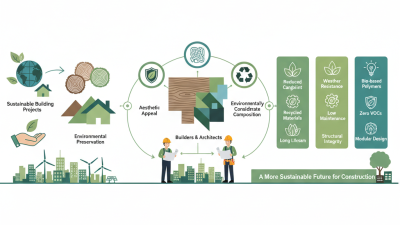
Sustainable and Eco-Friendly Aspects of WPC Materials
WPC (Wood Plastic Composite) panels are gaining traction in outdoor projects. They combine wood fibers with recycled plastic, creating a sustainable material. A recent report from the Research Institute of Sustainable Materials shows that using WPC can reduce waste by 30%. This data highlights the eco-friendly nature of these panels.
Many consumers are now prioritizing sustainable options. WPC materials are an excellent choice due to their durability and environmental benefits. Unlike traditional wood, WPC does not require pesticides or harmful chemicals. According to the Environmental Protection Agency, less chemical usage means less harmful runoff into waterways.
Furthermore, WPC panels are designed to last longer than conventional materials. They are resistant to mold, rot, and splintering, providing a low-maintenance solution for outdoor projects. Some studies indicate that they can last up to 25 years with proper care, making them an economically smart choice in the long run. However, it’s essential to consider sourcing and production impacts. The goal should be to balance quality with sustainability.
Top Benefits of High Quality WPC Panels for Your Outdoor Projects
| Feature |
Description |
Sustainability Aspect |
Durability |
| Weather Resistance |
WPC panels resist moisture, preventing warping or rotting. |
Made from recycled materials, reducing waste. |
Lasts longer than traditional wood. |
| Low Maintenance |
Requires minimal upkeep compared to wood. |
Reduces the need for chemicals and preservatives. |
Maintains appearance over years without extensive care. |
| Aesthetic Variety |
Available in multiple colors and finishes. |
Sourced from sustainable forestry practices. |
Retains its stylish look for years. |
| Eco-Friendly Production |
Produced with fewer resources than traditional lumber. |
Utilizes less energy during production processes. |
Stands up to various outdoor conditions. |
Low Maintenance and Long-Lasting Performance of WPC Panels
WPC panels, or wood-plastic composites, are gaining attention for outdoor projects due to their low maintenance and long-lasting performance. According to the North American Deck and Railing Association, 65% of homeowners prefer WPC materials for decks and landscaping. This preference stems from their durability and resistance to weathering.
One notable aspect of WPC panels is their ability to withstand harsh environmental conditions. They resist rot, insects, and moisture, which can plague traditional wood options. In fact, studies show that WPC panels can last over 25 years when properly maintained. Comparatively, untreated wood may require annual sealing and treatment to ensure longevity. Even with regular maintenance, wooden decks may only last 10 to 15 years.
A compelling feature of WPC panels is their minimal upkeep. Unlike wood, which needs sanding and staining, WPC requires little more than occasional cleaning. This aspect can save homeowners both time and money. However, it is essential to be aware that while WPC is durable, it might still fade or scratch over time, necessitating considerations for specific finishes. Each project can benefit from researching how these materials perform under local weather conditions for the best outcomes.
Aesthetic Versatility: Design Options with WPC Panels
WPC panels provide significant aesthetic versatility for outdoor projects. The variety in design options is broad, allowing homeowners and builders to create unique looks while enjoying durable materials. According to a report from the Wood Plastic Composites Alliance, a considerable percentage of outdoor design choices now incorporate WPC panels due to their visual appeal and functional benefits.
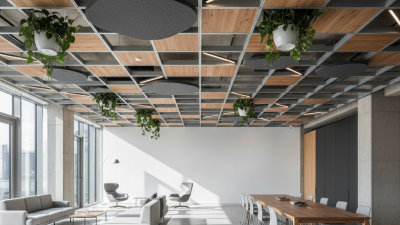
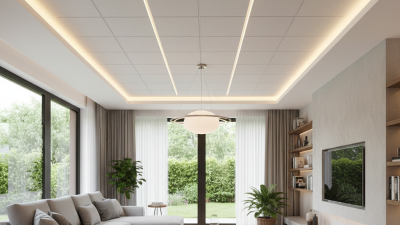
Designing with WPC panels means you can choose from various textures, colors, and finishes. They can mimic wood grain or offer sleek modern aesthetics. This flexibility caters to diverse architectural styles. For example, you can create cozy decks or stylish patio areas that fit any theme. Many manufacturers offer customizable solutions, ensuring the materials meet specific design preferences.
Tip: When selecting WPC panels, consider how the color and texture will complement your existing landscape. Sample pieces can help visualize the integration into your project.
However, some challenges exist. Not all WPC products are created equal; quality can vary widely between manufacturers. It's crucial to research and review the credentials of suppliers. Look for those with industry certifications that speak to their quality standards. This can prevent future issues related to durability and appearance. Another tip is to check for warranties that cover wear and tear, reinforcing your investment.