How to Install PVC Wall Boards for Your Home?
Installing PVC wall boards can transform your home’s interior with ease. This durable and versatile material offers a sleek finish. The process of PVC Wall Board Installation is more manageable than it seems. It can enhance aesthetics while providing resistance to moisture and damage.
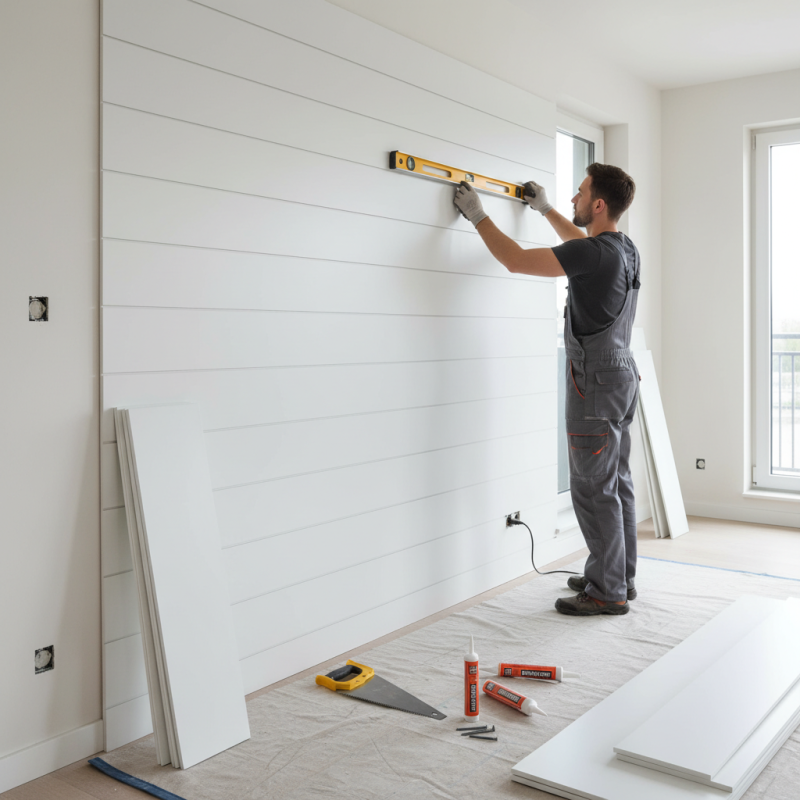
Choosing the right tools is crucial for success. You will need a level, a saw, adhesive, and maybe some screws. Preparing your walls is also essential. Ensure they are clean and dry before starting. Skipping this step could lead to issues later.
New DIYers may encounter challenges. Misalignment can happen, so take your time. If you make mistakes, don’t be discouraged. Every project has a learning curve. Reflecting on your experience can lead to better results next time. Embrace the process, and enjoy the transformation that comes with properly installed PVC wall boards.
Choosing the Right PVC Wall Boards: Types and Specifications
When selecting PVC wall boards, it's essential to consider several factors. A report from the Research Institute of Building Materials indicated that PVC wall boards accounted for nearly 25% of the wall finishing market in 2022. This indicates their growing popularity due to durability and easy maintenance.
There are various types available. Those made from rigid PVC provide a solid structure, while flexible ones can easily conform to different shapes. Standard sizes include 4x8 feet panels or custom cuts, allowing versatility in installation. Furthermore, the thickness typically ranges from 1/8 inches to 1/4 inches, impacting durability and insulation. Yet, thicker boards could be harder to manage during installation, which some DIY enthusiasts find challenging.
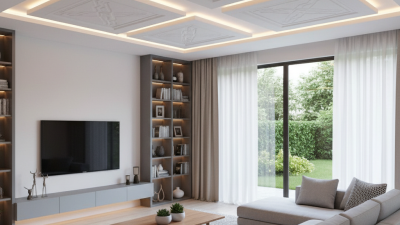
It's also crucial to check the specifications. Different colors, textures, and finishes can complement various interior styles. However, a mismatch could lead to less satisfactory results. Some boards may not adequately resist moisture, causing problems in high-humidity areas. Always ensure you read technical specifications carefully. Misjudging these can lead to additional costs or frustrations. Ensuring you have the right type for your specific environment and needs is paramount.
Preparing the Installation Area: Measurement and Surface Preparation
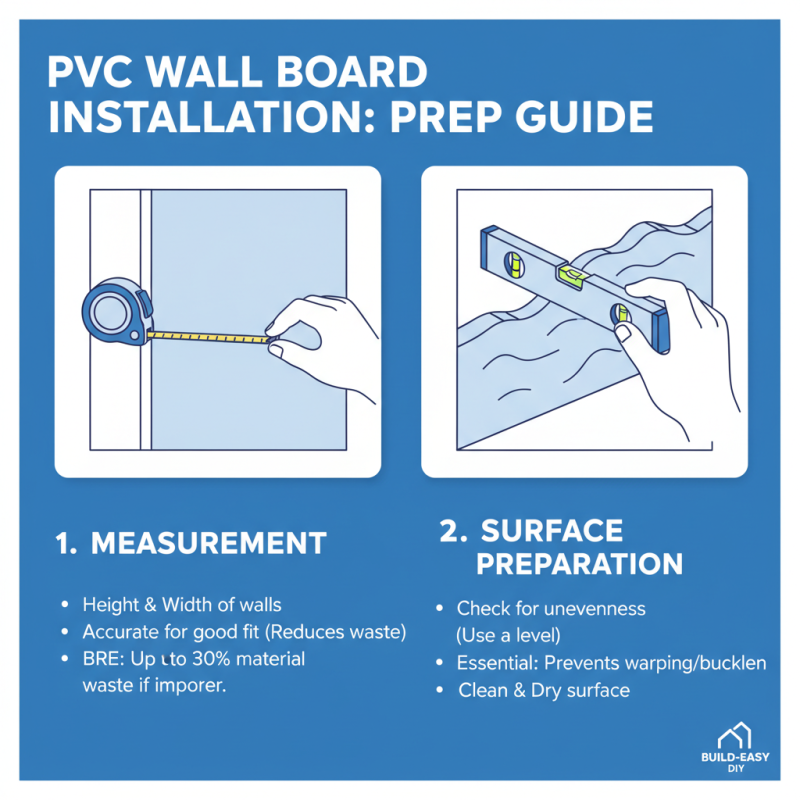
Preparing your installation area is crucial for a successful PVC wall board installation. Accurate measurements ensure a good fit. According to the Building Research Establishment, improper measurements can lead to up to 30% waste in materials. Start by measuring the height and width of the walls where the boards will be installed. Use a reliable level to check for any irregularities on the surface. This is essential, as uneven walls can cause the boards to warp or buckle.
Surface preparation involves more than just measuring. Ensure that the walls are clean and dry. If there are old paints or wallpapers, remove them. The Wall and Ceiling Manufacturers Association suggests that surface imperfections should be filled and sanded smooth. This may seem tedious, but it's key to achieving a professional finish. Without proper prep, even the best materials can falter. Take time to examine the alignment of the studs or framework beneath. This step isn't just a formality; it can significantly affect the final outcome. A little extra effort now can save headaches later.
Tools and Materials Required for Installing PVC Wall Boards
When installing PVC wall boards, having the right tools and materials is crucial for a successful project. The first essential tool is a utility knife. This allows clean cuts on the PVC panels. A measuring tape ensures precise sizing for your wall area. A level helps maintain straight lines, ensuring a professional finish. According to industry reports, proper preparation can reduce installation errors by up to 30%.
Materials are equally important. You will need high-quality PVC wall boards that suit your design needs. Adhesive for PVC, preferably moisture-resistant, keeps boards secured. Also, consider using caulk for sealing edges. Studies indicate that improper sealing can lead to moisture issues, affecting both durability and aesthetics of the panels.
Remember to wear safety gear when handling tools. Safety goggles protect your eyes from debris. Dust masks can be useful if cutting materials creates particles. In some cases, people forget about the cleanup process, which can lead to hazards later. It's essential to create a tidy workspace throughout the installation. Following these steps can significantly enhance your project's outcome and longevity.
Step-by-Step Installation Process: From Cutting to Securing Panels
Installing PVC wall boards can enhance the aesthetics of any room. Start by gathering necessary tools like scissors, a level, and adhesive. Measure the wall space accurately. Ensure you have enough panels to cover the area. Mistakes in measurement can lead to wasted materials. A guide or tape can help prevent errors.
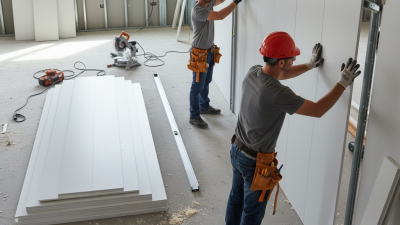
Cutting the panels requires precision. Use fine-toothed scissors to get clean edges. If the panels are awkward to handle, you might find it easier to cut them on a flat surface. After cutting, test fit each piece. This step avoids frustration when securing them to the wall. Sometimes, adjustments are needed for a perfect fit.
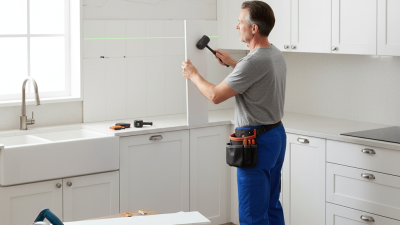
Next, apply adhesive evenly on the back of each panel. Press firmly against the wall, ensuring it is straight using a level. You may want to hold each panel for a minute or two. Allow the adhesive to set properly. Be patient; rushing this step may cause the panels to shift. After securing all panels, inspect the edges for any gaps. Small adjustments can significantly improve the final look.
Maintenance Tips for Long-lasting PVC Wall Boards in Your Home
When it comes to maintaining PVC wall boards, regular care is essential. Dust and dirt can accumulate, so wipe down the surfaces weekly. Use a damp cloth and mild detergent for cleaning. Avoid abrasive materials, as they can scratch the surface. It's easy to overlook this simple step, but frequent cleaning goes a long way in preserving the look.
Inspect your wall boards monthly. Look for any signs of damage or wear. Small scratches can often be fixed with a vinyl repair kit. Don't wait until they become larger issues. Improper installation can lead to gaps, which might allow moisture to accumulate and cause problems later. Pay close attention to edges and corners, where damage is more likely to occur.
Consider using protective coverings, especially in high-traffic areas. These guards can be simple add-ons that buffer against wear and tear. Even the best materials can suffer if forgotten. Stay on top of maintenance routines and keep a checklist. Being proactive in care makes all the difference in the longevity of your PVC wall boards.
Maintenance Tips for Long-lasting PVC Wall Boards