What You Need to Know About Suspended Ceiling Grid Solutions?
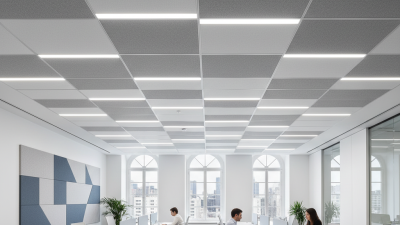
Suspended Ceiling Grid solutions exist at the intersection of function and design. In commercial spaces, these ceilings account for significant aesthetic and acoustic enhancements. A recent report indicates that the global suspended ceiling market is projected to reach $6.8 billion by 2026, highlighting their importance in building projects.
Understanding the intricacies of Suspended Ceiling Grid installation is crucial for architects and builders alike. The choices made in grid types affect installation time and costs. Proper selection can improve indoor air quality and acoustics. Yet, many overlook the potential pitfalls, such as inadequate support or improper alignment, which can lead to costly rework.
Considering the advancements in ceiling materials, it's clear that sustainability plays a vital role. A study revealed that eco-friendly ceilings can reduce energy costs by up to 30%. Though these benefits are substantial, careful planning and execution are essential to avoid mistakes that may undermine these advantages. The world of suspended ceilings is dynamic and complex, inviting continual learning and adaptation.
Overview of Suspended Ceiling Grid Systems
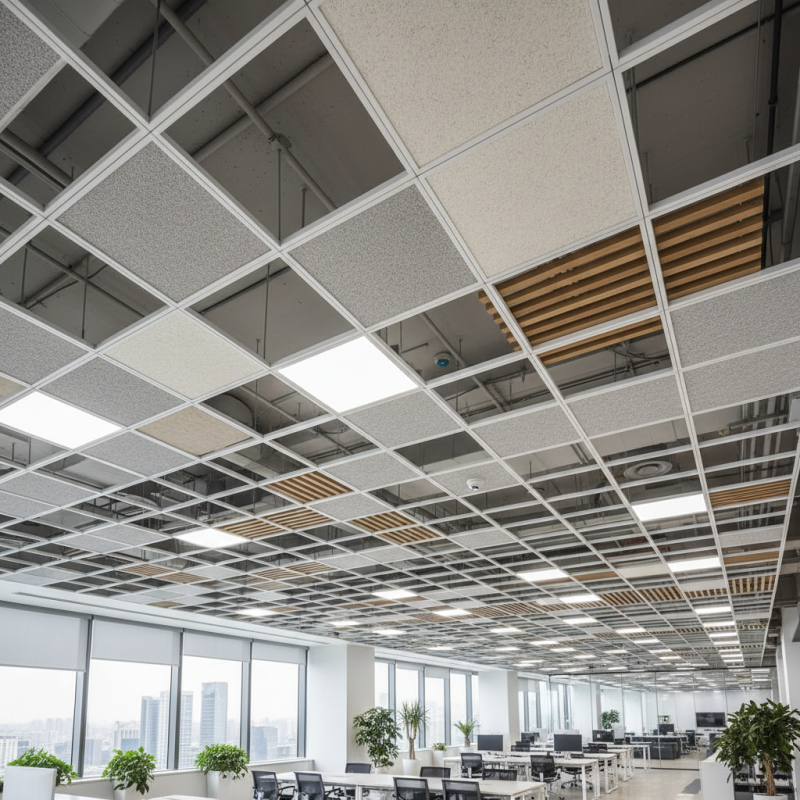
Suspended ceiling grid systems are essential in modern architecture. These systems allow for easy installation and maintenance of ceilings. They help conceal wiring and plumbing, creating a seamless look. According to industry reports, over 50% of commercial buildings now use suspended ceilings. This design choice enhances both aesthetics and functionality.
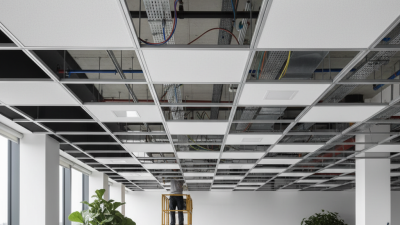
The structure consists of a grid framework that supports ceiling tiles. Commonly made from galvanized steel or aluminum, these grids are robust yet lightweight. The installation process is relatively straightforward, often completed within a few days. However, various factors can affect performance. For instance, humidity levels can warp panels over time. Regular checks are crucial for upkeep.
It's important to note that while suspended ceiling grids offer many advantages, they also have limitations. Sound absorption can vary significantly between materials. Thus, choosing the right tile is vital for acoustic control. Additionally, specific fire codes may restrict some designs. Awareness of these regulations is necessary for compliance and safety.
Suspended Ceiling Grid Systems Overview
This bar chart displays the market share of various suspended ceiling grid materials. Aluminum leads the market with 30%, followed closely by Steel at 25%, with other materials like PVC, Mineral Fiber, and Wood having lower shares. Understanding these trends can help in making informed decisions for ceiling installation and renovations.
Types of Suspended Ceiling Grids Available
Suspended ceiling grids are essential in modern interior design. They offer various options to meet different building needs. Common types include standard grid systems, concealed grids, and exposed grids.
Standard grid systems are popular for many commercial spaces. They provide ease of access to electrical and plumbing systems. According to industry reports, the global suspended ceiling market will reach $6 billion by 2025. This suggests a growing demand for versatile grid solutions.
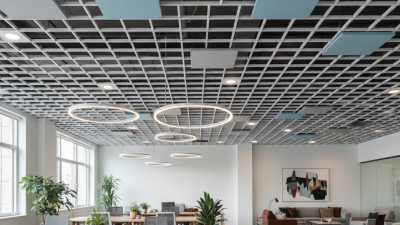
Concealed grids create a sleek appearance. They hide the supporting framework, giving a clean aesthetic. However, their installation may require expertise, making them less accessible for DIY projects. Exposed grids, on the other hand, showcase ceiling tiles. This can enhance the industrial design visibility, but it may not suit every style. Each grid type has its pros and cons, depending on installation costs and design preferences. Ensuring the right choice can greatly impact both functionality and aesthetics in a space.
What You Need to Know About Suspended Ceiling Grid Solutions
| Type of Ceiling Grid |
Material Used |
Common Applications |
Advantages |
| PVC Grid |
Polyvinyl Chloride |
Commercial Spaces, Restaurants |
Water-resistant, easy to clean |
| Metal Grid |
Steel or Aluminum |
Office Buildings, Retail Stores |
Durable, fire-resistant |
| Mineral Fiber Grid |
Mineral Fiber |
Educational Institutions, Hospitals |
Sound absorption, cost-effective |
| Wood Grid |
Engineered Wood |
Residential Homes, Art Studios |
Aesthetic appeal, natural insulation |
Benefits of Installing a Suspended Ceiling Grid
Installing a suspended ceiling grid has several benefits that can enhance your space. These ceilings provide an excellent way to conceal wiring, pipes, and ductwork in various settings. They can elevate the aesthetics of your room while offering practical advantages. For instance, these grids improve sound insulation and can help manage ambient noise in busy environments.
Using a suspended ceiling grid can also improve energy efficiency. By creating a gap between the original ceiling and the grid, you can add insulation. This additional layer helps maintain comfortable temperatures, leading to lower energy bills. It's important to remember that poor installation can lead to issues like sagging or misalignment. Regular checks and maintenance are crucial for long-lasting performance.
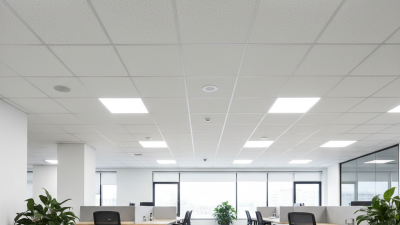
Tips for success: Always measure your space accurately before installation. Ensure that your grid panels are level and secure. If you need to adjust any panels, do so carefully to avoid damaging them. Be mindful of the lighting fixtures you choose. They should complement the overall design without making the ceiling feel cramped. A well-planned suspended ceiling grid delivers both beauty and functionality.
Key Considerations When Choosing Ceiling Grid Solutions
When selecting suspended ceiling grid solutions, several key factors must be carefully evaluated. A study by the Ceilings and Interior Systems Construction Association (CISCA) indicates that the wrong choice can lead to increased costs and installation challenges. Understanding the environmental impact is vital. Look for materials that contribute to sustainability, as nearly 70% of consumers prefer eco-friendly operations in commercial spaces.
Aesthetics also play a significant role. According to industry reports, approximately 80% of building owners prioritize visual appeal when choosing ceiling solutions. The grid's design should complement the overall architecture. Additionally, height adjustments can affect lighting and acoustics. It’s essential to consider these aspects early in the planning stage.
Cost considerations cannot be overlooked. The average price range varies significantly based on material and design complexity. Focus on total lifecycle costs rather than just upfront expenses. Sometimes, a cheaper option may lead to higher maintenance costs later. Notably, about 25% of projects exceed budgets due to unforeseen ceiling issues. It's important to conduct a thorough assessment before finalizing any decisions.
Installation and Maintenance Tips for Ceiling Grids
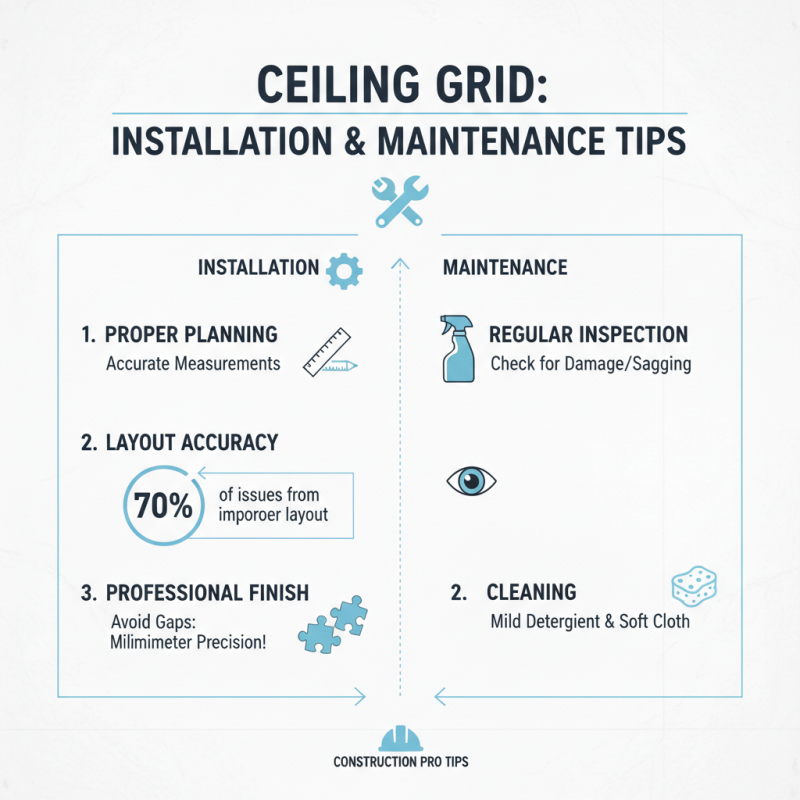
When installing a suspended ceiling grid, proper planning is essential. Accurate measurements save time and materials. A significant 70% of installation issues stem from improper layout. Layout accuracy is crucial for achieving a professional finish, as even a few millimeters off can lead to visible gaps and uneven panels.
Regular maintenance is equally important to ensure longevity. Experts recommend a yearly inspection. Look out for signs of moisture, which can degrade grid systems and ceiling tiles. According to industry studies, 30% of suspended ceilings fail due to water damage. Ensuring drainage systems function correctly helps prevent this.
Avoid clutter during installation. Clear the area of tools and debris. This reduces the chance of accidents, allowing for a smoother process. If grid systems are not maintained, they can become a breeding ground for mold. Regular cleaning and inspection can go a long way toward ensuring a high-quality environment and preserving aesthetics.