Top Tips for Choosing the Best False Ceiling Grid for Your Space?
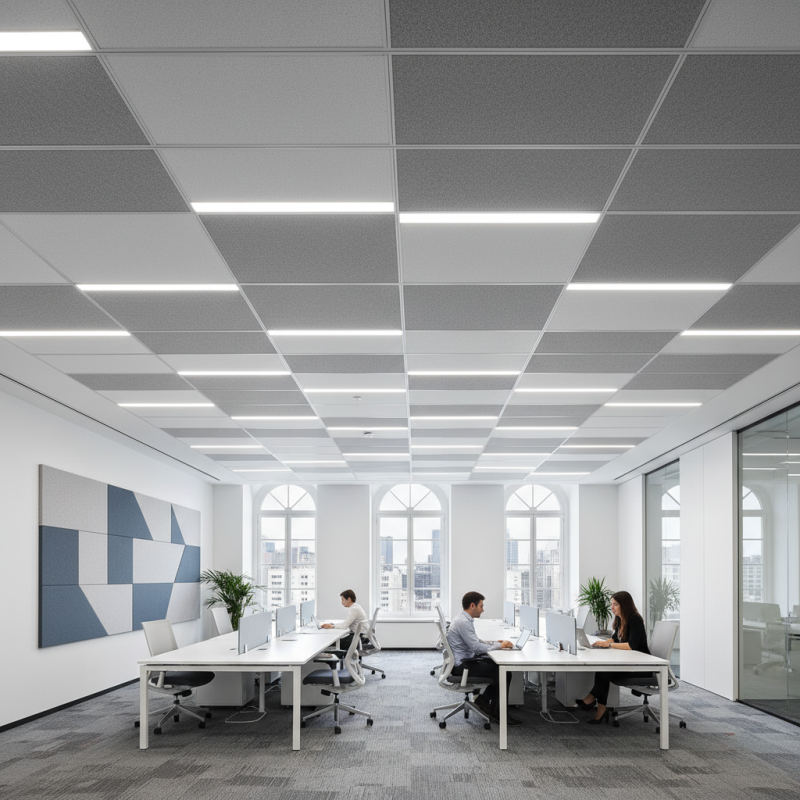
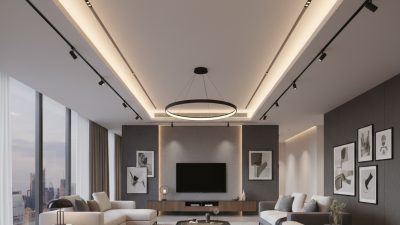
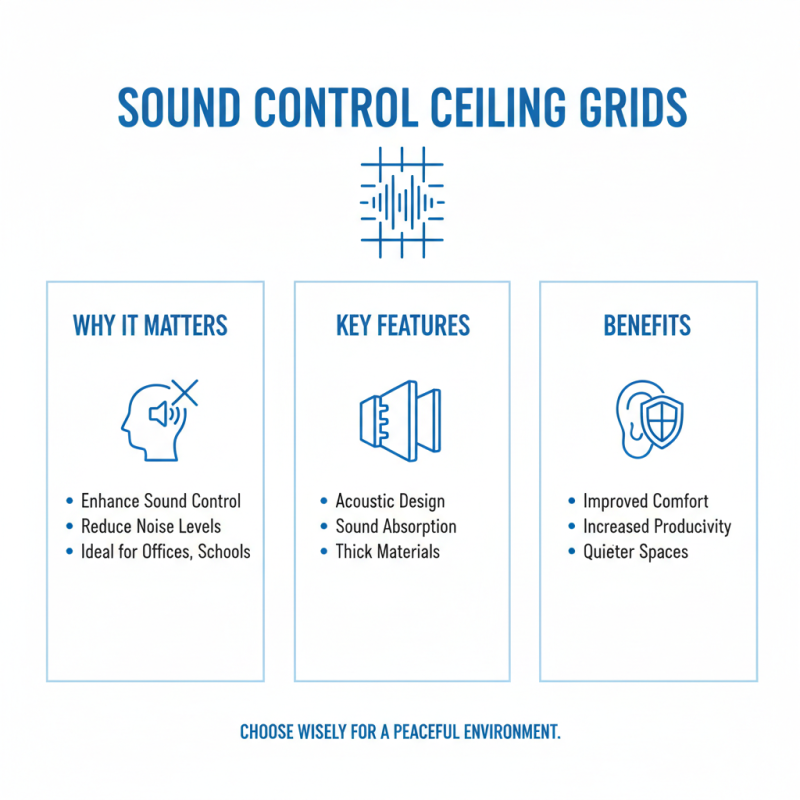
Choosing the right False Ceiling Grid can significantly impact your space. It affects aesthetics, acoustics, and lighting. A well-chosen grid enhances the overall look while providing functionality. Many options exist, making the selection process challenging.
Consider the style of your room. A modern grid can complement sleek furnishings, while a more traditional design suits classic interiors. Evaluate materials too. Metal grids are durable, while vinyl options offer versatility. Think about how the grid will interact with lighting fixtures.
Keep in mind that not every grid works for every space. Size, height, and purpose play crucial roles. A large room may require a different grid than a small office. Reflect on your specific needs before deciding. This decision deserves careful thought. Embrace the journey of finding the perfect False Ceiling Grid for your project.
Understanding Different Types of False Ceiling Grids Available in the Market
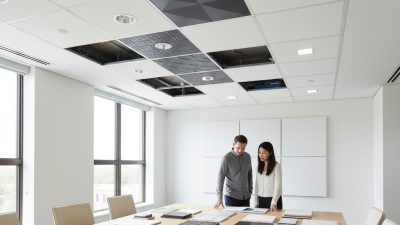
When choosing a false ceiling grid, it's essential to understand the various types available in the market. A T-bar grid is one popular option. It's simple to install and often used in homes and offices. This grid allows for easy access to plumbing and electrical systems. However, it may not always provide the best aesthetic appeal.
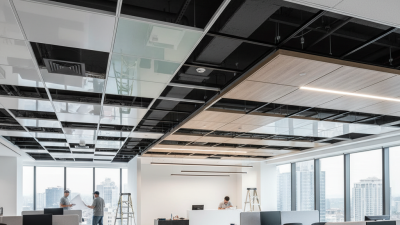
Another type is the concealed grid system. It gives a seamless look, as the grid is hidden from view. This type can make a space feel more spacious and modern. Yet, it may be costlier and more complex to install. It's crucial to weigh the visual advantages against the installation challenges.
There are also decorative grids available. These can enhance the overall look of your space. They come in various styles and materials, catering to different tastes. However, they might require more maintenance and care. Choosing the right grid isn't simply about looks; it's also about functionality and upkeep. Balancing these aspects can lead to better decision-making.
Evaluating Material Selection: Aluminum, Steel, and Gypsum Options
When choosing a false ceiling grid, material selection is crucial. Three popular options are aluminum, steel, and gypsum. Each has unique characteristics to consider for your space.
Aluminum grids are lightweight and resistant to moisture. They can enhance aesthetics with various finishes. However, they may not provide the same level of sound insulation as other materials. Think about your space's acoustics before making a choice.
Steel grids offer strength and durability. They can support heavier ceiling tiles but may be prone to rust in humid environments. This is a significant drawback. Assess the humidity levels in your area before opting for steel.
Gypsum grids are versatile and can provide excellent sound insulation. They might require more maintenance and can be sensitive to moisture. Regular checks for damage are essential. It's important to weigh these options carefully. Each material has its pros and cons. Take your time. Every detail matters in the long run.
Material Selection for False Ceilings
Important Structural Considerations for Ceiling Grid Installation
When considering false ceiling grid installation, structural integrity is crucial. According to a report by the American Society of Interior Designers, approximately 25% of ceiling failures are due to inadequate support. Ensuring that the grid is compatible with the building's structure is essential. A thorough assessment of load-bearing capacity can prevent potential damage and costly repairs.
Tips: Always assess local building codes. They dictate the required materials and installation methods. Ignoring these could lead to compliance issues down the line.
Selecting the right materials is another key factor. Lightweight grids are popular but may not be suitable for all spaces. Additionally, it's important to consider moisture levels, especially in areas like kitchens and bathrooms. A report from the National Association of Home Builders indicates that improper moisture management can lead to mold growth.
Tips: Choose moisture-resistant grids for humid environments. They can save you from future problems. It’s a common mistake to neglect this detail, risking overall ceiling longevity.
Top Tips for Choosing the Best False Ceiling Grid for Your Space
| Consideration |
Importance |
Recommended Material |
Common Applications |
| Load Bearing Capacity |
High |
Metal Grid |
Commercial Spaces |
| Aesthetic Appeal |
Medium |
Gypsum Board |
Residential Areas |
| Moisture Resistance |
High |
Mineral Fiber |
Bathroom or Kitchen |
| Fire Resistance |
High |
Fiberglass |
Commercial Buildings |
| Cost-effectiveness |
Medium |
PVC |
Low-budget Areas |
Aesthetic Factors: Design Trends and Customization Options for Ceilings
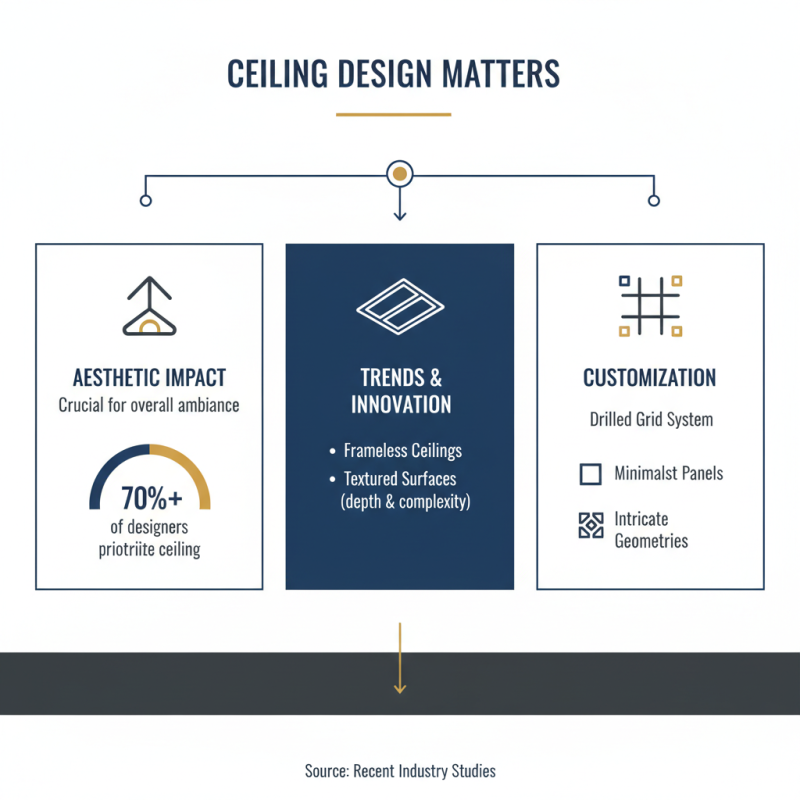
When designing a space, aesthetic factors play a crucial role. The ceiling is often overlooked but can significantly impact the overall ambiance. Recent studies reveal that over 70% of interior designers emphasize the importance of ceiling designs in their projects. Trends show frameless ceilings and textured surfaces can add depth and complexity. Customization options are essential. A drilled grid system allows for various panel designs, from minimalist to intricate geometries.
Color choices are also pivotal. Shades of white remain popular, but warm hues are gaining traction. According to industry reports, about 30% of homes now feature uniquely colored ceilings. This shift towards bold designs reflects a larger trend toward personalization in home decor. Many homeowners are experimenting with their ceiling aesthetics, but some may fall into the trap of over-complicating designs. Balance is key. A cluttered ceiling can overwhelm a room.
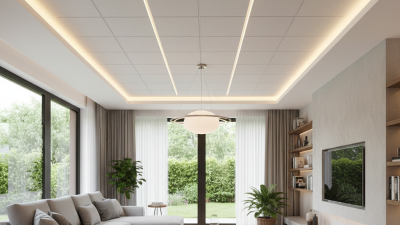
Lighting integration is another area requiring careful thought. Too much light can distort the ceiling's appearance. Ideal lighting enhances the texture and color of ceilings. Designers recommend a mix of ambient and accent lighting to highlight design elements effectively. However, achieving this balance can be challenging, and many underestimate its complexity. An effective ceiling design is not just about looks; it's about creating a cohesive space that resonates with its users.