Top 5 Tips for Choosing Sandwich Insulation Board?
Choosing the right Sandwich Insulation Board can significantly impact your project. The correct board enhances energy efficiency, noise reduction, and structural integrity. A high-quality insulation board can lower heating and cooling costs. It's essential to consider various factors when making your selection.
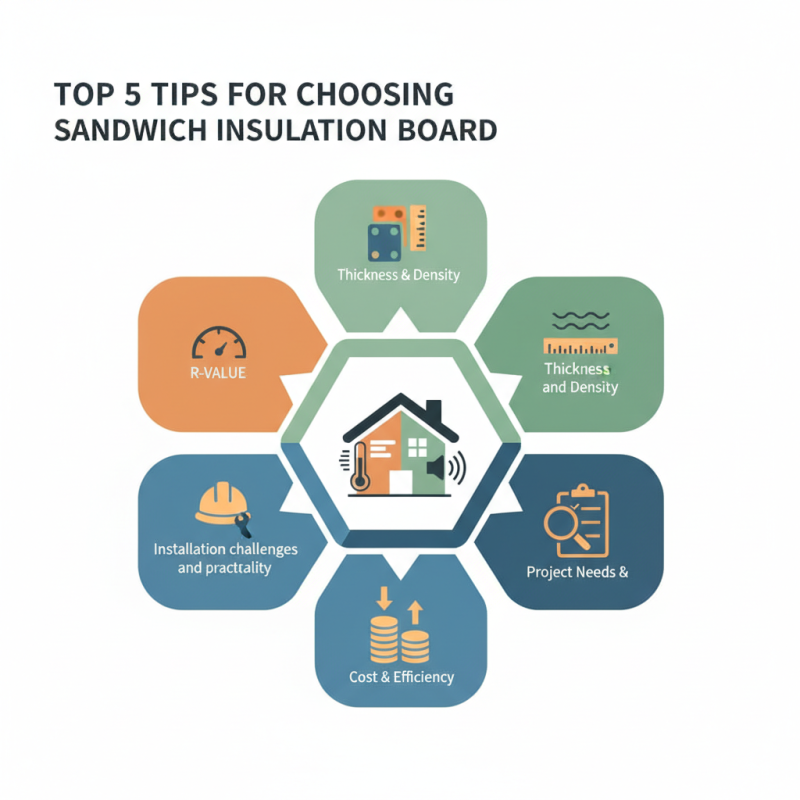
First, examine the insulation material. Different types of materials offer distinct benefits. Evaluate the R-value for thermal resistance. Not all boards provide the same level of insulation. Some may appear affordable but lack efficiency.
Think about the board's thickness and density. Thicker boards often provide better insulation but can be harder to handle. You may face installation challenges. The right balance between thickness and practicality is crucial. Remember, the perfect Sandwich Insulation Board may not exist. Reflect on the project's unique needs and constraints.
Understanding Sandwich Insulation Board: Overview and Benefits
Sandwich insulation board is a popular choice for many construction projects. It consists of two outer layers with an insulating core in between. This design offers excellent thermal performance. It helps maintain comfortable indoor temperatures. Additionally, it can reduce heating and cooling costs significantly.
One key benefit of sandwich insulation board is its lightweight nature. This feature makes it easier to handle and install. However, the ease of installation can sometimes lead to oversights. Poor alignment can reduce insulation effectiveness. Choosing the right thickness is another consideration. A board that is too thin may not provide sufficient insulation.
These boards also come with a variety of finishes. Some are designed for aesthetics, while others focus on durability. It's essential to understand your specific needs before making a selection. Not all boards will perform equally in every environment. Evaluating installation conditions is crucial. Sometimes, what seems ideal may not work as expected.
Top 5 Tips for Choosing Sandwich Insulation Board
Key Factors in Selecting the Right Material for Insulation Boards
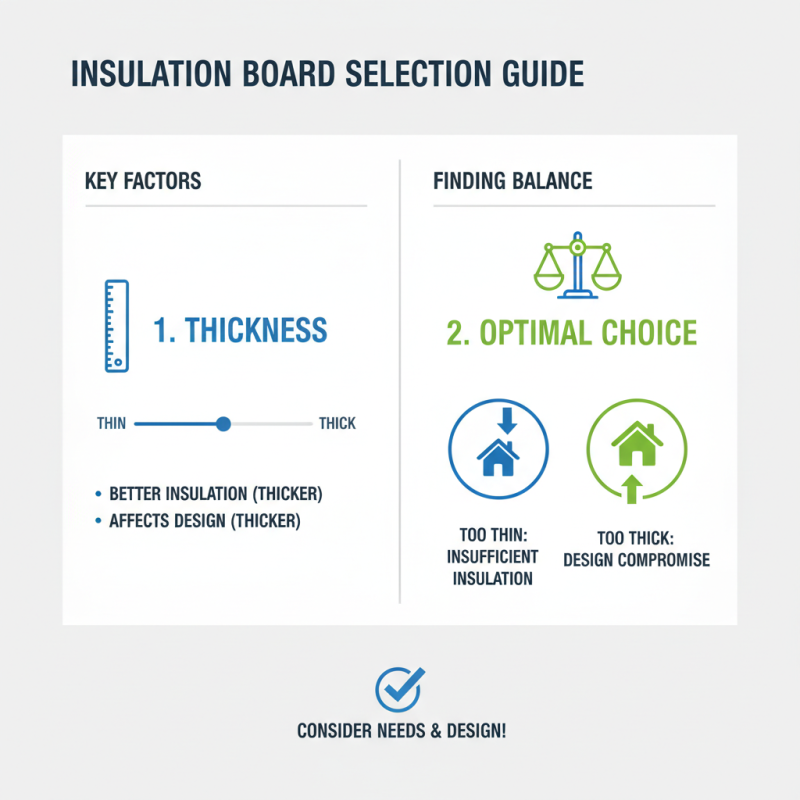
When selecting insulation boards, several key factors come into play. The thickness of the board is critical. Thicker boards generally provide better insulation but can also affect design. Many users overlook this balance and end up with boards that are either too thick or too thin for their needs.
Another important aspect is the material itself. Common options include polystyrene and polyurethane, each with unique properties. Polystyrene is often more cost-effective but may not perform as well in extreme temperatures. On the other hand, polyurethane offers superior thermal resistance. Users must consider where the insulation will be installed. Some materials are better suited for specific environments, and this choice can significantly impact energy efficiency.
Finally, it’s essential to assess the board's fire resistance. Not all insulation boards are equally safe. Some may not meet necessary safety standards. Users sometimes forget to check these ratings, risking safety for cost savings. Evaluating these factors carefully can lead to a more effective insulation solution.
Evaluating R-Value and Thermal Performance in Insulation Choices
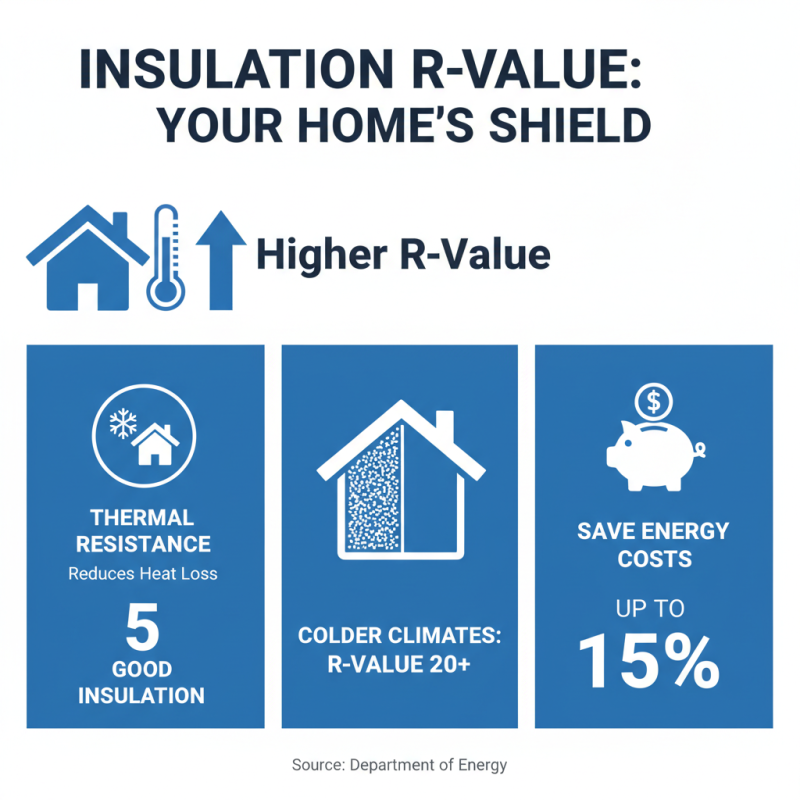
When selecting insulation materials, R-value is a critical factor. R-value measures thermal resistance. Higher R-values indicate better insulation performance. For instance, a board with an R-value of 5 can reduce heat loss significantly. In colder climates, achieving an R-value of 20 or more is often ideal. A study from the Department of Energy highlights that proper insulation can save homeowners up to 15% on energy costs.
Thermal performance also involves the material's longevity. Some boards can lose R-value over time due to moisture absorption or sagging. Research shows that mineral wool insulation can retain its R-value well in humid conditions. Conversely, polystyrene boards may suffer in similar environments. It's crucial to consider local climate impacts on insulation efficiency.
Choosing insulation requires balance. Budget constraints often lead to compromises in thermal performance. A cheaper board may save money upfront. However, it might lead to higher long-term expenses on energy bills. Homeowners need to weigh these factors carefully. Investing in quality insulation can provide comfort and sustainability.
Cost-Effectiveness and Long-Term Savings of Sandwich Insulation Boards
Choosing the right sandwich insulation board can be crucial for your project. Cost-effectiveness is a significant factor. While initial costs may seem high, consider the long-term savings. Quality boards can significantly reduce energy bills. This leads to savings year after year. Investing wisely today pays off tomorrow.
The insulation’s durability matters too. Poor choices may lead to repairs and replacements. Think about the long-term impact of what you select. Higher upfront costs can mean fewer headaches later. You might be tempted to go for cheaper options. However, think twice—what seems cost-effective can quickly become expensive.
Installation is another area to reflect on. Complex setups can lead to unplanned expenses. Simplicity usually brings savings. Assess your installation process carefully before making a decision. Overall, finding the right sandwich insulation board involves balancing cost and functionality. Each choice has its consequences. Make sure to consider them thoroughly.
Top 5 Tips for Choosing Sandwich Insulation Board
| Tip |
Description |
Cost-Effectiveness |
Long-Term Savings |
| 1. Assess R-Value |
Choose boards with higher R-values for better insulation. |
Higher initial cost can lead to lower energy bills. |
Saves money on heating/cooling costs over time. |
| 2. Material Choice |
Consider materials like polyurethane or polystyrene for efficiency. |
Initial higher cost, but durable and effective. |
Reduced replacement costs due to durability. |
| 3. Installation Quality |
Ensure professional installation for maximum performance. |
Avoids costly mistakes during installation. |
Longer lifespan due to proper application. |
| 4. Local Climate |
Select insulation that suits your geographic area's climate. |
Optimizes performance for specific weather conditions. |
Enhances energy savings in the long run. |
| 5. Fire Safety Ratings |
Check the fire resistance ratings of the boards. |
May influence initial costs based on safety ratings. |
Potentially lowers insurance costs through increased safety. |
Environmental Impact and Sustainability Considerations in Insulation Selection
When selecting sandwich insulation boards, environmental impact should be a key factor. Many materials can pollute during production and disposal. Therefore, it's essential to choose boards made from recycled or sustainable materials. Ask questions about the sourcing and lifecycle of the product. Understand the ecological footprints associated with different options.
Another consideration is energy efficiency. Insulation plays a vital role in energy use. The better the insulation, the less energy a building requires. This leads to lower carbon emissions over time and contributes to sustainability goals. However, not all insulation boards perform equally. Some underperform in real-world conditions.
Remember to check for certifications that indicate environmental standards. These may include ratings for recycled content or reduced emissions. While these standards are helpful, they can be confusing. Not every manufacturer offers clear information. Take time to research and ensure you’re making a conscious choice. As you navigate these factors, reflect on how your choice impacts the planet and future generations.