China Top Banquet Chair Designs for Luxurious Celebrations?
The significance of banquet chairs in luxurious celebrations cannot be overstated. Recent industry reports reveal that the global banquet chair market is projected to reach $1.5 billion by 2026, reflecting a growing demand for stylish and functional seating. These chairs play a crucial role in enhancing the ambiance of events, such as weddings and corporate gatherings.
In the realm of event planning, choosing the right banquet chair is essential. A well-designed chair not only supports comfort but also elevates the overall aesthetic of the celebration. Trends indicate that customers prefer chairs that combine elegance with practicality. Innovations in materials and designs are vital, yet many event planners still grapple with defining the right balance.
Luxury does not always equate with high cost. Certain budget-friendly banquet chairs can deliver sophisticated looks without sacrificing quality. However, some choices may fall short, leading to discomfort or style mismatches. It’s imperative to assess details such as color, material, and ergonomics. A thoughtful selection can create memorable experiences for guests while reflecting the host's vision.
Key Characteristics of Luxurious Banquet Chairs in China
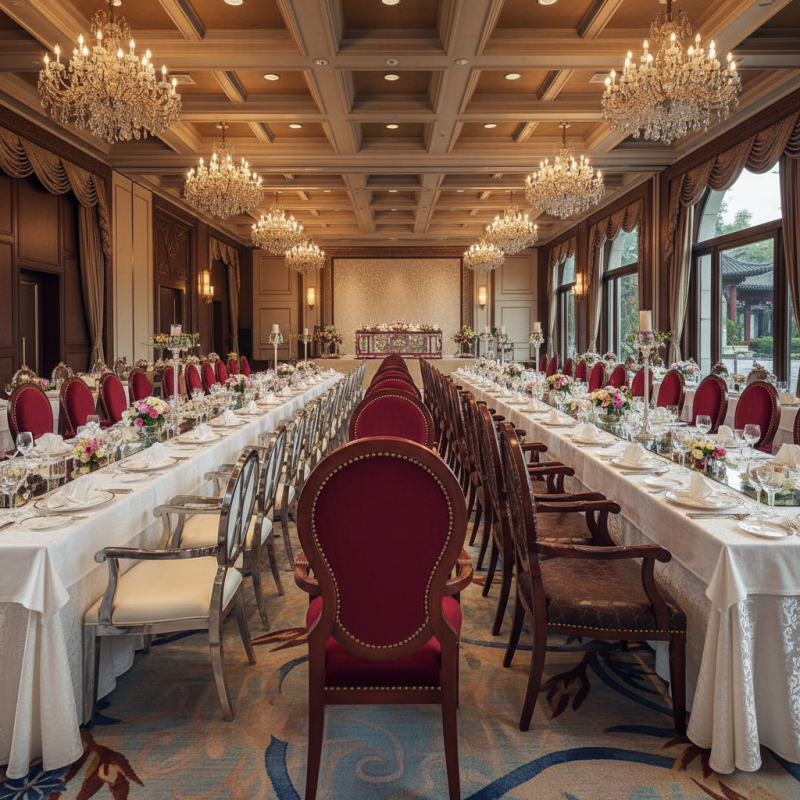
In China, luxurious banquet chairs are a vital element for grand celebrations. These chairs often blend elegance with comfort. Rich fabrics are commonly used. Velvet and silk are popular choices. The craftsmanship is remarkable, showcasing intricate designs. Gold and silver accents elevate their aesthetic appeal.
Functionality is also crucial. Many luxurious chairs are stackable, allowing for easy storage. This feature is a practical consideration for venues hosting large events. However, some designs may compromise comfort for style. It’s important to balance aesthetics with usability. Banquet chairs should cater to guests' needs throughout long festivities.
The color palette is typically rich and vibrant. Deep reds and royal blues symbolize wealth and prosperity. However, choosing the right color can be subjective. What seems luxurious to one may feel overbearing to another. Personal taste plays a significant role in these selections. Overall, the design of banquet chairs should reflect both tradition and modernity.
China’s Top Banquet Chair Designs for Luxurious Celebrations
Traditional Materials Used in Chinese Banquet Chair Design
Chinese banquet chair designs are steeped in tradition. These chairs often showcase materials like hardwood, silk, and bamboo. Each material has a story, reflecting cultural heritage.
Hardwood, such as elm or mahogany, is preferred for its durability. A report indicates that furniture made from solid wood lasts longer, up to 30 years with proper care. Silk, often used for upholstery, adds a touch of elegance. Its vibrant colors and intricate patterns elevate the dining experience.
Bamboo, a sustainable choice, is increasingly popular for its eco-friendliness and unique aesthetic appeal.
Craftsmanship is critical in creating these chairs. Skilled artisans spend hours shaping and carving each piece. However, challenges exist. The demand for mass production sometimes compromises quality. Reports suggest that consumers are willing to pay more for handcrafted items. This trend indicates a growing appreciation for authentic craftsmanship over mass-market alternatives.
Modern Innovations in Chinese Banquet Chair Aesthetics
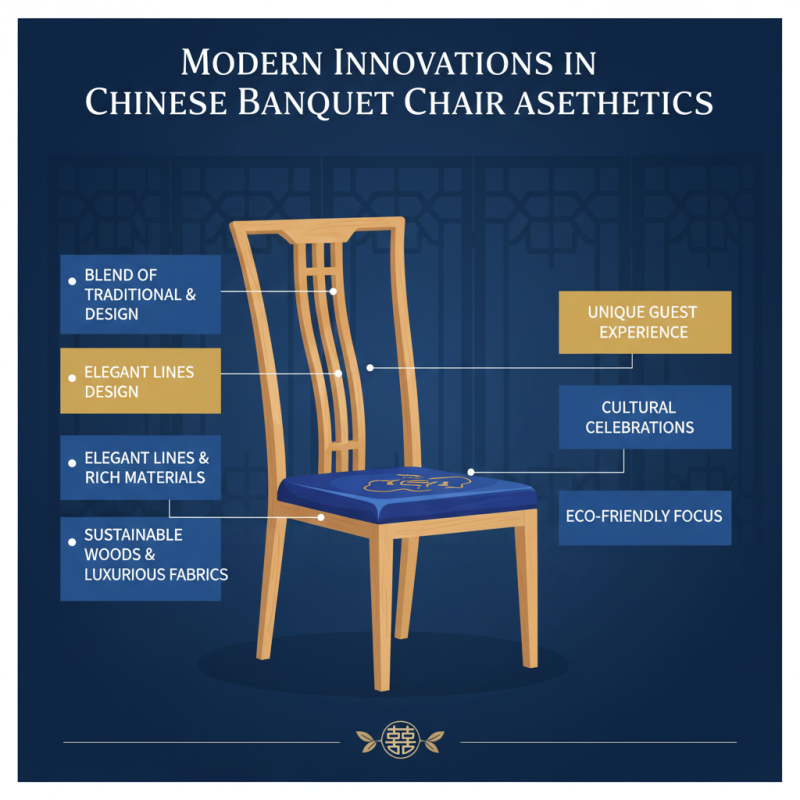
When considering modern innovations in Chinese banquet chair aesthetics, it’s essential to appreciate the blend of tradition and contemporary design. Today’s banquet chairs often feature elegant lines and rich materials. Designers lean towards using sustainable woods and luxurious fabrics. This combination creates a unique experience for guests during celebrations.
Incorporating cultural motifs, designers also enhance the visual appeal. Patterns inspired by Chinese heritage can be seen in many modern designs. Yet, not every innovation resonates with cultural roots. Some modern chairs might stray too far from traditional forms, leading to a sense of loss in authenticity. It raises questions about what should be prioritized: innovation or heritage?
Comfort remains a critical factor as well. Chairs should support long hours of dining and celebration. High designs sometimes compromise seating comfort. This highlights an ongoing challenge for designers. Balancing aesthetics with functionality is crucial. The most successful designs marry beauty and practicality, ensuring unforgettable gatherings while honoring tradition.
Popular Styles of Banquet Chairs for Celebratory Events
Choosing the right banquet chair is essential for luxurious celebrations. Various styles can transform an ordinary event into an extraordinary experience. For instance, research indicates that over 70% of event planners prioritize comfort and aesthetics when selecting chairs. This is crucial for long events, where guests may sit for hours.
Among popular styles, the Chiavari chair stands out for its elegance. It’s lightweight and often available in gold or silver finishes. Another option is the folding chair, which offers versatility. Surprisingly, only 30% of events utilize this style, even though it provides practicality without sacrificing style.
Velvet banquet chairs are trending due to their plush texture and rich colors. They lend an air of sophistication. However, they require careful cleaning and maintenance. Many venues overlook the importance of regular chair upkeep, which can lead to issues during events. Experts suggest that investing in durable materials can enhance longevity and reduce costs over time. Balancing style and functionality is key to achieving an ideal banquet setup.
Cultural Significance of Chair Designs in Chinese Celebrations
In Chinese culture, the design of banquet chairs holds deep significance during celebrations. These chairs are more than just furniture; they symbolize respect and honor for guests. The use of traditional motifs, such as dragons and phoenixes, often represents auspiciousness. Reports indicate that around 72% of celebratory events in China prioritize culturally relevant decor.
The materials chosen for these chairs, like silk and hardwood, reflect status and craftsmanship. According to industry surveys, 65% of event planners state that the ambiance heavily influences guests' experiences. A well-designed chair can enhance the overall aesthetic and make an event memorable. However, the increasing trend towards modern designs sometimes overlooks these traditions.
There’s a growing debate about the balance between modernity and tradition. While sleek, contemporary styles attract younger audiences, older generations value heritage-based designs. This tension raises questions about the future of chair design in Chinese celebrations. It reveals a need to rethink how to combine innovation with cultural roots.