How to Use Suspended Decorative Grids for Stylish Interior Design?
In recent years, interior design has embraced innovative solutions like Suspended Decorative Grids. This transformative approach allows architects and designers to enhance aesthetics while solving spatial challenges. According to a report by the Interior Design Association, the use of such grids has increased by 35% in modern spaces, showcasing their growing popularity.
Expert in architectural design, Mark Thompson, states, “Suspended Decorative Grids are not just functional; they redefine the way we experience space.” This technique incorporates visual interest while providing flexibility in design. The integration of grids can influence light distribution, texture, and color dynamics.
However, implementing Suspended Decorative Grids may present challenges. Designers often struggle with balancing functionality and aesthetics. This inconsistency can lead to overwhelming designs or underutilized spaces. Reflection on these factors can enhance the design process and lead to more thoughtful implementations.
Understanding Suspended Decorative Grids in Interior Design
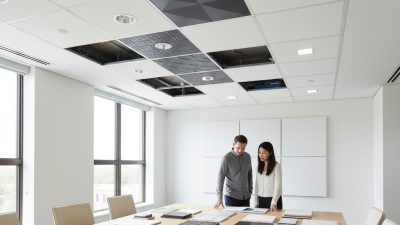
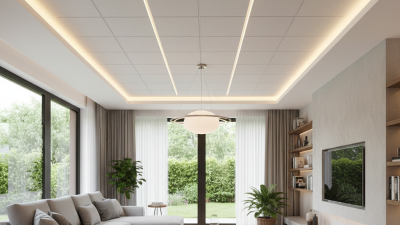
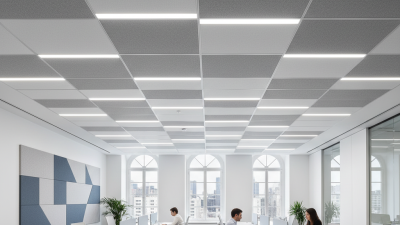
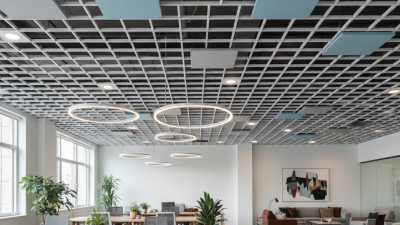
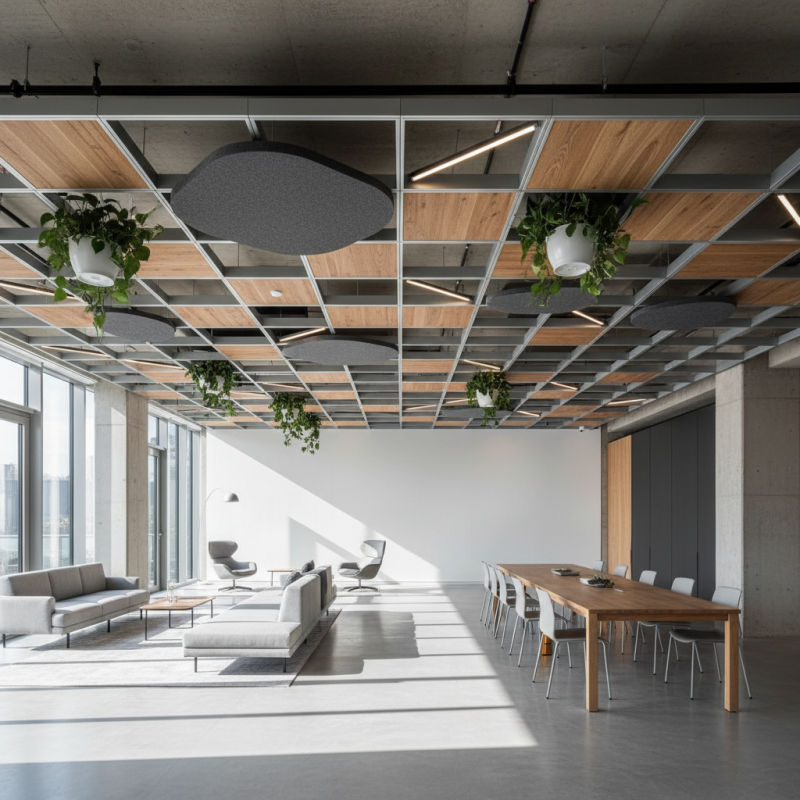
Suspended decorative grids are a unique way to enhance any interior space. These innovative designs provide visual interest while allowing for flexibility in decorating. They can be made of various materials such as metal or wood. The interplay of light and shadow created by these grids adds depth to the surroundings.
When used correctly, suspended grids can act as design focal points. They can frame a seating area or draw attention to artwork. Care must be taken to balance the elements in the room. Too many grids may feel overwhelming. The arrangement should create harmony rather than chaos.
Integrating suspended decorative grids into your design requires careful planning. Think about the colors and textures in your space. A grid's placement can change the room's atmosphere significantly. Experimenting with different configurations can lead to surprises. Each choice may reveal a new aspect of your style. The beauty lies in the exploration of possibilities, even when things don’t go as envisioned.
How to Use Suspended Decorative Grids for Stylish Interior Design?
| Grid Type |
Material |
Application |
Style |
Installation Difficulty |
| Metal Grids |
Steel, Aluminum |
Commercial Spaces |
Industrial |
Moderate |
| Wooden Grids |
Plywood, MDF |
Residential Living Rooms |
Rustic, Modern |
Easy |
| Fabric Grids |
Canvas, Polyester |
Event Spaces, Cafes |
Soft, Casual |
Moderate |
| Plastic Grids |
PVC, Polycarbonate |
Outdoor Areas |
Contemporary |
Easy |
Types of Suspended Decorative Grids for Various Spaces
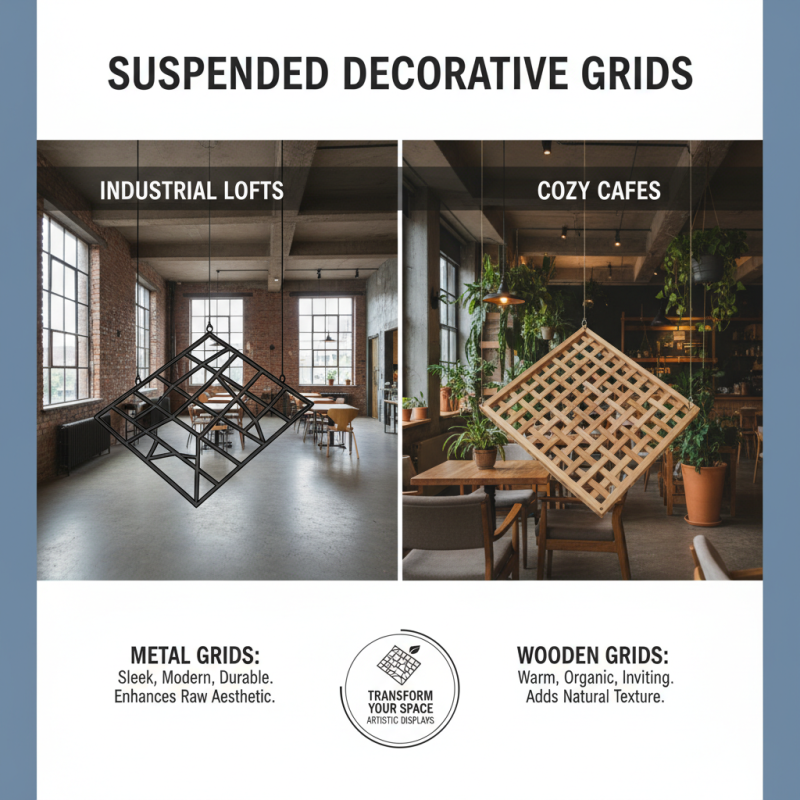
Suspended decorative grids can transform spaces into artistic displays. Various types cater to specific design needs, enhancing aesthetics across different environments. For instance, metal grids suit industrial-style lofts while wooden options lend warmth to cozy cafes.
In commercial settings, suspended grids improve lighting distribution. A report by the Interior Design Institute shows that 75% of businesses experience increased customer engagement when using stylish design elements. A well-structured grid creates visual balance, drawing attention where needed.
Tips: Consider your space's purpose when choosing a grid. A minimalistic design may suit a modern office, while vibrant grids can elevate a child-friendly area. Reflect on your style; not all grids work for every space. Embrace experimentation to find the right fit, even if it means some trial and error.
Steps to Incorporate Suspended Decorative Grids into Your Decor
Suspended decorative grids offer a unique way to enhance your interior space. To begin incorporating them, visualize how they can interact with existing elements. For instance, think about your wall colors and furniture. A grid can create a stunning contrast or complement your decor. Use light materials to avoid overwhelming small rooms.
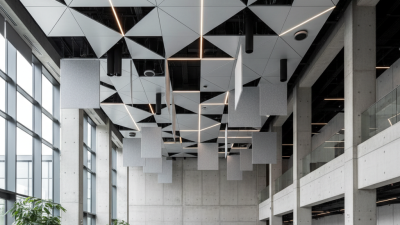
Next, consider the arrangement. You can hang grids at different heights for a dynamic look. Play with shapes and patterns.
Try a square grid over a round table. Or, use triangular grids to make corners feel more inviting. The key is balance. Too many grids can create chaos, while too few may look sparse.
Don't forget lighting. Grids can change the perception of your room when illuminated correctly. Hang pendant lights from the grid to draw attention. Alternatively, use the grid to highlight artworks or photographs.
Experiment with the height of your lights. They can become stunning focal points. Reflect on your choices. They should enhance the space, not overcrowd it.
Tips for Maximizing Aesthetic Appeal with Suspended Grids
Suspended decorative grids offer a unique way to elevate interior design. These grids can enhance visual depth in any room. According to a recent study by the American Society of Interior Designers, 70% of designers believe that utilizing such features can improve the overall aesthetic impact of a space.
To maximize the appeal, consider the following tips. Choose colors that complement existing decor. Lighter shades can create an airy feel. Darker hues add drama. Mix materials for visual interest. Incorporating wood and metal can create a striking contrast.
It’s essential to consider the layout. Too many grids can overwhelm a space, while too few can appear sparse. Balance is crucial. Experimenting with different designs may reveal unexpected gems. Some layouts might feel cluttered; others can evoke serenity. Pay attention to lighting as well. Proper illumination can transform grids and highlight patterns, enhancing any design.
How to Use Suspended Decorative Grids for Stylish Interior Design
Maintenance and Care for Suspended Decorative Grid Installations
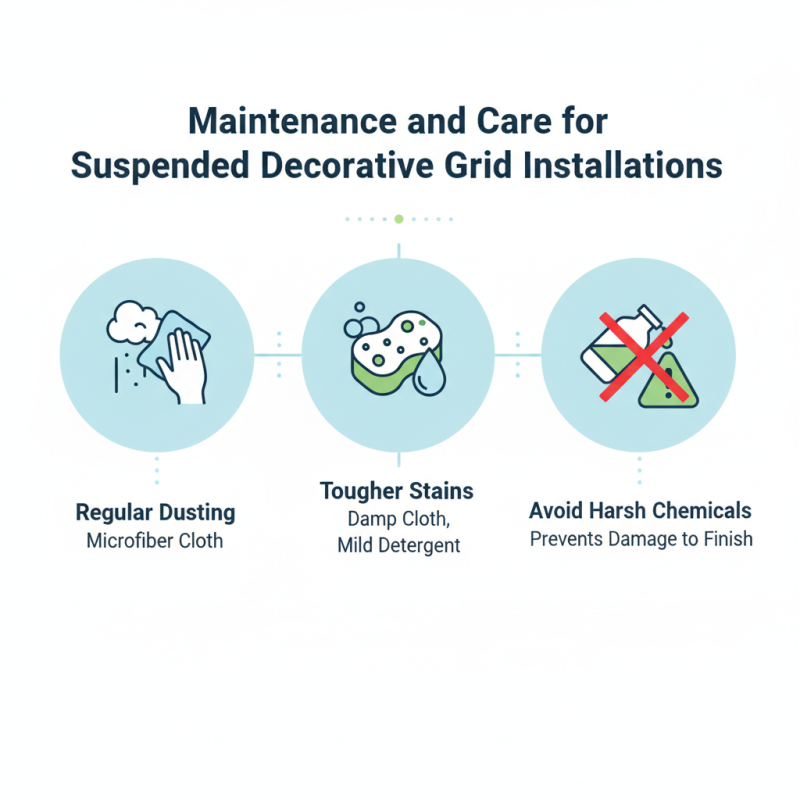
Maintaining suspended decorative grids involves careful attention. Regular dusting is crucial. A simple microfiber cloth can easily remove dust and debris. For tougher stains, a damp cloth with mild detergent works well. Avoid harsh chemicals, as they can damage the finish.
Every few months, inspect the grids. Look for loose fittings or signs of wear. It’s better to catch issues early. Tightening screws can prevent larger problems. If you notice discoloration or corrosion, it might be time to consider touch-up paint.
In the case of water stains or moisture damage, immediate action is needed. Wipe spills right away to avoid permanent marks. Over time, grids can lose their luster. Regular maintenance ensures they stay looking fresh and appealing. Remember, even the best designs can suffer from neglect.