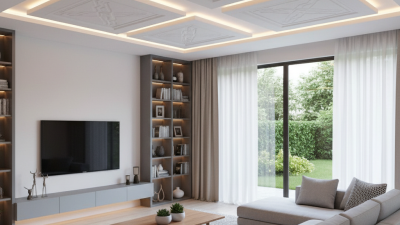
2026 Top Ceiling Tiles Which Type Should Buyers Choose?
Choosing the right Ceiling Tiles in 2026 is no longer a simple matter of color or price. Buyers must consider room function, acoustic performance, moisture exposure, lighting, maintenance, and installation conditions. A quiet office needs a different ceiling system from a humid bathroom, busy retail store, or open-plan classroom.
In real projects, mineral fiber tiles remain popular for balanced sound absorption, cost, and easy replacement. Metal tiles offer a cleaner appearance, strong durability, and better resistance in demanding commercial spaces. PVC and other moisture-resistant options can suit areas where steam or occasional splashes are expected. Wood-look tiles bring warmth, although their performance depends heavily on the backing material and room environment. Even attractive products can disappoint when their acoustic ratings or maintenance needs are misunderstood.
Check the details.
This guide compares leading ceiling tile types using practical buying criteria, including surface finish, edge design, grid compatibility, fire-performance documentation, and indoor air quality information. Product data should come from established manufacturers or qualified distributors, not attractive marketplace images alone. Installation experience also matters. A well-rated tile may perform poorly when the suspension system is uneven or cuts are careless. I have seen small alignment errors create visible shadow lines across an entire corridor.
No single material wins every project. That is the honest answer. Budget estimates can also change after delivery, labor review, or site testing. Buyers should request samples, confirm dimensions, review technical documents, and inspect replacement availability before ordering. The best Ceiling Tiles choice is the one that matches the building’s actual conditions, long-term use, and realistic maintenance capacity.
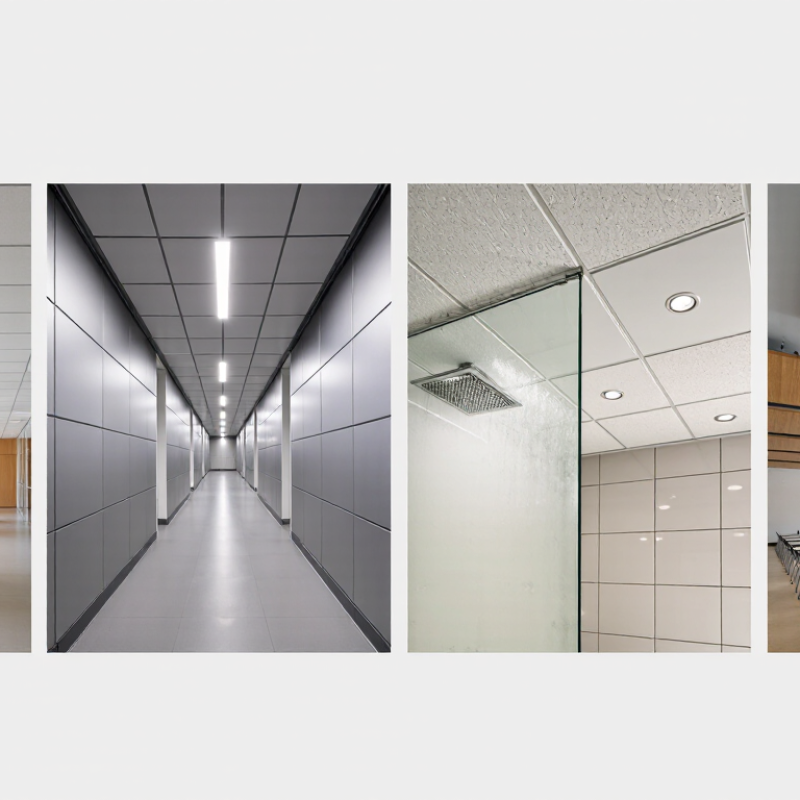
What Are Ceiling Tiles and How Do They Differ?
2026 Top Ceiling Tiles: Which Type Should Buyers Choose?
Ceiling tiles are modular panels fitted into a suspended grid or attached directly to a ceiling. They can hide wiring, improve room acoustics, and create a cleaner visual surface. Unlike a full plaster ceiling, individual tiles can be removed when technicians need access above the room.
Their differences mainly come from material, performance, and installation method. Mineral fiber tiles often reduce echoes in offices, classrooms, and meeting rooms. Metal tiles provide stronger impact resistance and suit areas needing a crisp, durable finish. PVC tiles resist moisture and are easier to wipe clean, which helps in utility rooms or covered outdoor spaces. Wood-based tiles add warmth, but they may require careful humidity control.
Performance varies widely.
A practical inspection should check tile thickness, edge detail, grid compatibility, and sag resistance. A tile that looks impressive in a showroom may appear uneven under strong side lighting. I have also seen buyers choose highly absorbent panels for a room that needed sound reflection, not silence. That choice was not entirely wrong, but the room felt dull and disconnected.
Moisture exposure deserves attention. Kitchens, bathrooms, and coastal buildings need suitable resistance and stable installation. Buyers should also verify fire performance, cleaning requirements, acoustic ratings, and local building rules through reliable technical documents. Price matters, but replacement access and long-term maintenance often matter more.
How Do Performance, Design, and Installation Options Compare?
Buyers should compare ceiling tiles by room conditions, not appearance alone.
Performance starts with sound, moisture, fire resistance, and service access. Mineral fiber tiles often soften office noise and hide minor surface irregularities. Metal tiles offer crisp lines, strong impact resistance, and easy wipe-clean maintenance. PVC options tolerate humid rooms, but their visual depth can feel less refined. Check tested ratings and installation conditions before trusting a product sheet. Numbers matter.
Design choices affect how a room feels under changing daylight.
Large white tiles can brighten corridors, while darker patterns create a lower, quieter mood. Linear layouts suit modern interiors, but alignment errors become obvious across long sightlines. Perforated surfaces can combine decoration with sound control, although backing material changes the result. Samples should be viewed beside lighting, wall paint, and existing fixtures. Images can mislead.
Installation is where many buying decisions become expensive.
Suspended grids allow fast access to wiring, ducts, and detectors without damaging the ceiling. Direct-fixed tiles save depth, yet repairs may require cutting and replacement. Use moisture-resistant systems in bathrooms and kitchens, with suitable edge details around penetrations. Installers should verify grid spacing, tile tolerances, ventilation, and local fire requirements. An experienced installer can prevent uneven joints, but inspection still matters. I would not choose the cheapest tile automatically. Early savings can become maintenance work.
Which Ceiling Tiles Suit Different Rooms and Building Needs?
2026 Top Ceiling Tiles: Which Type Should Buyers Choose?
The right ceiling tile depends on the room, not only the design. In offices and classrooms, mineral fiber tiles can reduce echoes and improve speech clarity. They also provide practical access to wiring above the ceiling. For bedrooms and living rooms, gypsum tiles create a smooth, refined surface. However, they need careful handling because edges can chip during installation.
Bathrooms, kitchens, and laundry areas require moisture-resistant materials. PVC, treated fiberglass, or coated metal tiles can perform better where steam and splashes are common. Metal tiles suit corridors, retail spaces, and transport areas because they resist impact and allow easy cleaning. Yet, metal may amplify sound unless paired with an acoustic backing. In healthcare or food preparation rooms, buyers should check hygiene ratings, cleanability, and joint details. Fire performance must come from tested assemblies, not assumptions based on material names.
Tips: Measure humidity, noise, cleaning needs, and ceiling access before choosing. Ask for test data and installation guidance. Do not select a tile from a showroom sample alone. A bright sample may look attractive, but glare can become tiring under strong lighting. Some buyers also overlook future repairs. Removable panels often save time when pipes, cables, or ventilation systems need attention. The most expensive option is not always the most suitable; performance should match the room’s actual demands.
What Should Buyers Check Before Choosing Ceiling Tiles?
When buyers compare 2026 ceiling tiles, the safest choice begins with the room, not the catalog. Measure the ceiling grid, tile thickness, and access requirements before checking colors. A kitchen, office, classroom, and basement face different moisture, noise, and maintenance demands. Ask for documented fire performance, acoustic ratings, moisture resistance, and material composition. These records are more useful than polished product photographs. In my experience, a tile that looks excellent under showroom lights may reveal uneven edges under cool LED lighting.
Check the installation conditions carefully. Confirm that each tile fits the existing suspension system without forced cutting or visible gaps. For humid areas, examine the core and surface for warping resistance. In busy offices, prioritize cleanability and sound absorption over decorative texture. Touch physical samples, because printed colors and online images can mislead buyers. Also inspect the reverse side; weak edges may break during routine access. I sometimes overlook future repairs when judging appearance, and that mistake becomes expensive later.
Tips: Request samples, technical sheets, and installation guidance. Compare warranty limits, cleaning methods, and replacement availability. Keep several spare tiles after installation. Small details matter. A ceiling should remain practical after the first inspection, not only attractive on delivery day.
2026 Top Ceiling Tiles: Which Type Should Buyers Choose?
Typical sound absorption performance by ceiling tile type
The chart compares representative midpoint Noise Reduction Coefficient (NRC) values. NRC is a standardized sound-absorption rating measured under ASTM C423; actual performance varies by thickness, surface finish, perforation, plenum installation, and product design. Buyers should also check fire performance, moisture resistance, light reflectance, cleanability, dimensions, installation requirements, and lifecycle cost before choosing ceiling tiles.