Top Benefits of PVC Wall Cladding for Modern Interior Design?
In the ever-evolving world of interior design, PVC Wall Cladding has emerged as a game-changer. John Smith, a leading expert in interior materials, states, “PVC Wall Cladding offers unmatched versatility and durability.” This innovative solution combines aesthetic appeal with functional benefits, making it ideal for modern spaces.
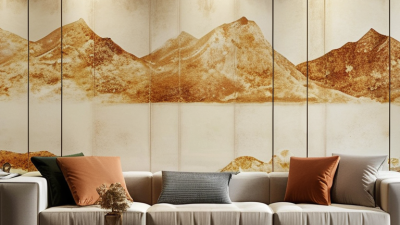
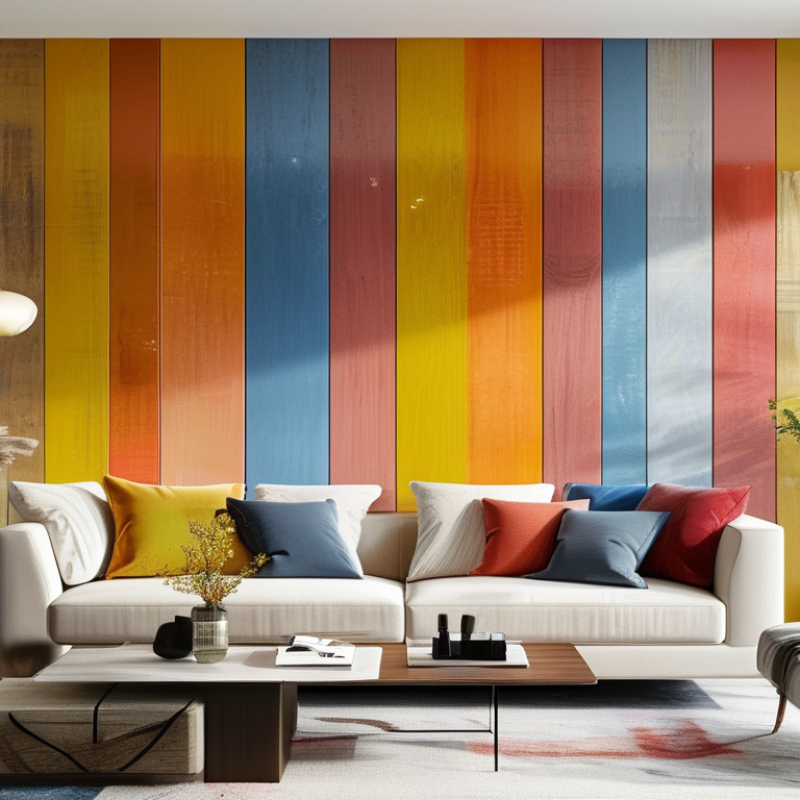
Choosing PVC Wall Cladding can transform dull walls into stunning focal points. Its wide array of colors and textures adds character to any room. Moreover, the ease of installation saves both time and labor costs, which is a critical consideration for designers on tight schedules.
Despite its advantages, some may overlook potential downsides. Not all PVC products are created equal. Quality matters, and lower-grade options can lead to issues like fading or warping over time. Thoughtful selection based on expert advice can help maximize the benefits of PVC Wall Cladding. Recognizing both its strengths and weaknesses will lead to informed decisions in creating beautiful and lasting interiors.
Benefits of PVC Wall Cladding in Modern Interior Design
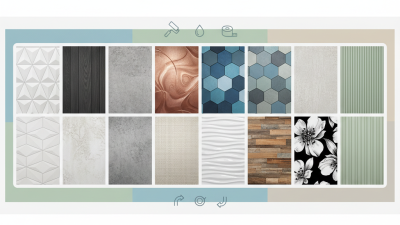
PVC wall cladding offers a range of benefits for modern interior design. Its lightweight nature makes installation quick and efficient. Homeowners can achieve stylish aesthetics without heavy construction work. The variety of colors and textures available allows for endless design possibilities. You can easily match your interior theme, enhancing the overall look of your space.
Durability is another significant advantage. PVC is resistant to moisture, making it suitable for bathrooms and kitchens. However, over time, it may require cleaning to prevent staining. Regular maintenance ensures that these surfaces remain visually appealing.
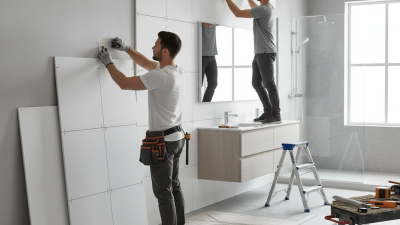
Additionally, while PVC is easy to install, aligning the panels perfectly can be challenging. Mistakes in measurement can lead to an unsatisfactory finish.
Cost-effectiveness is vital too. Compared to traditional materials, PVC cladding is budget-friendly. It reduces long-term repair costs because of its durability. Yet, it's essential to consider the environmental impact of plastic products. You might need to weigh the immediate benefits against sustainability concerns. Balancing aesthetics and practicality can be an ongoing challenge in interior design.
Durability and Maintenance: Long-lasting Solutions for Homes
PVC wall cladding has emerged as a preferred choice for modern interior design, particularly due to its durability. According to a recent industry report, PVC can outlast traditional materials by up to 2.5 times. This longevity is crucial for homeowners seeking low-maintenance solutions. In high-traffic areas, PVC withstands wear and tear better than many conventional options, making it ideal for residential spaces.
Maintenance is another significant aspect to consider. PVC wall cladding requires minimal upkeep. A simple wipe with a damp cloth suffices for cleaning. Unlike wood or paint, which may need frequent touch-ups or refinishing, PVC maintains its appearance for years. Data shows that homeowners who choose PVC cladding save an average of 30% on maintenance costs over a decade compared to traditional materials.
Despite its many advantages, there are points of consideration. Some variations of PVC may not be as environmentally friendly as other materials. The production of PVC can involve harmful chemicals if not managed properly. Therefore, it's essential to choose wisely and ensure that sustainability is a priority in your selection process. Balancing durability with environmental impact can be challenging but essential for a truly modern home.
Cost-Effectiveness: Budget-Friendly Options for Renovations
When considering renovations, cost-effectiveness is a key factor. PVC wall cladding stands out as an affordable choice for modern interior design. According to a recent industry analysis, the average cost of PVC cladding can be up to 40% lower than traditional materials like wood or stone. This makes it an attractive option for budget-conscious homeowners and designers alike.
Moreover, PVC cladding has lower maintenance costs over time. Research indicates that properties with PVC wall coverings often require less frequent painting and repairs. Estimates show that maintenance-related expenses can be reduced by approximately 30%. This not only preserves the aesthetic value of spaces but also allows more budget flexibility for other renovation aspects.
Additionally, the installation process for PVC cladding is quicker and typically less labor-intensive. Data from construction reports highlight that installation timelines can be reduced by 20% or more. While the initial investment is crucial, these factors emphasize long-term savings. Homeowners must weigh the choices carefully, ensuring they balance initial costs with future expenses.
Aesthetic Versatility: Design Choices for Every Interior Style
PVC wall cladding offers remarkable aesthetic versatility, making it a popular choice for modern interiors. This material comes in various textures, colors, and patterns, allowing it to complement diverse design themes. According to a report by Technavio, the global PVC wall panel market is expected to grow at a rate of 8% annually. This growth reflects increasing demand for stylish yet low-maintenance interiors.
When choosing PVC cladding, consider your design style. For a sleek, contemporary space, opt for glossy finishes with bold colors. Rustic designs benefit from wood-like textures, providing warmth while maintaining durability. Additionally, some installations can mimic natural stone, enhancing luxury without the high cost.
Tip: Mix and match different textures to create depth. For instance, pair smooth panels with those that have a matte finish. This approach can create visual intrigue. It’s crucial to evaluate the lighting in your space, as this can dramatically change how colors and textures appear. Always remember, even in the best designs, there can be a clash of styles. Be prepared to rethink your choices if something feels off. Balance is key in achieving a cohesive look, so testing samples in your space before final decisions can be very beneficial.
Sustainability: Eco-Friendly Features of PVC Wall Cladding
PVC wall cladding is gaining traction in modern interior design, particularly for its eco-friendly features. A recent industry report highlighted that PVC can be recycled up to 100%, which significantly reduces environmental impact. This is a notable advantage in a time when sustainability is increasingly prioritized.
Beyond recyclability, PVC wall cladding can also save energy. According to research, it can improve insulation properties, thus reducing heating and cooling costs by up to 20%. This not only contributes to lower energy bills but also promotes greener living spaces. However, it's important to choose products made from high-quality, non-toxic PVC to maximize their eco-friendly benefits.
While PVC has several advantages, not all cladding options are alike. Some may emit harmful chemicals during production or disposal. Therefore, selecting certified products becomes critical to ensure safety and sustainability. Balancing aesthetic desires with environmental concerns poses challenges, but with informed choices, it's possible to create beautiful and eco-friendly interiors.