Leave Your Message

China Top 10 Eco Friendly WPC Panel Manufacturers?

China’s WPC panel industry is expanding as builders seek durable alternatives to conventional timber and some petroleum-heavy finishes. Grand View Research reports that the global wood-plastic composites market is growing steadily, supported by construction, furniture, and outdoor applications. However, market figures differ between research firms. Definitions, regions, and product categories are not always consistent.

This guide examines China’s Top 10 Eco-Friendly WPC Panel Manufacturers through practical criteria. These include recycled content, material traceability, formaldehyde control, weather resistance, production capacity, and export experience. A panel may contain wood flour and recycled polymers, yet its environmental value depends on sourcing, additives, energy use, and end-of-life options. “Eco-friendly” needs evidence.

Relevant benchmarks include EN 15534 for wood-plastic composite profiles and ASTM guidance for evaluating WPC performance. The 2024 Global Status Report for Buildings and Construction also highlights the construction sector’s substantial energy and carbon footprint. Better material choices can help, but no panel solves the entire problem.

Factory details matter. Look for clean extrusion lines, consistent surface texture, documented batch testing, and realistic warranty terms. A showroom sample can look excellent under bright lights. Outdoor performance is harder. Moisture, ultraviolet exposure, temperature changes, and installation quality reveal weaknesses.

The manufacturers discussed here are not ranked by advertising claims alone. Their capabilities should be compared with project requirements, certification records, and independent test results. Some data may remain incomplete, especially for recycled content and lifecycle impacts. That limitation deserves attention. Careful buyers should verify current specifications before signing contracts.
China Top 10 Eco Friendly WPC Panel Manufacturers?

What Are Eco-Friendly WPC Panels?

Eco-friendly WPC panels combine wood fibers, recycled polymers, and additives through heat and pressure. They resemble natural timber but resist moisture, insects, and surface cracking. The greener choice depends on the material mix, not the word “eco.”

Grand View Research estimated the global wood-plastic composite market at about USD 7.2 billion in 2023. Its report also forecasts strong growth through 2030. This demand reflects interest in durable, low-maintenance building materials. However, WPC panels are not automatically sustainable. Virgin plastic, unclear fiber sources, and difficult recycling can reduce their environmental value. In real projects, I would check recycled content, formaldehyde emissions, product lifespan, and manufacturing waste. An environmental product declaration, based on ISO 14025 and EN 15804, offers stronger evidence than marketing claims. Certification helps, but it does not replace careful product review.

Tips: Ask for recycled-content percentages and test reports. Check whether the wood fiber comes from controlled sources. Compare the panel’s expected service life with its transport distance. Also inspect the surface in daylight; some panels show uneven color after installation. A lifecycle assessment may reveal an uncomfortable result: a durable panel can still carry a heavy footprint when shipped globally. That detail deserves attention.


How Chinese WPC Panel Manufacturers Are Evaluated

How Chinese WPC Panel Manufacturers Are Evaluated

China’s leading eco-friendly WPC panel manufacturers should be judged by evidence, not catalogue claims. The OECD’s Global Plastics Outlook reports that only 9% of global plastic waste was recycled in 2019. This makes recycled polymer sourcing important. Evaluators should request supplier records, recycled-content declarations, and batch traceability. A factory visit can reveal more than polished product photos. Look for covered storage, calibrated feeders, clean extrusion lines, and separated production waste.

Material performance matters equally. Testing should follow recognized methods such as ASTM D7031 and EN 15534. These standards assess water absorption, bending strength, dimensional stability, and weathering behavior. Independent laboratories should verify results. For indoor panels, buyers should also review VOC and formaldehyde emissions. ISO 16000 testing can support indoor-air-quality claims. An Environmental Product Declaration, prepared under ISO 14025, adds useful life-cycle transparency. However, an EPD is not automatically proof of low environmental impact.

Energy and waste data deserve closer attention. Manufacturers should disclose electricity use per panel, process-water management, and scrap recovery rates. ISO 14001 certification can indicate a structured environmental system, but certification alone cannot guarantee daily performance. Some factories report impressive recycling percentages without defining the calculation boundary. That deserves questioning. Practical audits should compare production records with test samples and shipment documents. Price is relevant, but inconsistent color, swelling after rain, or weak surface bonding can create higher replacement costs. The evaluation process is not perfect. Good buyers keep checking.

China’s Top 10 Eco-Friendly WPC Panel Manufacturers

China’s Top 10 Eco-Friendly WPC Panel Manufacturers are best assessed through evidence, not attractive catalog photos. A reliable supplier should disclose wood-fiber sources, recycled polymer content, additives, and production controls. Factory records matter. So do independent test reports.

Strong manufacturers usually provide panels with stable density, low formaldehyde emissions, and consistent color. Their production lines may reuse process water and recover cutting waste. Ask for recent samples, not only polished showroom pieces. Check whether the panel resists moisture, insects, fading, and surface cracking after repeated exposure.

Details reveal professional practice. A sample edge should look compact, without large voids or loose fibers. Installation guidance should state expansion gaps, fastener types, and temperature limits. Some suppliers offer recycled content claims without explaining the calculation method. That deserves caution. Certification can help, but it does not replace batch testing or clear technical data.

A fair review should also examine delivery records, quality complaints, and after-sales response. Ten manufacturers may appear similar, yet their tolerances can differ noticeably. One panel may feel smooth indoors but warp beside a humid exterior wall. I would request three production batches before approving a large order. Even this method is imperfect. Climate, installation skill, and maintenance still influence long-term performance.

China’s Top 10 Eco-Friendly WPC Panel Manufacturers

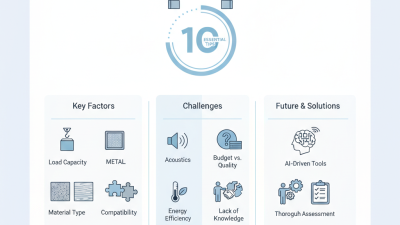
This chart presents a neutral evaluation framework for eco-friendly WPC panel suppliers in China. The weighting reflects practical procurement criteria, including recycled content, responsible fiber sourcing, emissions control, durability, and environmental management. It does not publish company names or claim a specific manufacturer ranking.

Evaluation dimensions are based on commonly used sustainability and product-compliance considerations, including ISO 14001 environmental management, EN 717-1 formaldehyde emissions testing, responsible wood-fiber sourcing, recycled-content verification, and product service life.

Product Features, Materials, and Environmental Certifications

WPC panels combine wood fiber, recycled polymers, mineral fillers, and performance additives. The exact recipe affects strength, color stability, weight, and moisture resistance. Dense panels usually feel solid under hand pressure. However, density alone does not prove quality.

For exterior walls, buyers should check water absorption, thermal expansion, UV resistance, and surface coating durability. Interior panels may prioritize low odor, easy cleaning, and stable dimensions. Some products imitate oak grain or stone texture, but appearance can hide weak edges. Ask for test data on bending strength, impact resistance, and fire performance. Installation experience also matters because incorrect spacing can cause warping.

Environmental claims require careful review. ISO 14001 supports environmental management systems, but it does not certify every panel as eco-friendly. FSC or PEFC evidence may verify responsibly sourced wood fiber when the certificate covers the actual supply chain. Recycled-content claims should show percentages and verification methods. Indoor-air certifications can help assess formaldehyde and volatile organic compound emissions. Still, one certificate rarely tells the whole story. Manufacturing energy, transport distance, recyclability, and service life deserve attention too. Some manufacturers publish incomplete data, and that weakness should not be ignored. A reliable supplier provides current certificates, technical sheets, batch information, and installation guidance before purchase.

China Top 10 Eco Friendly WPC Panel Manufacturers? - Product Features, Materials, and Environmental Certifications
Anonymous Manufacturer Profile Typical Panel Applications Primary Polymer Matrix Natural Fiber / Filler Typical Recycled Content Key Product Features Environmental Performance Relevant Certifications or Standards to Verify
Manufacturer Profile 01 Interior wall cladding, feature walls, ceilings PVC or polyethylene-based thermoplastic Wood flour, bamboo fiber, or plant-based cellulose Approximately 30%–60%, depending on formulation Lightweight Moisture resistant Low maintenance Textured surfaces Can reduce demand for virgin polymer and solid timber when recycled resin and responsibly sourced fiber are used ISO 14001; ISO 9001; FSC chain of custody for certified wood fiber; indoor-air-emission testing where applicable
Manufacturer Profile 02 Exterior façades, balcony walls, ventilated cladding systems High-density polyethylene or polypropylene Wood fiber, rice husk, or bamboo powder Approximately 40%–70% UV-resistant coating Water resistant Color stability Low splintering Long service life may lower replacement frequency; recycled-content claims should be supported by supplier records or chain-of-custody documentation ISO 14001; ISO 14021 for self-declared environmental claims; ASTM D7031 guidance for wood-plastic composite products
Manufacturer Profile 03 Bathroom partitions, wet-area wall panels, commercial interiors PVC, polyethylene, or polypropylene Wood flour, bamboo fiber, or mineral-enhanced plant fiber Approximately 20%–50% Low water absorption Easy cleaning Mold-resistant surface options Concealed fixing Potentially reduces maintenance water and coating consumption; mold resistance depends on the tested surface system rather than the WPC core alone ISO 22196 or equivalent antibacterial testing when antimicrobial claims are made; ISO 14001; formaldehyde-emission testing for finished interior products
Manufacturer Profile 04 Decorative acoustic walls, office interiors, hospitality projects PVC-free polyolefin, polypropylene, or recycled polyethylene Wood fiber, recycled textile fiber, or cellulose fiber Approximately 30%–80% Acoustic backing compatibility Low-VOC options CNC machinable Decorative finishes Recycled polymer and fiber content can reduce use of virgin resources; VOC results must be based on the complete finished panel and adhesive system ISO 16000 series or equivalent VOC testing; GREENGUARD-type indoor-air certification where available; ISO 14001
Manufacturer Profile 05 Exterior decking-adjacent walls, garden structures, landscape screening HDPE or polypropylene Wood flour, bamboo fiber, or agricultural residues Approximately 50%–80% High moisture resistance Rot-resistant formulation Extruded profiles Low repainting needs Can divert post-consumer plastic and agricultural residues from disposal; end-of-life recyclability depends on additives, coatings, and local recycling infrastructure ISO 14021 for recycled-content claims; ISO 14001; ASTM D7032 performance evaluation where applicable
Manufacturer Profile 06 Retail displays, modular partitions, exhibition and fit-out panels Recycled polypropylene, PVC, or polyethylene Wood flour, bamboo powder, or cellulose filler Approximately 30%–70% Light fabrication Sawing and drilling Replaceable modules Short installation time Modular construction may support repair and replacement of individual panels instead of complete assemblies ISO 14001; ISO 14025 environmental product declaration where available; ISO 14021 recycled-content verification
Manufacturer Profile 07 Kitchen splashbacks, utility rooms, residential wall decoration PVC or polyethylene composite Wood fiber, bamboo fiber, or mineral-filled cellulose Approximately 20%–60% Stain resistance Easy installation Decorative laminates Moisture tolerance Lower maintenance requirements may reduce cleaning chemicals; actual environmental benefit depends on panel lifespan and adhesive selection Indoor-air-quality testing; EN 16516 or equivalent emissions testing where required; ISO 14001; formaldehyde testing for applicable bonded components
Manufacturer Profile 08 Exterior privacy screens, sunshades, pergola infill panels UV-stabilized HDPE or polypropylene Wood fiber, bamboo fiber, or agricultural fiber Approximately 40%–75% UV stabilizers Weather resistance Dimensional stability Custom perforation Durability can extend service life; UV and weathering performance should be confirmed using accelerated or outdoor exposure test data ISO 4892 or equivalent accelerated-weathering testing; ISO 14001; ISO 14021 for environmental claims
Manufacturer Profile 09 Fire-conscious commercial interiors and public-building wall systems Flame-retardant PVC, polypropylene, or polyethylene composite Wood fiber, bamboo fiber, or mineral-modified plant fiber Approximately 20%–50% Fire-rated options Low smoke formulations Impact resistance Stable color finishes Environmental performance must consider flame retardants, additives, recyclability, and indoor emissions—not recycled content alone EN 13501-1 or ASTM E84 fire classification, according to project requirements; ISO 14001; VOC testing for interior applications
Manufacturer Profile 10 Premium architectural wall panels, hotel interiors, branded retail fit-outs Recycled polyethylene, polypropylene, or PVC with decorative surface layers Fine wood fiber, bamboo powder, cellulose, or hybrid mineral fiber Approximately 30%–70% High-end textures Embossed finishes Custom colors Precision cutting Long-lasting finishes and replaceable panel systems can support material efficiency; full life-cycle results require project-specific assessment ISO 14001; ISO 14025 EPD where available; FSC certification for certified wood fiber; indoor-air-emission testing for finished assemblies
Note: Manufacturer identities are intentionally omitted. Recycled-content percentages, product performance, and certifications vary by factory and product series and should be confirmed through current technical datasheets, test reports, certificates, and chain-of-custody documentation.

How to Choose the Right Chinese WPC Panel Manufacturer

How to Choose the Right Chinese WPC Panel Manufacturer

China’s WPC panel sector offers broad material choices, but selection needs evidence. Grand View Research valued the global wood plastic composites market at about USD 7.47 billion in 2023. It also projects strong growth through 2030. This expansion attracts capable factories and inexperienced traders. The difference is rarely visible in a catalog.

Ask for a complete production trail. It should include resin type, wood-fiber percentage, additives, and extrusion temperature records. Request recent test reports for water absorption, flexural strength, fire performance, and formaldehyde emissions. EN 15534 and ASTM standards can help compare technical results. ISO 9001 supports process control, while ISO 14001 indicates structured environmental management. Certificates alone are not enough. Check the issuing laboratory and test date.

Visit the factory, physically or through a live video inspection. Look for clean storage, sealed raw materials, calibrated testing equipment, and labeled batches. Compare a sample panel after heat, moisture, and scratch testing. Small color differences may reveal weak process control. Ask how recycled content is verified. The U.S. Environmental Protection Agency reports that recycled-content claims should be supported by reliable material accounting, not vague marketing. I would also request three customer references from similar climates. One warning remains: attractive samples can hide inconsistent production. A low quotation may reflect thinner panels, cheaper fillers, or missing quality checks. +#+#+#+#+#+