Choosing the right ceiling system starts with more than comparing catalog prices. This guide, “China Top 10 Suspension Grid Manufacturers Suppliers,” examines companies serving commercial, institutional, and residential projects. The focus is Suspension Grid quality, manufacturing capability, and practical supply reliability. A strong supplier should provide stable profiles, accurate dimensions, clean connections, and dependable surface finishes. Small defects can become visible across an entire ceiling.
Our evaluation considers factory experience, product range, quality-control procedures, export records, and technical support. We look for evidence such as material specifications, production photos, test documents, and responsive engineering communication. Factory visits or independent inspections can reveal details that websites often miss. Check the storage area, cutting equipment, packaging method, and batch labeling. These details matter during installation.
The listed manufacturers may differ in scale, specialization, and regional coverage. Some focus on standard exposed grids, while others support customized colors, seismic designs, or integrated ceiling solutions. Buyers should verify applicable standards, project drawings, fire requirements, corrosion conditions, and delivery terms before placing an order. Do not rely on a ranking alone. It is only a starting point.
Experience also teaches caution. A polished sample may not represent every production batch. Ask for recent references. Confirm replacement policies and after-sales response times. One overlooked issue is compatibility between the grid and ceiling panels. This guide aims to make that comparison clearer, while recognizing that supplier performance can change over time. Careful verification remains essential.
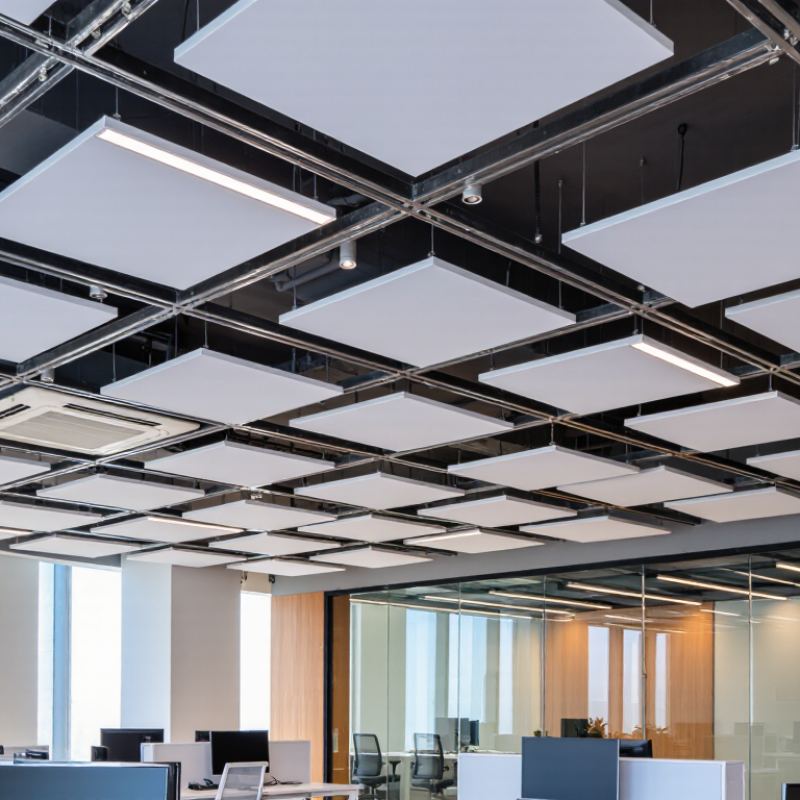
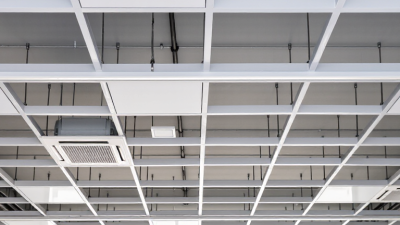
China’s top ten suspension grid manufacturers and suppliers should be judged by verified performance, not catalog size. The core specification is a 24 mm exposed grid with 600×600 mm modules. This format supports common mineral-fiber and metal ceiling panels. Mordor Intelligence’s 2024 ceiling tiles report estimates the global market will grow from about USD 10 billion in 2024 to nearly USD 13 billion by 2029. That growth increases pressure on Chinese suppliers to prove consistency, not merely low pricing.
A reliable supplier should provide factory test records, coating data, and dimensional inspection reports. Check tee straightness, splice strength, and module tolerance on sample assemblies. ASTM C635 addresses suspension-system performance, while ASTM C636 covers installation practice. EN 13964 adds requirements for suspended ceilings, including load capacity and durability. Chinese projects may also require GB/T 11981 for metal ceiling systems. Standards are useful, but paperwork alone is weak evidence.
In practical audits, inspect a full 600×600 mm mock-up under real lighting. Small alignment errors become obvious around recessed fixtures. Ask whether the 24 mm face remains stable after repeated handling. One detail is often missed: humidity exposure can change panel fit and visible shadow lines. Supplier comparisons also need steel thickness, galvanization, packaging protection, and replacement lead time. I would not rank a manufacturer from brochures alone. Independent testing is slower, yet it reveals the uncomfortable differences.
Ranking China’s top ten suspension grid manufacturers requires more than comparing catalog prices. The key filter is steel thickness, especially the 0.4–0.6 mm range. Thinner steel may reduce cost, but it can twist during installation. I would inspect samples, measure the coating, and check whether main runners remain straight under handling.
Load ratings need practical evidence. Suppliers should provide tested capacity, deflection data, connection strength, and recommended spacing. A 600 x 600 mm ceiling module can expose weak clips quickly. Factory experience matters here. I have found that clear test conditions are often more useful than impressive figures. Still, testing may differ between laboratories, so rankings should remain cautious.
Certifications strengthen reliability, but certificates alone do not prove consistent production. Look for ISO 9001 systems, relevant EN or ASTM test reports, fire-performance documents, and traceable inspection records. Export reach should include completed shipments, packaging quality, multilingual technical files, and after-sales response. A supplier serving several regions may understand climate, customs, and installation differences better. However, export volume can hide uneven quality between production batches. The strongest ranking combines verified steel thickness, realistic load ratings, applicable certifications, and dependable international delivery records.
China’s top ten suspension grid manufacturers show different strengths in production, engineering, and export service. Some focus on exposed ceiling systems for offices and retail spaces. Others produce concealed grids for hotels, schools, and public buildings. Several suppliers offer galvanized steel profiles, aluminum components, seismic accessories, and corrosion-resistant finishes. Their product profiles often include main runners, cross tees, wall angles, clips, and hanger wires.
Experienced buyers should inspect more than catalog images. A reliable factory can provide material certificates, coating data, dimensional tolerances, and loading information. Ask for samples with visible locking details. Check whether the tee connection closes cleanly without excessive force. Production audits can also reveal welding quality, packaging methods, and stock control. Some manufacturers maintain automated roll-forming lines, while others depend heavily on manual assembly. That difference may affect consistency.
Supplier profiles should also explain export experience, technical support, and project communication. A professional team can review reflected ceiling plans and recommend suitable suspension spacing. It should also clarify lead times, replacement policies, and installation guidance. Factory visits are useful, but they are not perfect proof of long-term performance. I have found that small details, such as corner protection during shipping, often matter later. Claims about fire resistance or load capacity need independent documentation. Price comparisons alone can mislead procurement teams. The strongest evaluation combines factory evidence, tested specifications, field feedback, and a clear record of honest communication.
Common ceiling suspension grid module dimensions used across supplier product catalogs
The chart presents widely used ceiling grid module sizes rather than company-level sales or ranking data. The 600 × 600 mm and 600 × 1200 mm formats are common international configurations, while 625 mm modular formats are frequently specified for projects using metric-compatible ceiling panels.
For a China top-10 suspension grid shortlist, compliance evidence matters more than catalog claims. ASTM C635/C635M evaluates load-bearing performance, dimensional tolerances, and metal suspension components. It should be reviewed with ASTM C636 installation requirements. EN 13964 covers suspended ceilings, including mechanical performance, durability, and reaction to fire. These standards are not interchangeable. A supplier’s test report should show the exact profile, coating, thickness, and assembly tested. Small changes can alter results.
Fire performance belongs to the complete ceiling system. ASTM E119 or EN 13501-2 classification may apply, but only when panels, grids, hangers, and supporting structures match the tested design. For seismic zones, verify lateral restraint, perimeter clearance, compression struts, and hanger-wire details under ASTM E580 and applicable ASCE 7 provisions. Field failures often begin with missing bracing, not weak steel. They are easy to overlook.
Corrosion evidence deserves equal attention. ISO 9227 salt-spray hours can compare coatings, but they do not predict every building environment. Coastal humidity, condensation, and chemical exposure require a service-condition assessment. The 2024 Global Status Report for Buildings and Construction states that buildings consume about 32% of global energy and produce roughly 34% of global carbon emissions. Lightweight, durable grids can support lower replacement impacts. However, recycled-content claims need verified declarations. A polished certificate is not enough. A supplier’s traceability, inspection records, and corrective-action history reveal more. Some comparisons remain imperfect. That should be stated clearly.
China Top 10 Suspension Grid Manufacturers Suppliers: Buyer’s Guide
When comparing China’s top ten suspension grid manufacturers and suppliers, look beyond catalog prices. Ask for a clear MOQ, production lead time, and material specification. A reliable supplier should explain steel thickness, coating type, load performance, and packaging details. Request recent inspection records and project references. Factory visits or live video audits can reveal storage quality and production discipline. Some suppliers promise seven-day dispatch, but customized colors often extend lead time considerably.
Tips: Confirm whether the quoted MOQ applies per size, finish, or full order. Check warranty terms in writing, including replacement procedures and exclusions. Request compliance documents relevant to your market, such as fire, corrosion, and indoor-air requirements. Verify certificates with the issuing body. A copied PDF proves little.
Total cost includes tooling, samples, inland transport, export packing, freight, duties, installation losses, and replacement stock. Compare landed cost, not only the factory quotation. Include currency changes and possible port delays. A low price may hide thin panels, weak clips, or excessive waste during cutting. Ask suppliers for a complete bill of materials and a loading plan. My own purchasing mistake was accepting an attractive unit price before checking pallet dimensions. The freight difference erased the saving. Leave room for testing; practical results sometimes challenge the specification sheet.
| Rank | Supplier Profile | Typical Product Scope | Indicative MOQ | Production Lead Time | Typical Warranty | Common Compliance Documents | Indicative FOB Cost* | Estimated Landed Cost* | Best Fit |
|---|---|---|---|---|---|---|---|---|---|
| 1 | Large export-oriented manufacturer | Main runners, cross tees, wall angles, exposed and semi-concealed systems | 1–3 metric tons or 1 mixed 20-foot container | 25–40 calendar days | 5–10 years against manufacturing defects, subject to installation conditions | ISO 9001; mill certificates; coating reports; ASTM C635/C636 or EN 13964 test evidence, when specified | US$1.60–2.80 per m² of ceiling area | US$2.40–4.10 per m² | Large commercial projects requiring stable capacity and competitive container pricing |
| 2 | High-volume roll-forming specialist | Heavy-duty exposed grid, reinforced main runners, seismic-compatible components | 2–5 metric tons | 30–45 calendar days | 5–10 years | Steel grade and zinc-coating certificates; load test reports; ISO 9001; factory inspection records | US$1.90–3.40 per m² | US$2.80–4.90 per m² | Schools, hospitals, offices, and projects with higher load or seismic requirements |
| 3 | Mid-sized OEM and private-label supplier | Standard 15/16-inch and 24-mm exposed grid, custom packaging and labeling | 500–1,000 sets or 1 metric ton | 20–35 calendar days | 3–5 years | ISO 9001 or equivalent quality records; coating thickness report; dimensional inspection report | US$1.45–2.55 per m² | US$2.25–3.90 per m² | Distributors and contractors needing custom carton quantities or private labeling |
| 4 | Precision ceiling-system manufacturer | Narrow-face, black-grid, concealed-edge, and architectural suspension systems | 300–800 sets | 30–50 calendar days | 5–10 years | EN 13964 or ASTM test data; surface-finish report; dimensional tolerances; batch traceability | US$2.80–5.20 per m² | US$4.00–7.20 per m² | Retail, hospitality, premium offices, and visually sensitive interiors |
| 5 | Galvanized-steel grid specialist | Hot-dip or electro-galvanized main tees, cross tees, and perimeter trims | 1 metric ton | 25–40 calendar days | 5 years | Galvanizing certificate; salt-spray or corrosion data when required; ISO 9001; steel mill certificate | US$1.80–3.20 per m² | US$2.70–4.70 per m² | Humid climates, utility rooms, transport facilities, and long-service-life applications |
| 6 | Fast-response regional exporter | Standard exposed grid kits with common lengths and accessories | 300–600 sets | 15–30 calendar days for stocked profiles; 30–45 days for production orders | 3–5 years | Factory quality inspection; material certificate; basic load and dimensional reports | US$1.70–3.00 per m² | US$2.90–5.00 per m² | Urgent renovation work and buyers prioritizing delivery over customization |
| 7 | Cost-focused standard-grid supplier | Economy exposed grid for mineral-fiber and gypsum ceiling tiles | 500 sets or 1 metric ton | 20–35 calendar days | 3 years | Steel grade certificate; coating report; pre-shipment inspection report; basic quality manual | US$1.25–2.20 per m² | US$2.10–3.60 per m² | Budget-sensitive residential, retail, and low-risk commercial projects |
| 8 | High-corrosion-resistance supplier | Enhanced-coated grid, moisture-resistant trims, and protected accessories | 1–2 metric tons | 30–45 calendar days | 5–10 years | Corrosion-resistance report; coating thickness certificate; ISO 9001; relevant environmental declarations when available | US$2.40–4.50 per m² | US$3.60–6.30 per m² | Swimming pools, coastal buildings, food-processing areas, and high-humidity interiors |
| 9 | Project-customization manufacturer | Non-standard lengths, special colors, integrated lighting supports, and coordinated accessories | 1–3 metric tons per specification | 35–60 calendar days | 5 years | Approved drawings; prototype records; load calculations; coating and material certificates; inspection plan | US$3.00–6.50 per m² | US$4.50–8.80 per m² | Design-led projects where exact dimensions, color, or service integration is critical |
| 10 | Small-batch export and replacement supplier | Replacement tees, accessories, repair quantities, and mixed small orders | 100–300 sets | 20–40 calendar days | 2–5 years | Batch inspection report; material declaration; dimensional report; compliance documents available on request | US$2.20–4.20 per m² | US$4.00–7.50 per m² | Maintenance contractors, distributors, and projects below container quantity |