Why Choose Suspension Grid for Your Next Project?
When considering the best solutions for your next project, the choice of a "Suspension Grid" should not be overlooked. These systems offer a unique blend of versatility and practicality. They enhance your space while ensuring structural integrity.
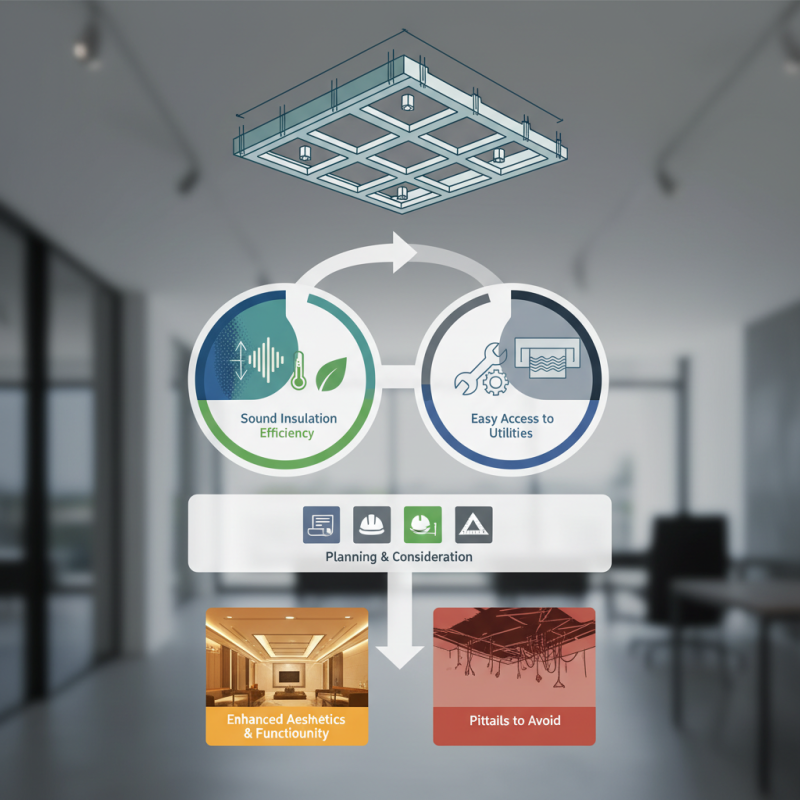
In modern architecture, Suspension Grids are essential for both aesthetic and functional purposes. They support ceilings and lighting while allowing for easy access to utilities. This adaptability is key in commercial and residential settings. Choosing the right materials can lead to significant improvements in sound insulation and energy efficiency.
People often misjudge the impact of a well-designed grid system. Many think it’s just a basic structure. In reality, a well-executed Suspension Grid transforms a room. It adds a polished look, optimizing both appearance and functionality. Yet, not every option is suitable for every project. It requires careful planning and consideration to maximize benefits while avoiding pitfalls.
Benefits of Using Suspension Grid in Construction Projects
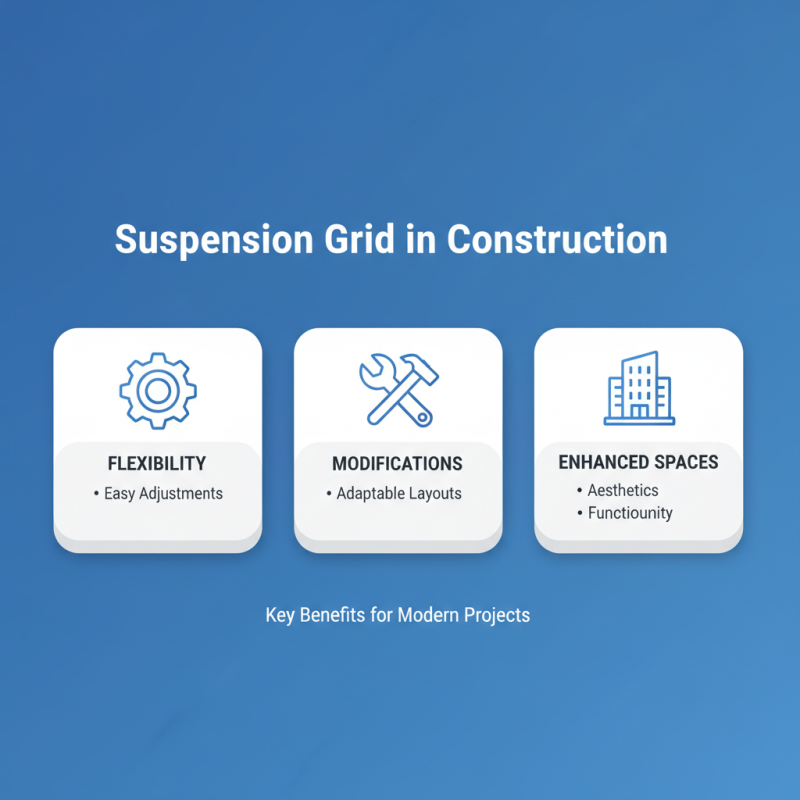
Suspension grids are becoming increasingly popular in construction projects. They offer a range of benefits that can enhance both aesthetics and functionality. One of the key advantages is flexibility. A suspension grid allows for easy adjustments and modifications. This is particularly useful in office spaces where the layout may change over time.
Durability is another important factor. These grids can support various ceiling materials, from tiles to panels. They stand up well against environmental challenges, such as moisture. However, proper installation is crucial for maximizing these benefits. A poorly installed grid can lead to sagging or instability, which compromises the overall structure.
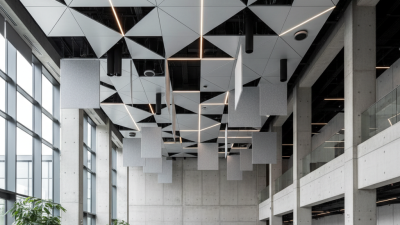
Aesthetic appeal cannot be overlooked. Suspension grids provide a clean and organized look. They help integrate lighting and HVAC systems seamlessly. But it’s important to choose the right design that complements the overall architecture. Some may find the selection overwhelming. Focus on details and consider how each element will fit together.
Understanding the Basic Components of Suspension Grid Systems
Suspension grid systems are essential in modern construction. Understanding their components can enhance the effectiveness of your projects. The main elements include grid panels, hangers, and vertical supports. Each piece plays a crucial role in the system's integrity.
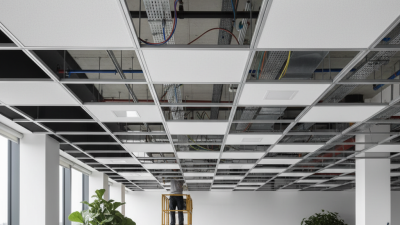
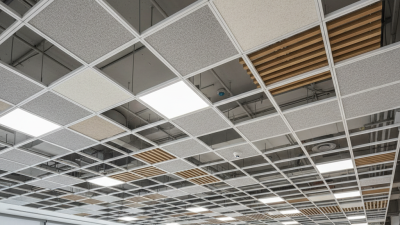
Grid panels are typically made from metal. They provide a sturdy framework for attaching ceiling tiles. The tiles can be acoustic, fire-resistant, or decorative. Hangers connect the grid to the ceiling structure. They come in various types, depending on the ceiling height and load requirements.
Vertical supports, or main runners, ensure stability. They distribute weight evenly across the system. Being aware of these components helps in making informed decisions. However, designing a suspension grid requires careful planning. Oversights can lead to structural issues or aesthetic concerns. Understanding these elements can greatly impact your project's success.
How Suspension Grid Improves Aesthetic Appeal in Interiors
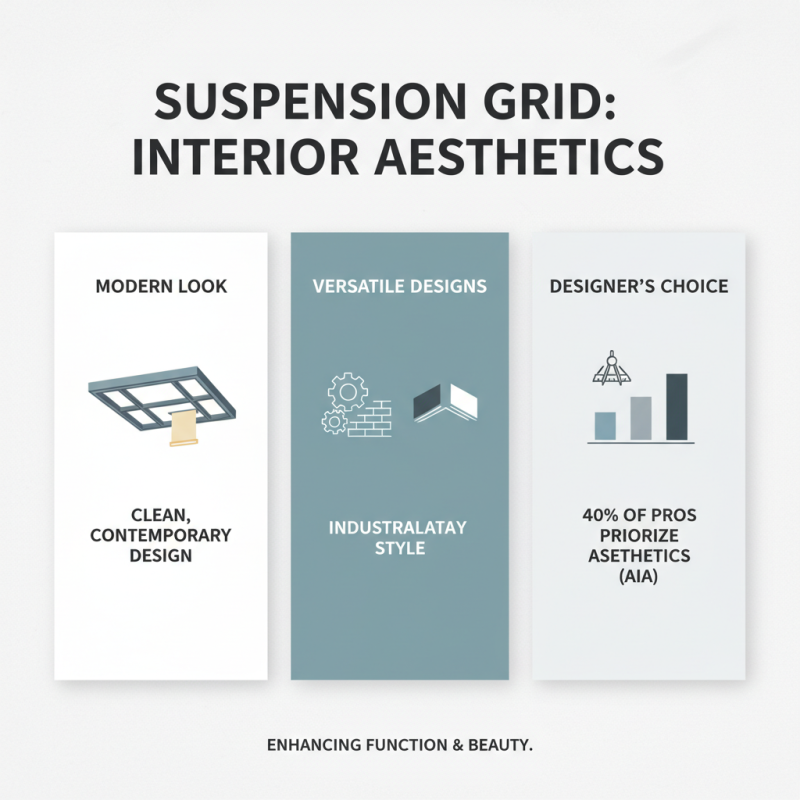
Suspension grids have become a popular choice for interior design projects, enhancing both functionality and aesthetic appeal. According to the American Institute of Architects, 40% of design professionals prioritize aesthetics when choosing materials. Suspension grids provide a clean, modern look that appeals to clients and users alike. The versatile designs can complement various styles, from industrial to contemporary.
Incorporating a suspension grid can significantly influence the ambiance of a space. They allow for customizable ceiling heights and can accommodate various lighting options. This adaptability enables designers to create inviting and cohesive environments. A study by the International Facility Management Association revealed that well-designed interiors can improve productivity by up to 15%. By integrating suspension grids, spaces can feel more open, enhancing overall comfort.
However, it’s essential to balance aesthetics with practicality. Poorly designed grids may lead to issues such as noise pollution or temperature inconsistency. Designers must ensure that the installation complements the room's acoustics and climate control. Continuous evaluation and adjustment during the design phase can lead to better final outcomes. Striving for both beauty and functionality will ultimately create spaces that resonate with their users.
Cost-Effectiveness: Budgeting with Suspension Grid Solutions
When considering cost-effectiveness in construction, suspension grids often stand out. Budget constraints are a critical aspect of any project. Recent data indicates that using suspension grid systems can reduce installation time by up to 20%. This efficiency translates to significant savings. Labor costs decrease as workers complete installations faster. Additionally, lower material costs contribute to overall affordability.
According to a report by industry analysts, companies can save approximately 15% on ceiling installation projects. This reduction stems from minimal waste and simplified logistics. With suspension grids, the need for intricate custom designs is often eliminated. However, the upfront investment must be considered carefully. Some projects may find initial costs slightly higher than traditional methods, but the long-term savings usually offset this.
Choosing suspension grids can sometimes lead to unexpected challenges. For instance, not all designs fit seamlessly into existing building plans. Adjustments might be necessary, adding unplanned expenses. Evaluating the project's specific context is crucial before making a decision. It’s essential to weigh immediate costs against potential savings and evaluate all factors involved. In the end, effective budgeting hinges on informed choices and adaptable planning.
Cost-Effectiveness of Suspension Grid Solutions
Comparison of Suspension Grid with Alternative Ceiling Solutions
When considering ceiling solutions, suspension grids stand out amidst competition from drywall and other systems. A recent report from the Ceilings and Interior Systems Construction Association (CISCA) indicates that suspension grids can reduce installation time by up to 30%. This efficiency is appealing for contractors facing tight timelines. Furthermore, a study by the American Institute of Architects shows that suspended ceilings allow for easy access to ducts and utilities. This feature is crucial for maintenance and flexibility in design.
However, suspension grids may not always deliver a flawless finish. Some projects may reveal visible grid lines, which can detract from aesthetic appeal. The average dissatisfaction rate reported among designers is about 15%, highlighting that attention to detail is essential.
Tips: Consider the space requirements before installation. Ensure the height is adequate to avoid obstructions. Always review maintenance needs to determine the best fit for your project.For improved insulation, consider acoustic ceiling tiles. They work well with suspension grids and enhance sound quality.
Ultimately, the choice of ceiling type depends on project goals and constraints. Weighing the pros and cons will guide you toward a more informed decision.
Why Choose Suspension Grid for Your Next Project? - Comparison of Suspension Grid with Alternative Ceiling Solutions
| Feature |
Suspension Grid |
Drywall Ceiling |
Acoustic Tile |
Wood Panel Ceiling |
| Installation Time |
Short (< 1 week) |
Long (1-2 weeks) |
Medium (~1 week) |
Long (1-2 weeks) |
| Acoustic Performance |
Good |
Average |
Excellent |
Good |
| Accessibility for Maintenance |
High |
Low |
Medium |
Low |
| Design Flexibility |
High |
Medium |
High |
Limited |
| Cost |
Moderate |
Low |
High |
Very High |