How to Choose the Best Plywood Table for Your Needs?
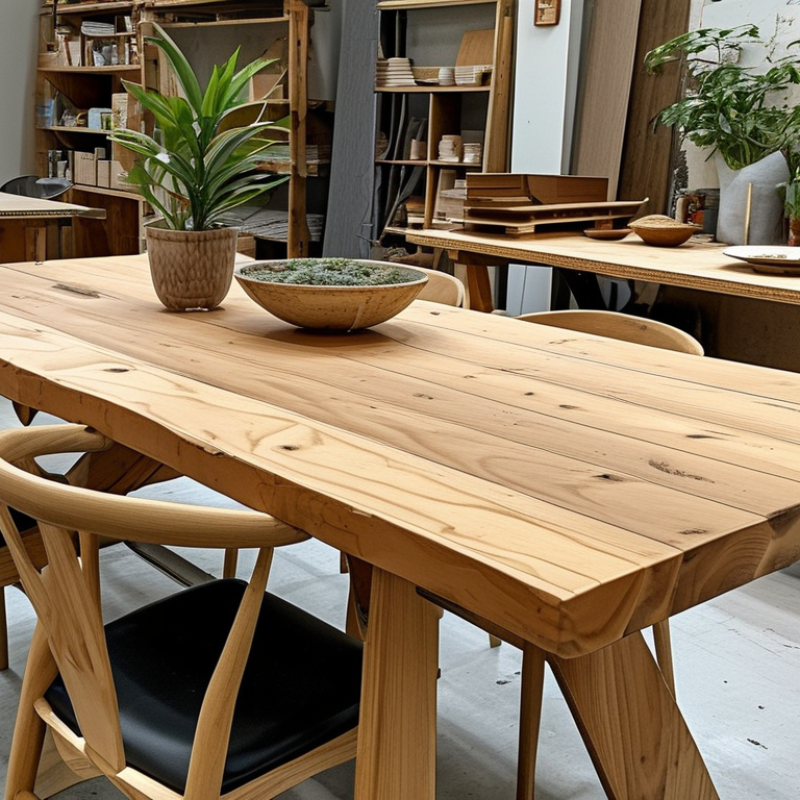
Choosing the right Plywood Table can greatly enhance your space. Whether it's for dining, work, or crafting, the right table matters. Plywood tables are versatile and stylish. They can fit into various décor styles, from modern to rustic.
When selecting a Plywood Table, consider your needs and preferences. Think about the size, shape, and finish. Each detail can change the table's function and aesthetic. You don’t want a table that doesn’t fit your room or lifestyle. A table too big may overcrowd the space. A table too small might not serve your needs effectively.
It's also important to check quality. Look for durable plywood that can withstand wear and tear. Some tables may look good but lack structural integrity. Don't hesitate to ask questions or seek expert advice. Relying on trusted sources can guide your choice. Remember, the ideal Plywood Table should reflect both function and design.
Understanding Plywood: Types and Characteristics
Plywood is a versatile material used in many projects. Understanding its types and characteristics is vital for selecting the right plywood table. Plywood generally falls into three categories: softwood, hardwood, and engineered. Each type has unique features that cater to different needs.
Softwood plywood is lightweight and often more affordable. It's suitable for furniture intended for light use. Hardwood plywood, made from more resilient woods like oak, offers enhanced strength and a premium finish. It is ideal for tables that require durability. Engineered plywood, such as laminated veneer lumber, provides excellent structural stability. Reports indicate that engineered plywood can withstand greater stresses compared to traditional materials.
Tip: Always check the grading of plywood. Higher grades are smoother and contain fewer defects. Consider your project's demands. For example, if it's a heavy-duty table, choose a hardwood option with a high grade.
Many factors influence your choice. Thickness affects strength, while veneer layers determine appearance. Some plywood can warp over time, especially in humid conditions. Regular maintenance can alleviate this issue.
Tip: Store your plywood flat to prevent warping. Use sealants for added moisture resistance. By understanding the material, you can make an informed decision for your next project.
Assessing Your Needs: Purpose and Usage of the Table
When choosing a plywood table, consider its purpose and how you'll use it. Will it primarily serve as a workspace, dining surface, or a craft table? Determining the table’s main function helps narrow choices. For example, if it’s for a home office, focus on durability and size. If it’s for a dining area, prioritize design and finish.
Assess the activities you’ll perform on the table. If you often paint or craft, select a table with a robust surface that can withstand spills and scratches. Measure your space accurately before purchasing. A table that is too large can overwhelm a room, while one that is too small may not meet your needs.
Tips: Always test the table sturdiness before buying. A wobbly table can be frustrating. Consider additional features like adjustable height or collapsibility for versatility. Choose a style that complements your existing decor. Keep functionality at the forefront of your decision-making process. Reflect on how it aligns with your overall needs and preferences.
How to Choose the Best Plywood Table for Your Needs?
| Dimension |
Purpose |
Usage |
Ideal Thickness |
Weight Capacity |
| 4' x 2' |
Dining Table |
Family Meals |
3/4" |
400 lbs |
| 6' x 3' |
Work Desk |
Home Office |
1" |
500 lbs |
| 5' x 3' |
Coffee Table |
Living Room |
1/2" |
200 lbs |
| 8' x 4' |
Event Table |
Large Gatherings |
1" |
800 lbs |
| 2' x 2' |
Side Table |
Small Spaces |
3/4" |
150 lbs |
Evaluating Thickness and Durability of Plywood
When evaluating plywood for tables, thickness and durability are key factors. The standard thickness for plywood ranges from 1/4 inch to 3/4 inch. Thicker plywood often provides better durability and strength. However, it’s essential to consider how the thickness affects weight. Heavy tables can be hard to maneuver. Lightweight options may sacrifice sturdiness.
Durability largely depends on the type of wood used in the plywood. A good plywood table can resist warping and damage from moisture. Look for plywood that has layers glued together with high-quality adhesive. This construction adds to its resilience. Areas of use must also be considered. For outdoor use, weather-resistant treatments may be necessary.
A common pitfall is overlooking the plywood grade. Higher-grade plywood has fewer knots and defects. It's often smoother, enhancing the overall look of the table. Yet, higher quality can mean a higher price. Balancing cost with expected use is crucial. Understanding these factors can lead to better decisions when choosing plywood for your table needs.
Choosing the Right Finish: Surface Treatment Options
When selecting the best finish for your plywood table, consider the intended use. Different treatments will enhance durability, appearance, and functionality. Oil-based finishes give a warm, natural look. They penetrate the wood, providing a soft sheen while allowing for easy touch-ups. However, they can take longer to dry and may require more frequent reapplication.
Water-based finishes offer a fast-drying option. They come in various sheens and are less toxic, making them ideal for indoor furniture. The downside is that they usually do not provide the same depth of color as oil-based products. This can lead to a less vibrant appearance over time. It’s essential to test the finish on a scrap piece before applying it to the actual table.
Consider protective coatings too. A polyurethane finish is popular for its resilience against scratches and spills. This option adds a layer of shine, but it can also hide the wood’s natural beauty. Refinishing may become necessary when it loses its luster. No finish is perfect. Regular maintenance and observation of wear and tear will keep your plywood table looking its best.
Surface Treatment Options for Plywood Tables
Budget Considerations: Finding Quality within Your Budget
When considering a plywood table, budget is a critical factor. Quality options exist at various price points, but finding the right balance can be challenging. Remember, a lower price might mean compromised durability. Think about the purpose of your table. Will it be used daily? A higher investment could be wise for daily-use furniture.
Examining different plywood types is essential. Some are more affordable yet less robust. Look for thickness and grade information. The table's finish also impacts durability and aesthetics. A beautifully finished table can elevate your space, but it might stretch your budget. Don’t forget about potential additional costs, like delivery and assembly, when planning your budget.
Reflect on your needs and preferences. A premium-looking table doesn't always mean it's the right choice. Sometimes, a simpler design might better fit your space and budget. Experiment with different styles to see what resonates. In the end, your plywood table should blend functionality with your design vision, all while being financially feasible.