Top 10 PVC Wall Panels You Must Consider for Your Next Project?
When planning your next project, the choice of materials can make a significant difference. PVC Wall Panels stand out as a versatile option for both aesthetic appeal and functionality. They are lightweight, easy to install, and offer a range of designs. This article will explore the top 10 PVC Wall Panels that you should consider.
These panels come in various colors, patterns, and finishes. Whether you're renovating a bathroom or upgrading a living room, PVC Wall Panels provide durability and style. They are water-resistant, making them ideal for high-moisture areas. However, selecting the right panel requires careful thought. Not every option will fit your specific needs.
While PVC Wall Panels are certainly appealing, understanding their installation and maintenance is also crucial. Some may find installation tricky without professional help. Reflecting on this can save future headaches. Overall, PVC Wall Panels present an attractive, practical solution, but it’s essential to weigh your options carefully.
Overview of PVC Wall Panels: Benefits and Applications
PVC wall panels have gained popularity due to their versatility and numerous benefits. They are lightweight and easy to install, making them ideal for both residential and commercial projects. According to a report by MarketsandMarkets, the global PVC wall panels market is expected to exceed $7 billion by 2025, which highlights their growing popularity.
One major advantage of PVC panels is their water resistance. This property makes them suitable for areas prone to moisture, such as bathrooms and kitchens. Research shows that PVC panels can reduce maintenance costs by up to 30% compared to traditional materials. However, they may not offer the same aesthetic appeal as natural materials like wood or stone. This limitation can affect design choices.
Durability is another key benefit. PVC panels are resistant to fading, dents, and chemical damage. A study by Grand View Research indicates that the lifespan of PVC wall panels is around 25-30 years. While this offers long-term savings, it’s important to consider disposal challenges at the end of their lifecycle. Sustainability concerns arise, as PVC is not biodegradable and can impact the environment if not disposed of properly.
Exploring these aspects is essential for making informed decisions in any project. Balancing practicality with aesthetics and environmental impact remains a challenge.
Key Features to Look for in Quality PVC Wall Panels
When considering PVC wall panels for your next project, certain features are crucial. Look for durability. High-quality panels withstand moisture and impact. They are ideal for areas prone to dampness, like bathrooms and kitchens. A surface that resists scratches and stains can save maintenance time. Ensure the panels are easy to clean; a simple wipe can keep them looking fresh.
Check the installation process. Some panels feature interlocking designs that simplify mounting. This can save you time and reduce labor costs. Consider insulation properties as well. Good panels can aid in thermal efficiency. They also contribute to soundproofing, making spaces more comfortable.
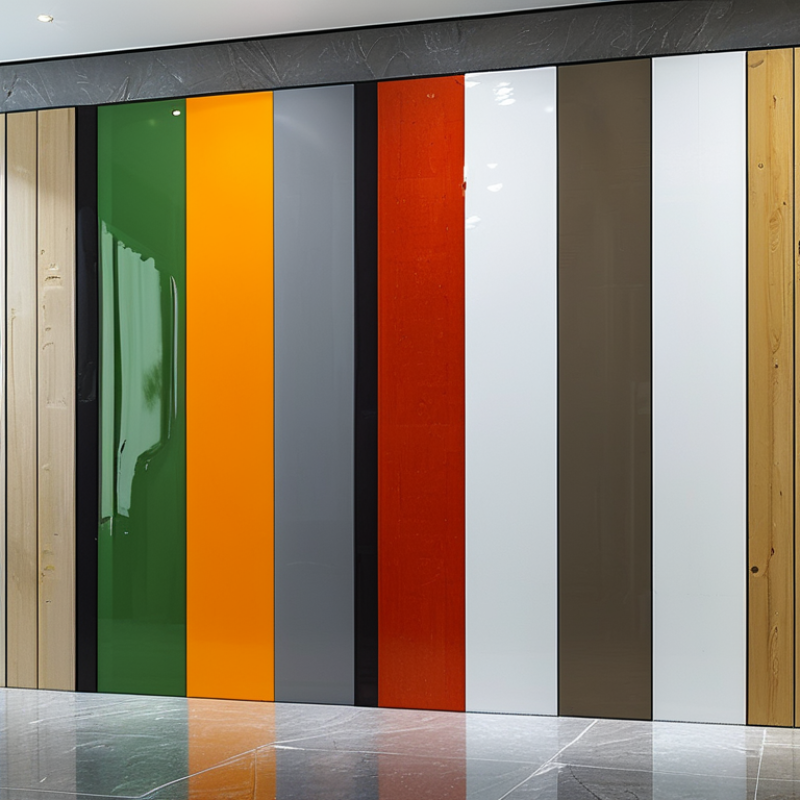
Further, the appearance is essential. Select panels that match your design vision. Many come in various colors and patterns. It's easy to find an option that enhances aesthetics. However, balance style with functionality. Some designs may look appealing but lack longevity. Take time to reflect on the features that matter most for your specific needs.
Top 10 Recommended PVC Wall Panels for Various Uses
When considering PVC wall panels, it's essential to think about their varied applications. These panels are versatile, suitable for residential and commercial projects. They can enhance living spaces or improve the look of office interiors. One key advantage is their ease of installation. DIY enthusiasts appreciate how quick it is to achieve a polished look.
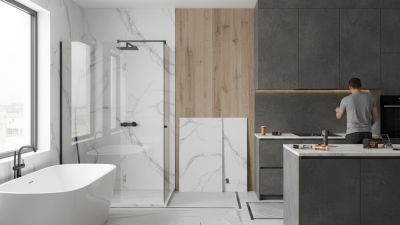
For bathrooms, moisture-resistant panels are ideal. They prevent mold and mildew growth. In kitchens, panels with durable finishes can withstand heat and spills. Some are even designed to mimic natural materials like wood or stone. This adds a touch of elegance without the upkeep. Yet, the aesthetics might not suit everyone’s style, leading to mixed feelings about their use.
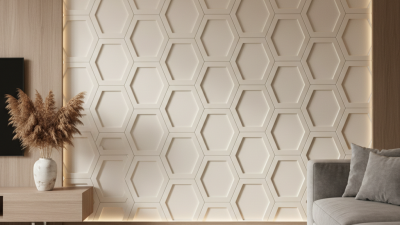
In living rooms or hallways, PVC panels can create focal points or accent walls. The variety of colors and textures available allows for personal expression. However, it’s crucial to research the different options. Some panels may fade or warp over time. It's advisable to check product reviews and seek recommendations. This helps ensure that your choice aligns with your needs and project goals.
Comparison of Cost and Durability among Popular PVC Wall Panels
When considering PVC wall panels for your project, cost and durability are critical factors. PVC panels are often cheaper than traditional wall materials like wood or drywall. On average, you can expect to pay less per square foot. Installation costs also tend to be lower due to the lightweight nature of PVC. However, it is essential to evaluate the quality of the panels. Not all PVC products are created equal, and some may wear down faster than others.
Durability is another key aspect. High-quality PVC wall panels resist moisture and are less prone to damage. They are ideal for areas like bathrooms or basements. However, some cheaper options may warp or discolor over time. It's worth investing in panels that have a proven track record. Conduct thorough research. Read reviews and make comparisons, as longevity can vary widely. Finding a balance between cost and durability is often challenging. Many products on the market look attractive at first glance but may not withstand the test of time. Always consider your specific needs before making a choice.
Installation Tips for PVC Wall Panels: A Step-by-Step Guide
Installing PVC wall panels can be straightforward but requires attention to detail. Begin by measuring your wall space accurately. Make sure to account for windows and doors. A dry and clean surface is essential for proper adhesion. Use a level to mark guide lines on the wall. These will help keep your panels straight.
When cutting panels, use a fine-toothed saw or a utility knife. Measure twice before making any cuts. It’s easy to misjudge sizes. An imperfect cut can ruin the entire panel. After cutting, dry-fit the panels to check alignment before applying adhesive. This step can save time and frustration later.
Adhesives and tools matter. Use quality construction adhesive to ensure long-lasting results. A caulking gun helps, but practice first. Sometimes, it takes several tries to find the right pressure. As you work, apply pressure to each panel as you install them. This might feel tedious, but it ensures a secure fit. Remember, taking your time is key to achieving a professional look. Wait for the adhesive to cure fully before applying any finish or trim. Each step builds towards a successful project.
Top 10 PVC Wall Panels You Must Consider for Your Next Project
| Panel Type |
Thickness (mm) |
Dimensions (mm) |
Installation Method |
Maintenance |
| Classic White |
8 |
2500 x 600 |
Glue or Clip |
Wipe with Damp Cloth |
| Wood Texture |
10 |
3000 x 400 |
Snap-In |
Dust Regularly |
| Marble Design |
8 |
2500 x 500 |
Glue |
Mild Soap Solution |
| Textured Panel |
12 |
2400 x 600 |
Nail or Glue |
Vacuum Clean |
| Colorful Panel |
7 |
2000 x 800 |
Clip |
No Special Care |
| 3D Effect Panel |
9 |
3000 x 600 |
Snap-In |
Wipe Down |
| Glossy Finish |
5 |
2500 x 400 |
Glue |
Soft Cloth |
| Stone Finish |
10 |
2000 x 600 |
Nail |
Requires Sealing |
| Patterned Panel |
6 |
2200 x 500 |
Clip |
Wipe Regularly |
| Eco-Friendly Panel |
8 |
2100 x 600 |
Glue or Clip |
Organic Cleaner |