Choosing a False Ceiling Grid in 2026 requires more than comparing prices and surface finishes. The right system must suit the room, structure, services, and maintenance plan. A busy clinic may need washable panels, stable suspension, and easy access above the ceiling. A modern office may prioritise acoustic control, lighting integration, and clean alignment. Small details matter. Grid width, panel weight, corrosion resistance, and suspension spacing can affect long-term performance.
This guide examines practical selection criteria used by experienced contractors, interior specialists, and building consultants. It considers material quality, load capacity, fire performance, moisture exposure, acoustic needs, installation tolerances, and supplier documentation. Always check current project requirements and verified manufacturer data. Product claims should not replace professional inspection. A sample grid can reveal uneven paint, weak clips, or visible joints before installation begins. That simple test is often overlooked.
Budget also deserves a realistic view. The cheapest system may create higher costs through sagging panels, difficult repairs, or repeated replacement. Yet the most expensive option is not automatically the best. Sometimes, a simpler galvanised steel grid performs better than a decorative alternative in a humid service area. Conditions differ. Judgement can be imperfect. Even experienced teams may revise their choice after examining the ceiling void, access routes, and local installation conditions. By comparing these factors carefully, readers can choose a safer, more durable, and more appropriate ceiling framework for 2026 projects.
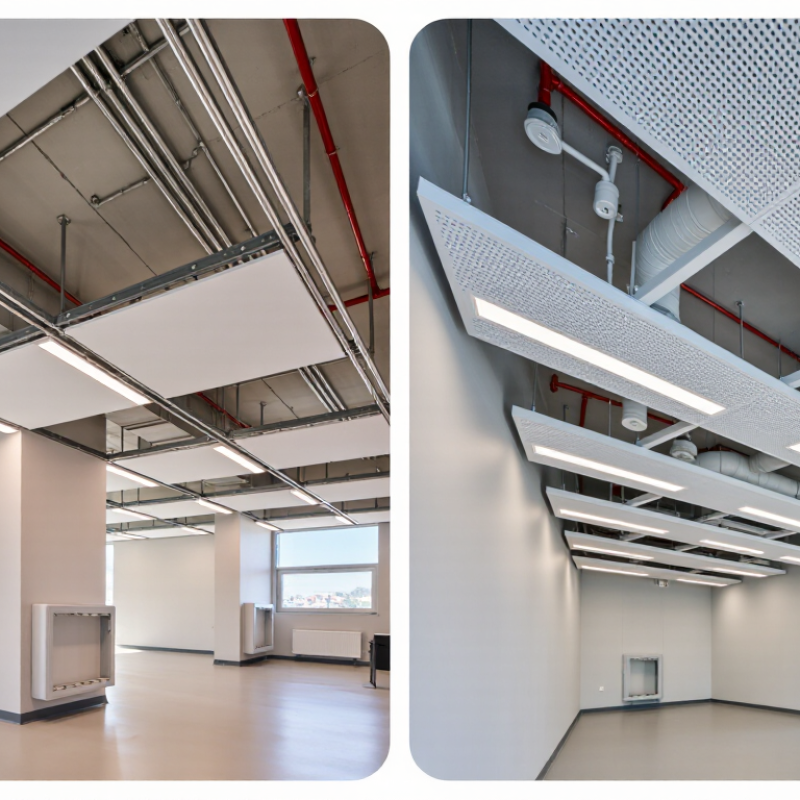
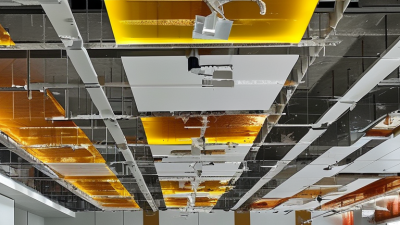
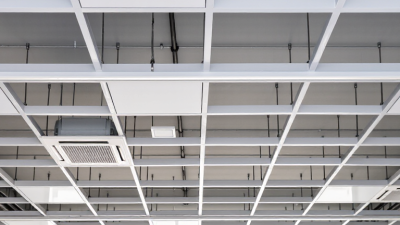
Choosing a false ceiling grid starts with the room’s function, not its appearance. The grid supports panels, lighting, air diffusers, and maintenance access. Exposed T-grid systems suit offices, schools, and retail spaces where quick servicing matters. Their visible lines create a regular ceiling rhythm. Lay-in panels can be removed without special tools. This is practical. However, exposed grids may look too technical for hospitality interiors. That trade-off deserves attention.
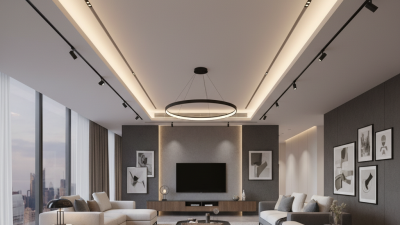
Concealed grids hide the support framework behind the ceiling surface. They create a cleaner appearance for reception areas, galleries, and premium residential rooms. Installation demands tighter alignment and careful panel planning. Access can become slower and more expensive. Clip-in systems use metal panels secured to a concealed carrier. They work well in corridors, kitchens, and transport facilities because panels resist movement. Moisture resistance and corrosion protection remain essential in humid zones. A dry room is not guaranteed.
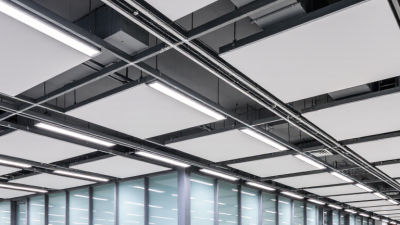
Tegular systems have recessed edges, adding shadow lines between panels. They can soften large offices while preserving fairly easy access. Linear grids support long panels, making them suitable for narrow corridors and directional designs. Selection should consider span, load, seismic movement, fire performance, acoustics, and local building requirements. Ask the installer for deflection data and maintenance clearances. I would also inspect a sample bay under real lighting. Small defects often appear after installation. The most attractive sample may not be the best choice.
Room requirements should guide the grid before appearance does. Identify lighting, air diffusers, sprinklers, access panels, and maintenance routes. A crowded plenum needs a stable, easily removable system. The 2024 UNEP Global Status Report states that buildings consume about 32% of global energy. This supports better coordination around lighting, ventilation, and insulation. Yet energy performance alone does not determine a suitable grid. Acoustic control matters in classrooms, offices, and healthcare spaces. Moisture resistance matters in kitchens, washrooms, and coastal buildings.
Load capacity requires more than checking the ceiling tile weight. Include light fittings, air terminals, signage, access panels, and temporary maintenance loads. ASTM C635 covers the manufacture and performance of metal suspension systems, while ASTM C636 addresses installation practices. Follow the tested assembly, not only the product label.
Field inspections often find overloaded cross tees near service openings. That mistake is easy to miss. Seismic movement, fire requirements, and local building codes also affect hanger spacing and connection details.
Tips: Measure the plenum first. Record humidity, temperature, and existing damage. Ask for tested load data and deflection limits. Keep heavy equipment independently supported when required. A flexible-looking grid may fail under repeated access. Recheck the layout after every service change. I would also leave a small review point in the specification, because real ceilings rarely match the drawing perfectly.
How to Choose a False Ceiling Grid in 2026?
Choosing a false ceiling grid starts with the room, not the catalogue. Galvanized steel offers strength and stable alignment in offices, schools, and retail spaces. Aluminum is lighter and resists corrosion in humid rooms. It can cost more, though. In coastal projects, I have seen untreated steel develop visible rust near cut edges. Powder-coated finishes improve appearance and protection. White remains practical, but dark finishes can make service marks more noticeable.
Grid size affects both appearance and access. The common 600 by 600 millimeter module suits standard lighting and ventilation panels. A 600 by 1200 millimeter layout creates fewer joints and a calmer ceiling line. Always check panel availability before fixing the grid. Metric and imperial dimensions are not interchangeable. Measure twice. Small errors become obvious under linear lights.
Installation methods also change the project’s performance. Exposed lay-in grids provide quick access to cables and pipes. Tegular panels create deeper shadow lines but require accurate alignment. Concealed systems look cleaner, yet maintenance takes longer and may damage edges. Clip-in grids work well where security and hygiene matter. Allow space for hangers, ducts, and sprinkler adjustments. Experienced installers inspect the slab before drilling, because uneven surfaces can transfer stress into the grid. I once underestimated this issue on a renovation, and several joints needed adjustment. A careful installation plan would have prevented that delay.
Compare grid materials, standard exposed flange sizes, finishes, and installation methods.
Material density values are approximate reference values at room temperature: galvanized steel 7,850 kg/m³, aluminium 2,700 kg/m³, and stainless steel 8,000 kg/m³. Actual grid-system weight depends on profile geometry, coating thickness, and accessories.
Galvanized steel is the common general-purpose choice. Aluminium reduces material weight and offers strong corrosion resistance. Stainless steel is suitable for demanding hygienic or corrosive environments.
Exposed grid systems commonly use 15 mm or 24 mm visible flanges. White factory-painted finishes are widely used, while black, metallic, and custom colors are selected for visual design or service coordination.
Standard suspended grids use hanger wire or approved suspension systems. Seismic areas may require additional bracing, perimeter detailing, and movement provisions according to local building codes.
How to Choose a False Ceiling Grid in 2026?
Check Acoustic, Fire, Moisture, and Maintenance Performance
A false ceiling grid should match the room’s actual risks, not just its appearance. I have seen attractive systems fail because acoustic needs were ignored. In open offices, check sound absorption, speech privacy, and reverberation data. A quieter ceiling can reduce distraction near meeting areas. Do not trust vague claims. Ask for laboratory test results and installation conditions.
Fire performance requires careful verification. Select components with documented fire classifications that suit the building design and local requirements. The grid, panels, hangers, and penetrations should work as one assembly. A strong rating on one component may not represent the complete ceiling. This detail is often missed. Ask a qualified professional to review the tested configuration before approval.
Moisture changes everything.
In kitchens, bathrooms, or coastal buildings, inspect corrosion resistance and humidity limits. Look for accessible surfaces that can be cleaned without damaging the finish. Maintenance also depends on removable panels, stable alignment, and safe access above the ceiling. Leave enough service space for lights, pipes, and ventilation equipment. I prefer a sample installation before full purchasing, although this adds time. It can reveal sagging, rattling, or difficult access that drawings hide. Some performance data may still be incomplete, so record assumptions and revisit them during construction.
| Grid System Type | Typical Material and Finish | Acoustic Performance | Fire Performance | Moisture and Corrosion Resistance | Maintenance Performance | Typical Applications | Selection Recommendation |
|---|---|---|---|---|---|---|---|
| Exposed galvanized steel T-grid | Cold-formed galvanized steel, commonly with a factory-applied painted finish. Standard grid widths are often approximately 15 mm or 24 mm. |
Medium The grid has little direct effect on sound absorption. With mineral-fiber or fiberglass ceiling panels, the complete ceiling system can commonly achieve an NRC of approximately 0.55–0.90, depending on the panel. |
High Steel is non-combustible. Fire-resistance ratings apply to the tested ceiling assembly, including panels, suspension system, plenum, penetrations, and structural conditions—not to the grid alone. |
Medium Suitable for normal interior humidity. Standard galvanized steel should be protected from persistent condensation, leaks, and high-humidity exposure. |
High Individual panels can usually be removed for access to services. Damaged grid sections can be replaced without dismantling the entire ceiling. |
Offices, schools, retail areas, corridors, and general commercial interiors. | A balanced option when cost, accessibility, acoustic panels, and routine service access are important. |
| Heavy-duty exposed galvanized steel T-grid | Heavier-gauge galvanized steel with reinforced tees and stronger mechanical connections than standard-duty systems. |
Medium Acoustic results are mainly governed by the ceiling panel, plenum depth, insulation, and room design. The stronger grid does not automatically increase NRC. |
High Non-combustible steel can be used in tested fire-rated ceiling assemblies when the complete system meets the required standard. |
Medium Better mechanical durability than light-duty grid, but the galvanized coating still requires protection from continuous wet conditions and aggressive chemicals. |
High Suitable for frequent panel removal, heavier ceiling panels, and areas where grid deflection control is important. |
Large offices, airports, public buildings, high-traffic spaces, and areas with frequent maintenance access. | Choose when serviceability, load capacity, and resistance to accidental impact are more important than minimum material cost. |
| Concealed steel suspension system | Galvanized or coated steel members designed to support concealed-edge ceiling panels. The grid is largely hidden after installation. |
Medium Acoustic performance depends almost entirely on the selected concealed ceiling panels and the backing or plenum treatment. Panel replacement may be less convenient. |
High Steel is non-combustible, but the concealed ceiling must be selected as part of a tested fire-rated assembly where a rating is required. |
Medium Use a corrosion-resistant coating and suitable panel materials where humidity is elevated. Concealed damage can be harder to inspect. |
Low to Medium Provides a clean visual appearance but generally requires more careful removal procedures and may offer slower access to above-ceiling services. |
Premium offices, hospitality areas, showrooms, executive interiors, and design-led spaces. | Select when visual continuity is a priority and maintenance access is occasional rather than frequent. |
| Moisture-resistant coated steel grid | Galvanized steel with an enhanced protective coating, such as a corrosion-resistant painted or polymer finish. Coating type and thickness should be verified in the specification. |
Medium Acoustic performance remains dependent on the ceiling panel. Pair with moisture-resistant acoustic panels when both humidity control and sound absorption are required. |
High The steel substrate is non-combustible. Coating composition and the full ceiling assembly must be checked against the required fire classification. |
High Better suited to intermittent high humidity, condensation risk, and areas exposed to cleaning moisture. It is not a substitute for waterproofing or leak control. |
High Wipe-clean finishes and accessible exposed layouts simplify inspection and replacement. Scratches should be repaired to maintain corrosion protection. |
Healthcare areas, washrooms, kitchens outside direct wash-down zones, basements, and humid commercial interiors. | Use where humidity is a recurring concern but the space does not require a fully wet-area or chemically aggressive environment. |
| Aluminum exposed grid | Extruded or formed aluminum, usually anodized, painted, or powder-coated. Aluminum is lighter than steel and naturally forms a protective oxide layer. |
Medium The grid itself provides limited sound absorption. Acoustic performance is determined by the installed ceiling panels, perforations, acoustic fleece, and plenum treatment. |
Medium Aluminum is non-combustible, but it loses strength at elevated temperatures more readily than steel. Fire-rated use must be supported by a tested assembly. |
High Good resistance to normal humidity and many indoor environments. Compatibility should be checked in salty, alkaline, or chemically contaminated atmospheres. |
High Lightweight sections are easy to handle and replace. Visible scratches or dents may be more noticeable on decorative finishes. |
Coastal interiors, humid public buildings, transport facilities, and projects requiring reduced grid weight. | Choose for corrosion resistance and low weight, while confirming structural capacity and fire-assembly requirements. |
| Stainless-steel exposed grid | Stainless steel with a brushed, polished, or coated surface. It is typically selected for demanding hygiene or corrosion environments. |
Medium The grid does not significantly improve absorption. Select acoustically rated panels or perforated components for sound control. |
High Stainless steel is non-combustible. The required fire rating must still be demonstrated by the complete tested ceiling construction. |
High Excellent resistance in many humid and hygienic environments. The correct stainless grade and cleaning regime are important in chloride-rich or chemical environments. |
High Smooth surfaces are easy to clean and inspect. Abrasive cleaning can damage the finish and create visible surface marks. |
Laboratories, food-processing support areas, healthcare spaces, clean environments, and coastal or chemically demanding interiors. | Select when hygiene, corrosion resistance, and cleanability justify the higher material and installation cost. |
Set the budget before comparing false ceiling grids. Grand View Research estimated the global suspended ceiling market at approximately USD 7.8 billion in 2023, with continued growth expected through 2030. Demand alone does not justify a premium system. Measure the room, service zones, lighting layout, and access requirements. Then divide the budget into materials, labor, delivery, cutting waste, and future repairs. Keep a 10–15% contingency. It feels excessive until a duct route changes.
Choose the grid by lifecycle value, not by purchase price. A standard exposed grid may suit offices with frequent cable access. A concealed system can create a cleaner appearance, but installation usually demands tighter alignment and more skilled labor. The 2024 World Green Building Council reports that building materials and construction contribute significantly to global emissions, so recycled content, durability, and replaceable panels deserve attention. Acoustic performance matters too. The World Health Organization links excessive indoor noise with stress and reduced concentration.
Ask suppliers for load ratings, corrosion resistance, fire classifications, and documented test methods. Check whether local contractors can install and repair the system. A cheaper grid becomes expensive when replacement parts are slow to source. Do not ignore ceiling height. A 150-millimeter service void may work on paper, yet fail around valves and junction boxes. My practical preference is a simple, accessible grid with verified documentation. It is not always the most attractive choice. It is often the least regretful one.