What is Waterproof Gypsum Board and How is it Used?
Waterproof Gypsum Board is a specialized building material designed to resist moisture. This board is essential in areas prone to water exposure, such as bathrooms and kitchens. It provides a reliable solution for preventing mold growth and extending the life of walls and ceilings.
The manufacturing process of Waterproof Gypsum Board enhances its durability. It includes additives that protect against water damage, making it a top choice for various construction projects. Many builders rely on its proven effectiveness. However, it’s crucial to assess its limitations. Proper installation is necessary to achieve its full benefits.
This product, while highly useful, may not be suitable for all applications. Understanding its strengths and weaknesses is important for homeowners and builders alike. By focusing on the right use cases, Waterproof Gypsum Board can significantly improve building longevity and performance.
What is Waterproof Gypsum Board?
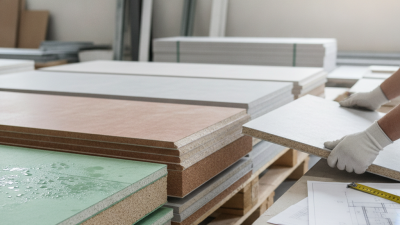
Waterproof gypsum board is a specialized building material designed for high-moisture areas. Its composition includes a water-resistant core and a moisture-resistant paper facing. This makes it ideal for bathrooms, kitchens, and basements, where traditional gypsum boards would falter. According to the American Gypsum Association, nearly 30% of moisture-related issues in buildings stem from inadequate material choice.
The manufacturing process for waterproof gypsum board often involves additives that enhance its durability. These boards can withstand humidity levels up to 90%, which significantly reduces the risk of mold growth. In fact, a study by the National Association of Home Builders highlights that homes utilizing waterproof materials can see a decrease in mold occurrences by up to 50%.
However, despite these advantages, proper installation remains crucial. Misalignment can compromise the board's effectiveness, resulting in costly repairs.
While waterproof gypsum board is effective, it’s essential to acknowledge its limitations. It is not entirely impervious to water and can still suffer damage if exposed to excessive moisture. Understanding the appropriate applications of this material ensures its benefits are maximized. Builders and homeowners should always stay informed, as recommendations and industry standards evolve.
Composition and Features of Waterproof Gypsum Board
Waterproof gypsum board is a specialized building material designed to withstand moisture. Its composition typically includes gypsum plaster core, reinforced with additives that enhance its water resistance. Reports from industry experts indicate that waterproof gypsum boards often incorporate fiberglass mats and water-resistant additives. This unique combination significantly improves their durability compared to standard gypsum boards.
The key features of waterproof gypsum board include lower water absorption rates and improved mold resistance. Studies show that these boards can reduce moisture damage in buildings by up to 50%. This makes them an excellent choice for areas prone to high humidity, such as bathrooms and kitchens. While installation is similar to regular gypsum boards, care must be taken to seal joints properly to maintain their water-resistant properties.
However, challenges remain. Some installers may overlook proper finishing techniques, which can lead to water infiltration. Additionally, there is a misconception that all waterproof gypsum boards are entirely impervious to water. In reality, while they resist moisture, prolonged exposure can still cause damage. Understanding these limitations is vital for achieving the best performance in construction projects.
Common Applications of Waterproof Gypsum Board
Waterproof gypsum board is a versatile building material designed to withstand moisture. It is commonly used in areas prone to dampness, such as bathrooms, kitchens, and basements. According to industry reports, the global demand for waterproof gypsum boards is projected to grow by 5.4% annually. This growth reflects its increasing popularity in residential and commercial construction.
In residential settings, waterproof gypsum board is ideal for wet areas. It prevents mold growth and maintains structural integrity. Commercial applications include hotels and restaurants. These environments benefit from the material's durability and ease of installation. Many architects recommend it for ceiling and wall installations due to its fire-resistant properties.
Tips for using waterproof gypsum board include ensuring proper sealing and finishing. Any exposed edges should be treated to enhance moisture resistance. Proper installation is crucial; even a slight gap can lead to issues over time. Monitor conditions where boards are installed, as excessive humidity can impact performance. Creating a moisture barrier can also improve longevity.
What is Waterproof Gypsum Board and How is it Used? - Common Applications of Waterproof Gypsum Board
| Application Area |
Description |
Benefits |
| Bathrooms |
Used for wall and ceiling installation to resist moisture damage. |
Mold resistance and durability in wet areas. |
| Kitchens |
Ideal for areas exposed to water splashes and steam. |
Prevents growth of bacteria and retains structural integrity. |
| Basements |
Suitable for wall framing to protect against moisture from the ground. |
Enhanced moisture control and prevents damage from water leaks. |
| Laundry Rooms |
Used in rooms with water appliances for better moisture management. |
Reduces risks of mold and mildew in humid environments. |
| Outdoor Areas (Sheltered) |
Can be used in covered patios or balconies where moisture is a concern. |
Increases the lifespan of installation in fluctuating weather conditions. |
Installation Techniques for Waterproof Gypsum Board
Waterproof gypsum board is an innovative material designed for areas vulnerable to moisture. Its use in spaces such as bathrooms and kitchens is becoming increasingly common. However, proper installation techniques are crucial for ensuring its effectiveness.
When installing waterproof gypsum board, ensure the surface is clean and dry. A strong adhesive can enhance its bond with the wall. According to industry reports, improper adhesion can lead to board failure, resulting in costly repairs. The seams of the boards must be carefully sealed with a waterproof joint compound. This prevents moisture from seeping through and compromising the integrity of the boards.
Additionally, consider the environment where the boards are being installed. Ventilation plays a significant role in maintaining the longevity of the waterproof gypsum board. Reports indicate that inadequate ventilation can result in mold growth, negating the board's benefits. Ensuring proper spacing and alignment during installation can also help in achieving a seamless appearance. The overall project demands attention to detail to enhance durability and performance.
Maintenance and Care Tips for Waterproof Gypsum Board
Waterproof gypsum board is a popular choice for areas prone to moisture. It offers durability and resistance to mold. To maintain its functionality, regular care is essential. Industry standards suggest checking for signs of wear or damage every six months. This proactive approach can extend the life of the material significantly.
Cleaning is critical for waterproof gypsum board. Use a mild detergent and soft cloth. Harsh chemicals can degrade the surface and compromise its integrity. Additionally, conditions like humidity can affect its performance. Ideal humidity levels should be maintained between 30% to 50%. Monitoring moisture levels can prevent structural issues.
Inspecting joints and seams is another vital aspect of maintenance. Gaps can allow moisture to penetrate, leading to damage. Experts recommend sealing these areas with appropriate caulk. If mold is detected, act quickly. Use a mixture of vinegar and water for treatment. Regular maintenance helps ensure waterproof gypsum board serves effectively over time.