Leave Your Message
WPC Wall Panels combine wood fibers, thermoplastics, and performance additives into a molded wall-covering material. Their textured surface can resemble oak, stone, or painted timber. A typical panel is lightweight, moisture-resistant, and easier to install than many traditional wall finishes. That practical combination explains much of its popularity in homes, hotels, offices, and retail interiors.
Market evidence supports this growing interest. Grand View Research reports that the global wood plastic composites market was valued at approximately USD 7.12 billion in 2023. Its analysis projects continued expansion through 2030, supported by construction activity and demand for durable, low-maintenance materials. Mordor Intelligence also identifies steady growth in the WPC sector, although its market estimates differ. The difference matters. Definitions, regions, and product categories are not always consistent across reports.
Real-world performance depends on more than appearance. Panel density, resin type, surface coating, fire rating, and installation quality can change the result. A panel that performs well in a dry bedroom may need greater care in a humid bathroom. Manufacturers should provide technical data, maintenance instructions, and relevant test documentation. Buyers should also check local building requirements before installation.
The environmental case deserves careful thought. WPC products may use recycled polymers and wood residues, but production still consumes energy. Recycling options can also be limited after installation. They are not a universal fix. This article examines what WPC Wall Panels are, why users choose them, and where their advantages may be overstated. The material is promising, but informed decisions require evidence, not attractive samples alone.
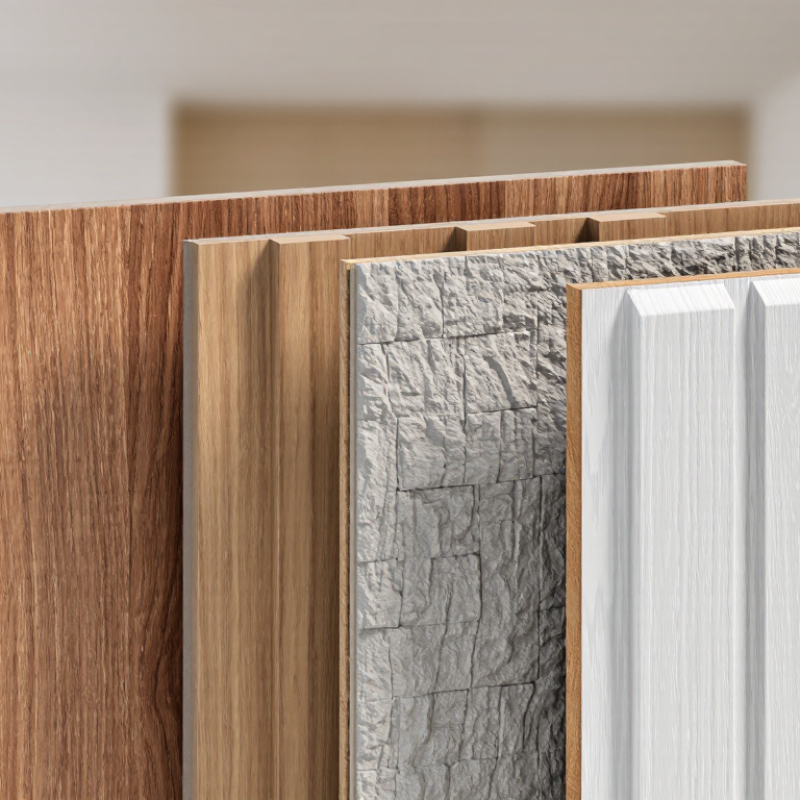
WPC wall panels are interior or exterior cladding boards made from wood fibers and thermoplastic materials. WPC means wood-plastic composite. During production, manufacturers blend these materials with stabilizers, pigments, and bonding agents. Heat and pressure then form the mixture into boards, slats, or textured panels.
The finished surface can resemble timber, stone, or painted wood. Some panels have grooves, embossed grains, or matte finishes that create visible depth. Behind the decorative layer, the composite core provides shape and support. Many panels use interlocking edges, clips, or adhesive during installation. This can reduce visible joints and shorten work time. Still, accurate measurements matter. A small cutting error can make an entire wall look uneven.
WPC panels are popular because they combine a familiar wood-like appearance with easier maintenance. They usually resist moisture, insects, and daily scratches better than untreated wood. Cleaning often requires only a soft cloth and mild soap. They can also add warmth to offices, bedrooms, restaurants, and covered outdoor areas. However, they are not maintenance-free or suitable for every location. Continuous sunlight may fade some finishes, while poor ventilation can cause problems behind the panels. WPC is also not automatically waterproof. I would check the product’s technical data, expansion allowance, fire rating, and installation instructions before choosing it. Some projects need better acoustic control or stronger impact resistance than standard panels provide.
| Data Dimension | Typical Information | Why It Matters |
|---|---|---|
| Material Name | Wood-Plastic Composite, commonly abbreviated as WPC | It combines wood-based fibers or flour with a thermoplastic polymer and performance additives. |
| Main Components | Wood fiber or wood flour, thermoplastic resin, colorants, stabilizers, and processing aids | The formulation determines the panel’s appearance, moisture resistance, rigidity, and service performance. |
| Common Polymer Types | Polyvinyl chloride, polyethylene, or polypropylene | Different polymers influence flexibility, water resistance, weight, and suitability for interior or semi-exterior applications. |
| Typical Applications | Living rooms, bedrooms, offices, hotels, retail interiors, corridors, feature walls, and ceiling accents | WPC panels are mainly selected for decorative wall finishing and interior surface upgrades. |
| Common Surface Finishes | Wood grain, stone effect, fabric texture, matte, embossed, grooved, and slatted designs | A wide range of finishes allows the panels to match contemporary, minimalist, rustic, or commercial interiors. |
| Typical Panel Thickness | Approximately 5–20 mm, depending on the product construction and intended use | Thickness affects rigidity, impact resistance, installation method, and the visual depth of the wall design. |
| Typical Panel Width | Approximately 100–600 mm for many decorative wall-panel formats | Wider panels can reduce the number of visible joints, while narrower panels are useful for detailed patterns. |
| Typical Panel Length | Often supplied in lengths of approximately 2.4–3.0 m, although dimensions vary by product | Longer panels can speed up installation and create a cleaner appearance on tall walls. |
| Moisture Performance | Generally more moisture-resistant than untreated wood when properly manufactured and installed | This makes WPC suitable for many indoor areas exposed to occasional humidity, but it does not automatically make every panel waterproof. |
| Maintenance | Usually cleaned with a soft cloth, mild detergent, and water | The low-maintenance surface helps reduce the need for painting, sanding, or regular refinishing. |
| Installation Methods | Adhesive, clips, screws, battens, or compatible concealed fixing systems | The correct method depends on panel weight, wall condition, ventilation requirements, and the manufacturer’s installation guidance. |
| Visual Benefits | Warm wood-like appearance with consistent patterns and selectable colors | WPC can provide a decorative finish while avoiding some of the color and grain variation found in natural wood. |
| Acoustic Contribution | Grooved, slatted, or backed systems may help reduce echoes when paired with an absorbent backing layer | Sound performance depends on the complete wall assembly, not only on the visible WPC surface. |
| Dimensional Stability | Usually more stable than solid wood in humid conditions, but thermal expansion can still occur | Expansion gaps, suitable fixings, and proper acclimatization help reduce buckling or joint movement. |
| Fire Safety | Fire performance varies by formulation, thickness, additives, and backing system | Project specifications should rely on tested fire-rating documentation rather than assuming all WPC panels have the same rating. |
| Environmental Considerations | May incorporate wood by-products and recycled polymer content, depending on the product | Environmental benefits depend on material sourcing, recycled content, product lifespan, and end-of-life options. |
| Key Advantages | Decorative versatility, relatively simple installation, low routine maintenance, and improved resistance to everyday moisture compared with untreated wood | These combined features explain why WPC wall panels are widely used in residential and commercial interior design. |
| Important Limitations | Possible thermal expansion, variable fire ratings, surface damage from severe impact, and limited recyclability in composite form | Choosing the correct specification and following installation instructions are essential for long-term performance. |