Best PVC Panel For Bathrooms Which One Should You Choose?
When designing a bathroom, choosing the right materials is crucial. Among the options available, PVC panels for bathrooms stand out. They are versatile and practical. This material is increasingly popular for various reasons. It offers water resistance, making it ideal for humid environments.
Many homeowners appreciate the easy maintenance of PVC panels. They don’t require extensive cleaning and can last a long time. However, not all PVC panels are created equal. Differences in quality can affect durability and aesthetics. Some panels might be less visually appealing or prone to damage.
When selecting the best PVC panel for bathrooms, it’s vital to consider your needs. Think about style, color, and thickness. Researching brands and reading reviews can be helpful. Find a balance between price and quality. Each choice might have its pros and cons. Reflecting on your preferences and practicality will guide you in making the best decision.
Understanding PVC Panels: An Overview for Bathroom Use
PVC panels have gained traction in bathroom design due to their durable, water-resistant properties. According to industry reports, these panels can withstand high humidity levels, making them ideal for wet environments. With a life expectancy of up to 20 years, they offer a cost-effective solution for homeowners. Their lightweight nature simplifies installation, allowing for easier handling and renovation.
When selecting the best PVC panels, consider factors such as thickness and finish. Thicker panels often provide better insulation and sturdiness. Some reports suggest that textured finishes can enhance grip, reducing slip risks in wet areas. Colors and patterns are essential too; choose options that complement your bathroom’s design while minimizing the visibility of water spots or stains.
Tips: Focus on UV resistance. Panels with this feature maintain their color and structural integrity longer. Consider investing in panels with mold-resistant additives. Regular cleaning with non-abrasive materials can prolong their aesthetics and functionality. Remember, imperfections in panels can sometimes lead to unique designs, adding character to your space. Reflect on how style and practicality can coexist harmoniously in your bathroom.
Key Benefits of Using PVC Panels in Bathrooms
PVC panels are becoming a popular choice in bathrooms due to their numerous benefits. One of the most significant advantages is waterproofing. Bathrooms are high-moisture areas. PVC panels resist water damage and prevent mold growth, which is essential for maintaining hygiene. This makes them an ideal choice for shower areas and around sinks.
Another key benefit is the ease of maintenance. Cleaning PVC panels is simple. A quick wipe with a damp cloth keeps them looking new. This contrasts with traditional tiles, which may require harsher cleaning products and more effort. Furthermore, PVC panels come in various designs and colors. This allows homeowners to personalize their bathrooms easily.
While PVC panels offer many advantages, there are some considerations to keep in mind. They may not provide the same aesthetic appeal as natural materials. Some people might prefer the authenticity of wood or stone. Additionally, improper installation could lead to issues like bowing or cracking over time. Evaluating these factors is crucial before making a final decision.
Factors to Consider When Choosing PVC Panels for Bathrooms
When choosing PVC panels for bathrooms, several factors must be considered. The environment of a bathroom is unique. High humidity and moisture can damage materials not specifically designed for this setting. PVC panels are often preferred for their water resistance and durability. Research indicates that materials like PVC can last five to ten years longer than traditional tiles in such conditions.
The thickness of the panels is a vital aspect. Thicker panels, generally around 10mm, provide better insulation and sturdiness. Additionally, texture and design influence aesthetics and functionality. Smooth surfaces are easier to clean but may show water spots, while textured options can conceal water marks better. According to industry reports, textured panels also enhance slip resistance.
For your project, consider these tips:
1. Evaluate the panel's UV resistance if sunlight hits the bathroom regularly.
2. Check fire safety ratings. Not all PVC panels are created equal in that regard.
3. Think about installation complexity; some panels require specialized fittings.
By being knowledgeable about these factors, you can make a more informed decision. An investment in quality panels now may prevent costly repairs in the future.
Top Brands and Products for PVC Bathroom Panels
When selecting PVC panels for bathrooms, it’s crucial to know top brands and products available. Research shows that high-quality PVC panels can reduce moisture problems. They typically feature a waterproof design, making them ideal for bathroom environments. Experts suggest checking for durable, mold-resistant materials.
Furthermore, surveys reveal that 75% of homeowners prefer lightweight panels over traditional tiles. The ease of installation makes these panels appealing. Home improvement reports emphasize the importance of proper insulation. Without it, even the best panels can warp over time.
In terms of aesthetics, modern designs often mimic natural materials. This trend attracts homeowners seeking stylish upgrades. However, choosing low-grade PVC can result in fading color and peeling over time. Thus, balancing cost with quality is essential for lasting satisfaction.
Best PVC Panel for Bathrooms - Comparison of Features
Installation and Maintenance Tips for PVC Panels in Bathrooms
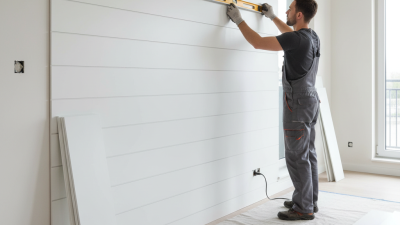
When installing PVC panels in bathrooms, proper preparation is key. Ensure the walls are clean and dry before you start. Take accurate measurements to determine how many panels you will need. Use a level to mark where the panels will go. This small detail can save you from a crooked installation.
For maintenance, regular cleaning is essential. Use mild soap and water to keep the panels looking fresh. Avoid harsh chemicals that can damage the surface. While PVC is resistant to moisture, corners and seams may need extra attention. Inspect these areas regularly for any signs of mold or mildew. Addressing issues early can prevent bigger problems later.
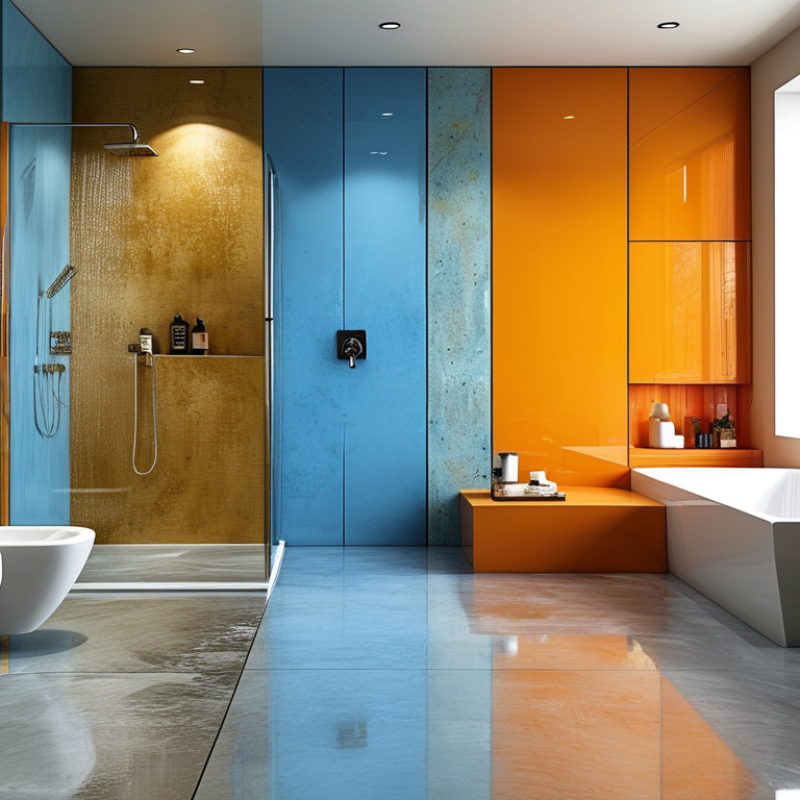
Consider the lighting in your bathroom when choosing panel colors. Lighter shades can make a small space feel larger. Darker colors, while elegant, can show water spots. Pay attention to the finish as well. Matte finishes hide imperfections, while glossy finishes reflect light beautifully. Finding the right balance is crucial for a pleasing aesthetic.