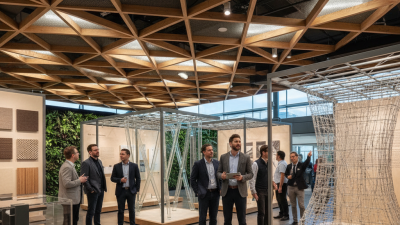
Why Choose a Suspension Grid for Your Next Project?
In the world of modern architecture and construction, the choice of materials and frameworks is crucial. A Suspension Grid stands out as an efficient solution for various projects. With its ability to support ceilings and accommodate utilities, it's gaining popularity among designers and builders alike. These grids offer versatility, allowing for creative layouts and seamless integration of lighting systems.
However, selecting a Suspension Grid requires careful consideration. Not all grids are created equal. Factors like material quality and load-bearing capacity are essential. A poorly chosen grid can lead to installation headaches. Crafting a reliable suspension system is vital for long-term durability.
The effectiveness of a Suspension Grid also depends on its application. It may be perfect for commercial spaces but not ideal for residential settings. Understanding your project needs can enhance functionality and aesthetics. In any case, evaluating options thoroughly will yield the best results, helping create spaces that impress and endure.

Benefits of Using Suspension Grids in Construction Projects
Suspension grids have become a vital choice for modern construction projects. They offer numerous benefits that enhance both functionality and aesthetics. One significant advantage is their ability to support various ceiling types. This flexibility allows architects to create unique design elements. Whether it's for acoustics or aesthetics, suspension grids can accommodate various materials and systems easily.
Another key benefit is their ease of installation. Using a suspension grid system can save considerable time during project execution. Contractors appreciate how quickly these grids can be assembled. This efficiency can shorten project timelines and reduce overall labor costs. On-site adjustments are also easier, allowing for last-minute changes without major setbacks.
However, it’s essential to consider potential issues. Improper installation can cause problems, like sagging or misalignment. Regular maintenance is necessary to ensure long-term functionality. Careful planning and skilled labor can mitigate these risks. Understanding the specific needs of a project is crucial when deciding on a suspension grid. By weighing both advantages and challenges, project teams can make informed choices for successful construction outcomes.
Types of Suspension Grids for Different Architectural Needs
Suspension grids are essential for many architectural projects. They support ceilings and provide flexibility for lighting and HVAC systems. Understanding the different types of suspension grids can enhance overall design and functionality.
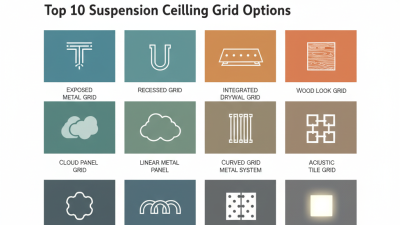
There are two main types of suspension grids: recessed and exposed. Recessed grids integrate seamlessly into the ceiling, providing a clean look. This style is often preferred in upscale commercial spaces. According to a recent industry report, 70% of architects favor this type for its aesthetic appeal. Exposed grids are more practical for utility spaces. They provide easy access for maintenance and adjustments. Many industrial buildings utilize this option.
Material choice also matters in suspension grids. Aluminum is lightweight and durable, ideal for buildings with stringent weight restrictions. Steel grids provide sturdiness for larger installations. However, they can be overkill in smaller spaces. Ultimately, the selection should reflect the needs of the specific project. Some designs may overlook these essential details, leading to issues later. It's vital to consult with experts to avoid pitfalls.
Installation Standards and Best Practices for Suspension Grids
When considering installation standards for suspension grids, proper planning is essential. The layout should accurately reflect the intended design. This includes determining load requirements and spacing. Grids must support ceiling tiles, light fixtures, and ductwork securely. A careless installation can lead to sagging or misalignment. Regular inspections during the process can help mitigate these issues.
Adhering to local building codes is crucial. Each region may have specific standards concerning weight limits and material use. Familiarity with these regulations fosters compliance and enhances safety. Collaboration with experienced professionals adds depth to the installation process. These experts can identify potential challenges that may not be immediately apparent.
Utilizing the right tools and materials is equally important. Quality components ensure longevity and reliability. However, it’s vital to assess whether the selected items are appropriate for the project requirements. Misjudgments can lead to costly adjustments later on. Reflecting on previous projects can offer valuable insights. Emphasizing ongoing education will help your team remain updated on best practices and new techniques.
Cost Efficiency of Suspension Grids Compared to Alternative Solutions
When considering a suspension grid for your next project, cost efficiency is a major factor. Suspension grids offer a flexible approach to ceiling design. They allow for easy access to utilities and insulation, which can save time and money during installation. Alternative solutions may require more labor hours, driving up costs. A well-planned suspension grid can minimize waste and reduce overall project expenses.
Efficiency extends beyond initial costs. Maintenance is crucial. Suspension grids facilitate access to wiring and ductwork. This access can reduce repair costs over time. Frequent maintenance may be a hidden expense in some construction methods.
When selecting a suspension grid, size matters. A lower grid height can improve aesthetics and functionality. Consider the layout and potential obstacles. It's important to prioritize practicality. A thoughtful design can yield better long-term results. Always reflect on your choices. Analyze whether upfront savings align with future demands and maintenance needs.
Impact of Suspension Grids on Acoustic and Aesthetic Performance
Suspension grids play a vital role in enhancing both acoustic and aesthetic performance in various projects. These systems allow for effective sound absorption, minimizing echoes and disruptions. The open space created by the grid permits sound waves to transfer more freely, leading to better auditory experiences in environments such as offices, schools, and auditoriums. An aesthetically pleasing design can also be achieved through various finishes and styles offered by suspension grids, blending functionality with visual appeal.
When selecting a suspension grid, consider the material used. Different options can affect sound absorption differently. Wood may offer warmth, while metal can bring a modern look. Think about how each material resonates with your project's overall theme. Choose colors that complement existing decor while ensuring the grid serves a practical purpose in sound management.
Keep in mind that installation can impact performance. Poorly aligned grids may create uneven acoustic effects, leading to frustration. Take your time to assess the layout carefully. Testing the space with sound measuring tools can reveal potential issues before finalizing the installation. Embrace the opportunity to enhance not only functionality but also the overall atmosphere of your space through thoughtful choices.
Why Choose a Suspension Grid for Your Next Project? - Impact of Suspension Grids on Acoustic and Aesthetic Performance
| Feature |
Impact on Acoustic Performance |
Impact on Aesthetic Performance |
Cost-Effectiveness |
| Material Quality |
High-quality materials enhance sound absorption. |
Aesthetic variety from premium finishes available. |
Higher initial cost, but long-term savings on maintenance. |
| Installation Flexibility |
Easier integration with acoustic panels and soundproofing. |
Allows creative designs with lighting and ceiling tiles. |
Can reduce labor costs due to faster installation. |
| Maintenance |
Low maintenance can preserve acoustic performance over time. |
Easy to clean and maintain aesthetic integrity. |
Cost-effective in the long run due to durability. |
| Design Options |
Choice of designs can optimize sound quality in various environments. |
Diverse choices can match any design theme. |
Variety in options allows for suitable budget planning. |