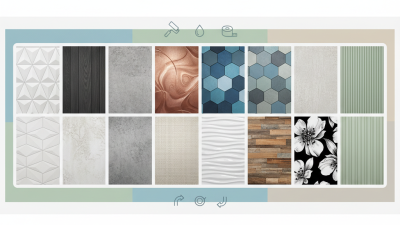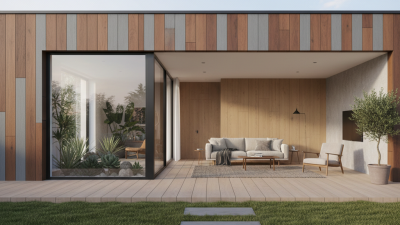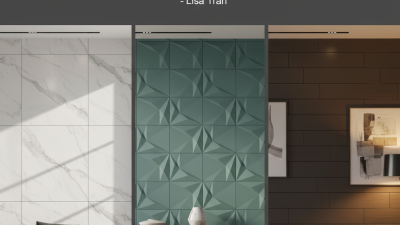
Choosing PVC Wall Cladding in 2026 requires more than comparing colors, textures, and prices. The right system must perform in real spaces, including kitchens, bathrooms, healthcare areas, retail interiors, and busy corridors. Moisture resistance matters. So do impact strength, cleanability, fire performance, and installation quality.
PVC Wall Cladding specialist Laura Bennett says, “A reliable wall system should survive cleaning, moisture, and daily impact—not only look attractive on installation day.” That practical view is useful when examining modern products. Check the panel thickness, surface coating, joint design, adhesive compatibility, and warranty terms. A glossy finish may brighten a narrow room, but it can expose scratches under strong lighting. A textured finish can hide marks, though it may demand more careful cleaning.
Sustainability also deserves closer attention. Ask whether the product contains recycled content, supports responsible manufacturing, and can be separated during refurbishment. Certifications should be verified, not assumed from attractive marketing language. Local building requirements may also influence acceptable fire ratings and installation methods.
There is no perfect panel.
A cheaper option may reduce initial spending, yet create higher maintenance costs later. I would not choose PVC Wall Cladding from photographs alone. Request physical samples. Test how fingerprints, disinfectants, and corner impacts appear on the surface. Review the supplier’s technical documents carefully. In 2026, confident selection means balancing appearance, performance, hygiene, environmental considerations, and honest long-term value.
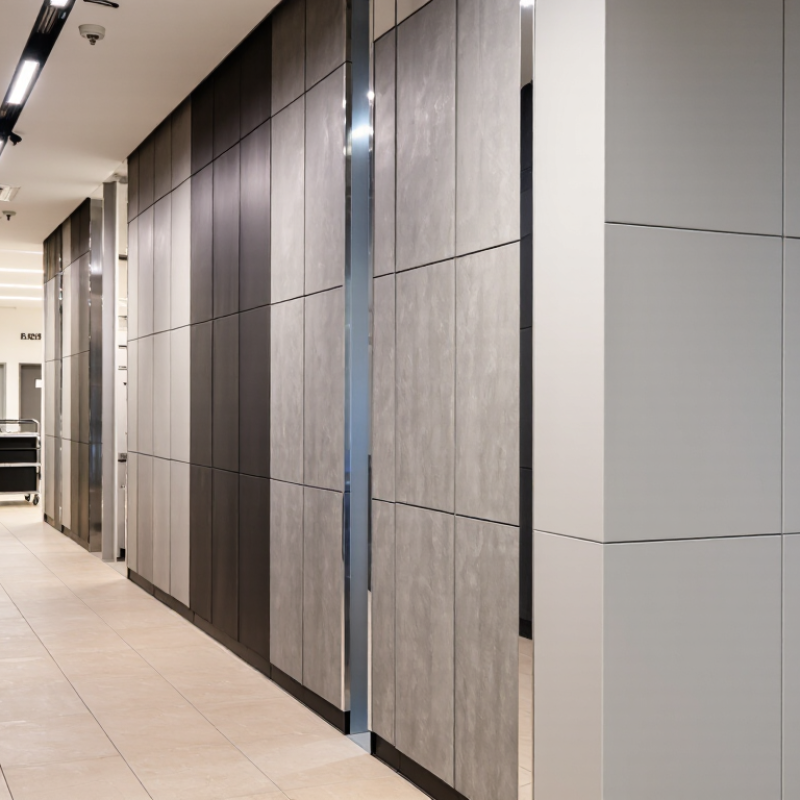
PVC wall cladding is a lightweight surface system made from polyvinyl chloride panels. It covers walls without the dust and drying time of traditional plaster. Many panels have a hollow or layered structure, a printed finish, and interlocking edges. Their smooth faces resist splashes, stains, and everyday cleaning. They are not completely maintenance-free.
In practical renovation work, PVC cladding is often used in bathrooms, kitchens, utility rooms, corridors, and commercial wash areas. It also appears in garages, storage spaces, and temporary interior projects. A damp bathroom wall can receive a brighter, cleaner-looking surface within a short installation period. However, the substrate must be reasonably sound and dry. Cladding cannot reliably hide serious leaks, movement, or crumbling masonry.
Choosing PVC wall cladding in 2026 requires more than comparing colors. Check the panel thickness, joint design, impact resistance, surface texture, and cleaning instructions. Confirm the product’s fire-performance documentation and suitability for the intended room. Local building requirements may differ, especially in public or high-occupancy spaces. Avoid placing ordinary panels near intense heat sources unless they are specifically rated for that use. I have seen attractive thin panels flex around uneven walls, creating visible shadows at the joints. That detail is easy to underestimate. A sample panel, installed under real lighting, often reveals more than a catalog image.
How to Choose PVC Wall Cladding in 2026?
Which PVC Wall Cladding Types Match Your Project?
PVC wall cladding is not one universal product. Select the type according to moisture, impact, cleaning routines, and installation conditions. Hollow-core panels suit bathrooms, utility rooms, and quick renovations because their channels reduce weight. Solid-core panels feel more robust in corridors, workshops, and busy commercial interiors. For wet areas, choose interlocking edges and sealed joints. A small gap around pipes can become a serious maintenance problem.
Printed or laminated surfaces offer stronger visual control, including stone, tile, and wood effects. Embossed textures can hide light scratches, but deep grooves may collect dirt. Smooth panels clean faster. Antimicrobial claims require careful verification through independent test reports, not only product brochures. Check thickness, impact resistance, surface treatment, and compatibility with adhesives. Fire performance must match local building requirements; PVC should never be selected from appearance alone.
Grand View Research valued the global PVC market at approximately 45.78 billion dollars in 2023 and projected continued growth through 2030. That growth increases product choice, but not necessarily product quality. The UNEP 2023 Global Status Report found that buildings and construction created about 37% of global energy-related emissions. Lightweight cladding may reduce transport effort, yet its full environmental value depends on service life and disposal. I would request batch samples and inspect cut edges before ordering. Samples can look perfect. Installation rarely is.
| PVC Wall Cladding Type | Typical Thickness | Common Surface Finish | Moisture and Cleaning Performance | Typical Installation Method | Best-Fit Project Areas | Key Selection Considerations |
|---|---|---|---|---|---|---|
| Hollow-Core PVC Panels | 5–10 mm | Smooth Wood-look Marble-look | Water-resistant and easy to wipe. Seams and perimeter edges should be sealed in wet areas. | Adhesive, screws, or installation over battens; tongue-and-groove joints are common. | Bathrooms, utility rooms, ceilings, retail interiors, and fast refurbishment projects. | Lightweight and economical, but less impact-resistant than solid-core panels. Provide adequate support for wall-mounted loads. |
| Solid PVC Panels | 2–6 mm | Plain color Gloss Matte | Non-porous surface supports frequent cleaning when joints, trims, and penetrations are correctly sealed. | Adhesive fixing, mechanical fasteners, or concealed fixing systems on a flat substrate. | Corridors, kitchens, washrooms, healthcare support areas, and commercial wall protection. | Offers a more uniform structure and better resistance to dents than hollow panels. Check substrate flatness before installation. |
| PVC Hygienic Wall Panels | 2–3 mm | Low-gloss Seam-minimized Light colors | Designed for regular washing. Heat-welded or sealed joints can reduce dirt and moisture entry. | Full-surface adhesive installation with sealed trims and hygienic joint details. | Food preparation areas, commercial kitchens, clinics, laboratories, changing rooms, and sanitation zones. | Select products with documented chemical-resistance and cleanability data for the detergents and disinfectants used on site. |
| PVC Laminate-Faced Panels | 5–10 mm | Stone-look Timber-look Decorative print | Good surface moisture resistance; protect cut edges and joints from prolonged water exposure. | Adhesive or mechanical fixing, usually with matching trims and corner profiles. | Hotels, restaurants, offices, reception areas, residential feature walls, and retail spaces. | Provides more decorative choices. Confirm color consistency, scratch resistance, and whether the finish can tolerate the planned cleaning method. |
| Embossed or 3D PVC Panels | 3–8 mm | Textured Grooved Raised pattern | Generally moisture-resistant, but deep textures may collect dust and require more detailed cleaning. | Adhesive fixing on a smooth, dry, and sound surface; mechanical fixing may be used for heavier profiles. | Feature walls, hospitality interiors, showrooms, entertainment spaces, and low-abrasion areas. | Prioritize appearance and acoustic or visual effects. Avoid highly textured profiles where strict hygienic cleaning is required. |
| PVC Ceiling and Soffit Panels | 5–10 mm | Narrow strip Tongue-and-groove Wood-look | Suitable for humid interiors when ventilation and joint detailing are adequate. | Fixed to battens or a framing system with clips, screws, or concealed fasteners. | Bathrooms, covered balconies, eaves, laundry rooms, and service corridors. | Allow for ventilation, movement, access panels, and lighting penetrations. Verify suitability for the intended temperature range. |
| Rigid PVC Wall Protection Sheets | 1.5–3 mm | Smooth Impact-resistant Solid color | Non-porous and easy to clean, with sealed joints recommended where water or contaminants may be present. | Adhesive, mechanical fixing, or a rail-based system depending on panel size and impact requirements. | Loading areas, corridors, schools, hospitals, warehouses, and high-traffic commercial interiors. | Focus on impact resistance, cleanability, repairability, and compatible trims. Confirm the required height of wall protection. |
Selection note: Dimensions and performance ranges are typical market values and can vary by product construction. Always verify the manufacturer’s technical data, local building regulations, fire classification, chemical-resistance information, and installation requirements before specifying a PVC wall cladding system.
How to Choose PVC Wall Cladding in 2026?
How to Evaluate Quality, Safety, and Durability
A reliable PVC wall cladding panel should feel firm, not unusually light or brittle. Check the edges for clean cuts, even thickness, and consistent color. Press the surface gently. Quality panels resist denting and recover without visible marks. Request a sample before ordering. Examine it under daylight and warm indoor lighting, because uneven color can appear later. In renovation work, I have seen attractive panels hide weak locking joints. Appearance alone can mislead.
Safety needs more than a general product description. Ask for test documentation covering fire behavior, emissions, and material composition. Low-emission products are preferable in bedrooms, schools, and poorly ventilated rooms. The surface should also tolerate routine cleaning without releasing flakes or strong odors. Confirm that the panel suits the intended wall and local building requirements. Never assume every PVC product performs the same way.
Durability depends on moisture, sunlight, impact, and installation quality. For bathrooms, inspect the joint design and use compatible sealing materials around corners and penetrations. In sunny rooms, ask about color stability and ultraviolet exposure. Leave suitable expansion space, especially where temperatures change sharply. A panel can be durable, yet fail after careless installation. I have made that mistake myself by trusting a tight fit too much. Scratches, warped sections, and open joints usually appear months later, not during installation. Keep spare panels from the same production batch for future repairs.
This 100-point evaluation framework prioritizes fire performance, product conformity, moisture resistance, impact resistance, UV stability, and practical maintenance. The percentages are a transparent buyer-planning model, not a certification score.
Before purchase, request documented test results for fire classification, water or moisture resistance, impact performance, dimensional stability, and color retention. Check that the evidence applies to the exact panel, thickness, surface finish, and installation system.
Choosing PVC wall cladding in 2026 starts with the room, not the catalogue. A bathroom needs sealed joints, low water absorption, and surfaces that tolerate repeated cleaning. A busy corridor needs impact resistance and color stability. For offices, texture and acoustic backing may matter more than glossy appearance. Samples reveal more than screen images. Hold one beside a window and under warm lighting. Small color shifts can change the entire wall.
Compare designs by measuring panel width, repeat patterns, trims, and access around sockets. A large marble pattern may look impressive but create awkward waste at corners. Plain panels usually simplify repairs. Request a written quote separating panels, trims, adhesive, delivery, labor, and waste. Cheap panels can become expensive when brittle edges cause rework. In my experience, allowing five to ten percent extra material is sensible, but room geometry can alter that figure. That assumption deserves checking. Also review moisture, cleaning, and fire-performance documentation before payment.
Installation needs deserve equal attention. Before ordering, inspect whether walls are flat, dry, clean, and structurally sound. Uneven masonry may require battens or preparation, adding time and cost. Ask installers how they treat corners, movement gaps, pipe penetrations, and ventilation. Use compatible adhesive and follow curing instructions. Do not hide poor preparation. Photograph the substrate before covering it, and keep product data with maintenance records. Leave spare panels labeled in a dry storage area.
How to Choose PVC Wall Cladding in 2026?
Selecting, installing, and maintaining PVC wall cladding begins with the room’s actual conditions. Measure each wall, including door openings and corners. Check for dampness, loose plaster, mold, and uneven surfaces before ordering panels. PVC works well in many kitchens, bathrooms, utility rooms, and commercial interiors. However, high-heat areas may require specially rated materials. Always review the product’s fire, moisture, and temperature information. Local building requirements still matter.
Preparation affects the final appearance more than most people expect. Clean the wall thoroughly and allow it to dry. Repair major cracks and remove dust from the surface. Use suitable adhesive or framing methods recommended for the panel type. Leave small expansion gaps around edges, pipes, and corners. Cut panels with a fine-tooth saw, then test each piece before fixing it. Wear eye protection. My early mistake was rushing the first corner, which created a visible alignment problem across the wall.
Maintenance is simple but not careless. Wipe the surface with warm water and mild soap using a soft cloth. Avoid abrasive pads, harsh solvents, and sharp tools. Inspect joints and sealant every few months, especially near sinks and showers. Replace damaged sealant quickly. If a panel moves, smells damp, or shows staining behind the seam, investigate the wall cavity rather than covering the symptom. Keep spare panels from the same batch when possible. Colors can vary slightly between production runs.