How to Install PVC Wall Board for Your Home?
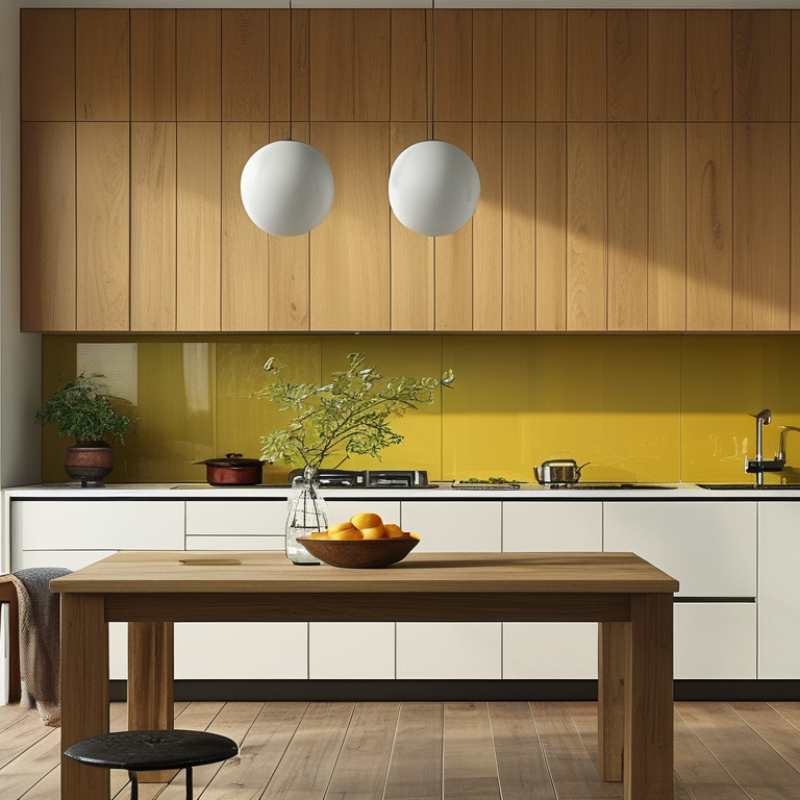
When considering a home renovation, the choice of wall materials is critical. PVC wall board installation offers a practical solution. According to John Smith, a leading expert in home improvement, "PVC wall boards provide durability and style for any space." This statement highlights the growing trend of using PVC for interior design.
PVC wall boards are lightweight and easy to handle. They can transform any room without extensive labor. Many homeowners appreciate their water-resistant qualities, making them suitable for kitchens and bathrooms. However, some may struggle with achieving a seamless look, which requires careful installation. It is essential to choose high-quality boards for the best results.
During PVC wall board installation, precision matters. Misalignments or gaps can detract from the overall aesthetics. Homeowners must pay attention to detail and measure accurately. Though installation can seem straightforward, it often presents unforeseen challenges. Learning from these experiences can help future projects run more smoothly.
Understanding PVC Wall Board: Benefits and Types Overview
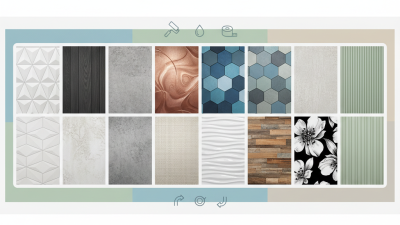
When considering wall coverings, PVC wall boards are an increasingly popular choice. They offer many benefits, including ease of installation and maintenance. PVC is water-resistant, making it ideal for areas exposed to moisture, like bathrooms and kitchens. It is also durable, resisting wear from impacts and spills. The vibrant colors and patterns available can enhance the look of any room.
There are different types of PVC wall boards to choose from. Some mimic the appearance of wood, adding warmth to a space. Others come in sleek, modern designs that fit contemporary aesthetics. Installing them can be straightforward. However, you should check for proper alignment and fit during installation. If the edges don’t line up, it can lead to an uneven appearance.
Understanding the types and benefits of PVC wall boards is crucial. Thoughtful selection can enhance your home decor significantly. Still, missteps during installation can diminish their advantages. It’s essential to approach the installation process with care and attention to detail.
How to Install PVC Wall Board for Your Home? - Understanding PVC Wall Board: Benefits and Types Overview
| Feature |
Description |
Benefits |
Types |
| Durability |
Resistance to moisture, stains, and corrosion. |
Long-lasting without the need for frequent replacements. |
General purpose, moisture-resistant. |
| Aesthetic Appeal |
Available in various colors, patterns, and finishes. |
Enhances the visual appeal of any room. |
Textured, glossy, matte. |
| Installation |
Easy to cut and install with basic tools. |
Saves time and labor costs. |
Interlocking, tongue-and-groove, adhesive. |
| Maintenance |
Requires minimal cleaning and upkeep. |
Cost-effective in the long run. |
PVC panels, foam boards. |
| Environmental Impact |
Often recyclable and made from sustainable materials. |
Lower carbon footprint compared to traditional materials. |
Recycled PVC, virgin PVC. |
Essential Tools and Materials for Installing PVC Wall Board
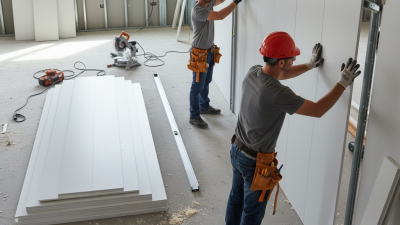
Installing PVC wall boards can be a straightforward task if you have the right tools and materials. Begin with essential items like a measuring tape, level, and utility knife. A power drill is necessary for securing the boards to the wall. Make sure to have a good quality adhesive or construction glue as well. These materials are crucial for achieving a clean and professional finish.
Consider also having safety gear on hand. Safety goggles and gloves protect you during the installation process. It’s important to stay safe while handling sharp tools or heavy materials. Gathering everything before starting saves time. You might realize you forgot something midway through, which can be frustrating.
When measuring your walls, take your time. Accuracy is vital; mistakes can lead to wasted materials. If the boards don’t fit well, it complicates the installation. Also, sometimes the board edges might not align perfectly. Being ready to troubleshoot is part of the process. Embrace small imperfections; they can contribute to the character of your home.
Installation Difficulty of PVC Wall Board vs. Tools Required
Step-by-Step Installation Procedure for PVC Wall Board
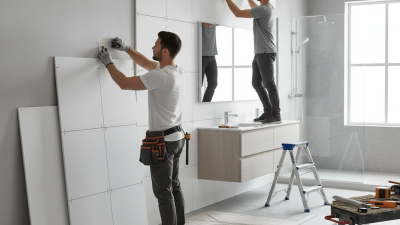
Installing PVC wall board can enhance your home’s aesthetics while providing durability. To begin, gather your tools: a power saw, measuring tape, level, and adhesive. Measure your wall space accurately. Cut the PVC panels to fit snugly into the designated area. This precision is crucial for a neat finish.
When you apply the adhesive, ensure even coverage on both the wall and the back of the panel. Press the panel firmly into place and use a level to check alignment. For the best results, allow the adhesive to cure properly before applying any additional panels. According to a recent industry report, the installation of PVC wall boards can reduce maintenance costs by approximately 30% over time when compared to traditional materials.
Tip: If you're working in a humid area like a bathroom, consider using a PVC wall board that has a higher resistance to moisture.
Patience is key during installation. Avoid rushing, as errors in measurement or alignment can lead to costly rework. Once installed, seal the edges with caulk for a polished look. This step will also prevent moisture intrusion, ensuring longevity. Remember to evaluate your work periodically to ensure all panels are securely fixed and aligned.
Best Practices for Finishing and Maintaining PVC Wall Board
When it comes to installing PVC wall boards, understanding proper maintenance is crucial. Research indicates that improper care can reduce the lifespan of these boards by up to 30%. Regular cleaning with a mild detergent is recommended, as harsh chemicals can lead to discoloration or damage. It's essential to avoid abrasive tools during cleaning to maintain the surface finish.
Another key aspect of maintenance involves checking for any signs of moisture or mold. PVC is resistant to water, but gaps or poor installation can create vulnerabilities. Homeowners should inspect seams and joints biannually. Reports suggest that homes with regular inspections can prevent mold growth in over 70% of cases.
Finishing touches also matter significantly. While PVC boards come in various textures and colors, a consistent look enhances aesthetic appeal. Applying a sealant can help preserve the board’s integrity and appearance. Experts advocate this step, claiming it can increase durability by 15-25%. Even though these boards are low-maintenance, overlooking these details can substantially affect their long-term performance.
Cost Analysis: Comparing PVC Wall Board to Traditional Wall Options
Installing PVC wall boards can be an attractive option for homeowners, but evaluating costs is crucial. A recent industry report indicates that PVC wall boards can cost between $2 to $7 per square foot, compared to traditional materials like drywall, which usually runs from $1.50 to $3 per square foot. This suggests that while PVC may have a higher upfront cost, its durability can save money in the long run.
Moreover, PVC wall boards are resistant to moisture and mold. This factor can reduce the frequency and costs of maintenance and repairs. Studies show that traditional walls can incur additional costs from mold remediation and repainting every few years. Installation time for PVC boards is also less cumbersome, typically requiring fewer labor hours than drywall installations. Given that labor can account for up to 30% of total costs, the efficiency of PVC installation is financially significant.
However, not all homes may benefit equally from PVC wall boards. In homes with existing structural damage, repairs could offset any savings. Moreover, the aesthetic appeal of traditional materials can still make them irresistible. Therefore, homeowners should weigh these factors and potentially consult a contractor before making a final decision.